


Flatfish Species
Explore UK flatfish species, including identification, shore-caught records, average sizes and the latest fishing regulations.Flatfish are recognised by their flattened bodies, fins running along their edges and both eyes positioned on one side of the head. Species are classified as either right-eyed or left-eyed, depending on their eye position.
This guide covers the most common flatfish species found around the UK coastline. Rarer deep-water species are unlikely to be encountered by shore anglers.
Although skates and rays have a similar flattened appearance, they are more closely related to sharks and are not true flatfish.
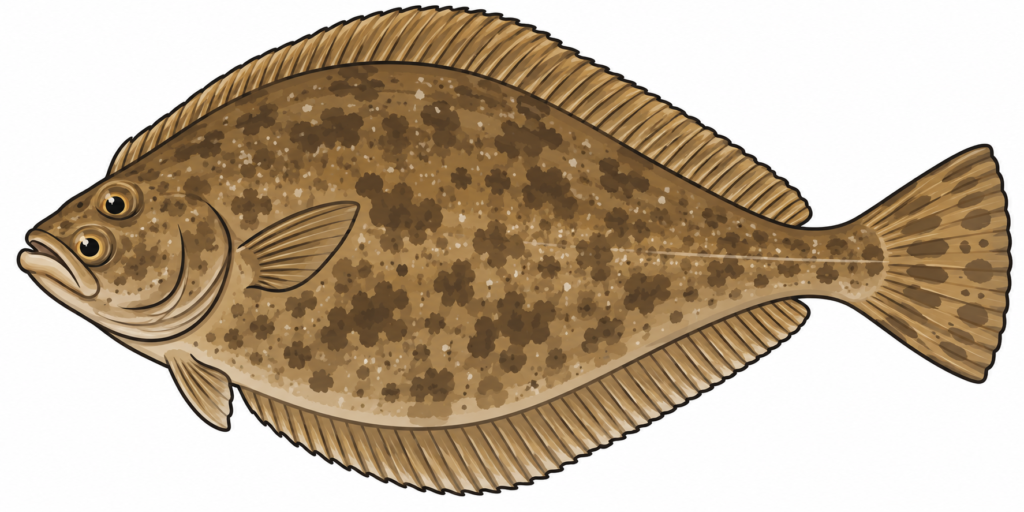
Brill
(Scophthalmus rhombus)
Average weight: 1–3 lb, with larger specimens of 5–8 lb or more occasionally caught.
Also known as: European Brill, Pearl Brill.
Peak seasons typically caught: April to October, with May to September generally offering the best shore fishing opportunities, particularly along sandy beaches, shingle banks and mixed-ground marks around the southern and western coasts of the UK.
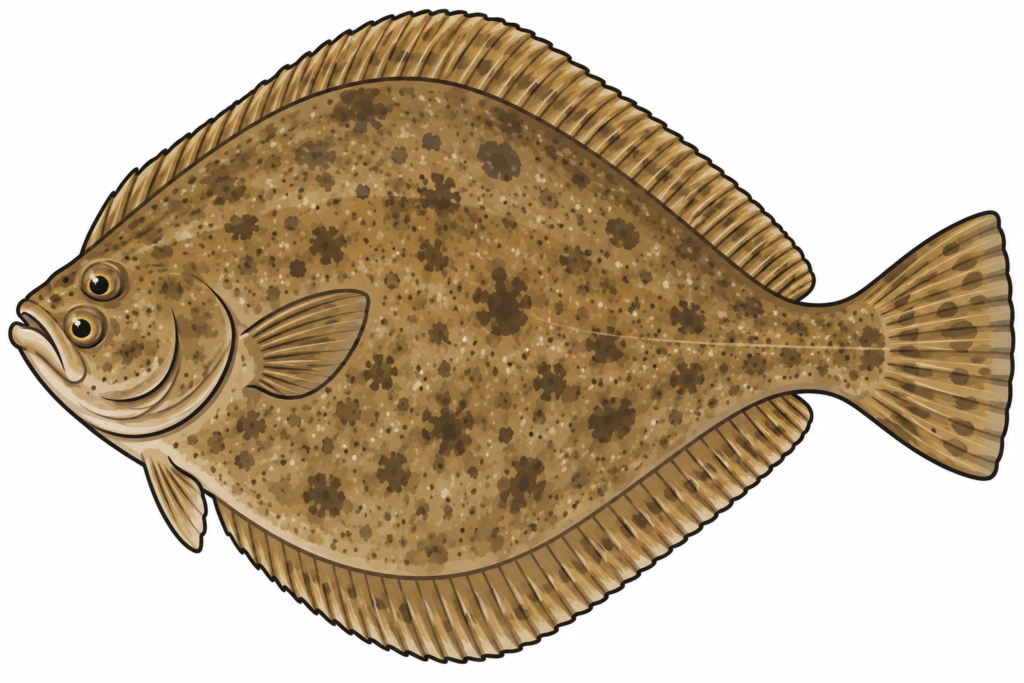
Turbot
(Scophthalmus maximus)
Average weight: 1–4 lb, with larger specimens of 5–10 lb or more occasionally caught.
Also known as: European Turbot, Common Turbot.
Peak seasons typically caught: April to October, with May to September generally offering the best shore fishing opportunities, particularly along sandy beaches, shingle banks and clean-ground marks around the southern and western coasts of the UK.
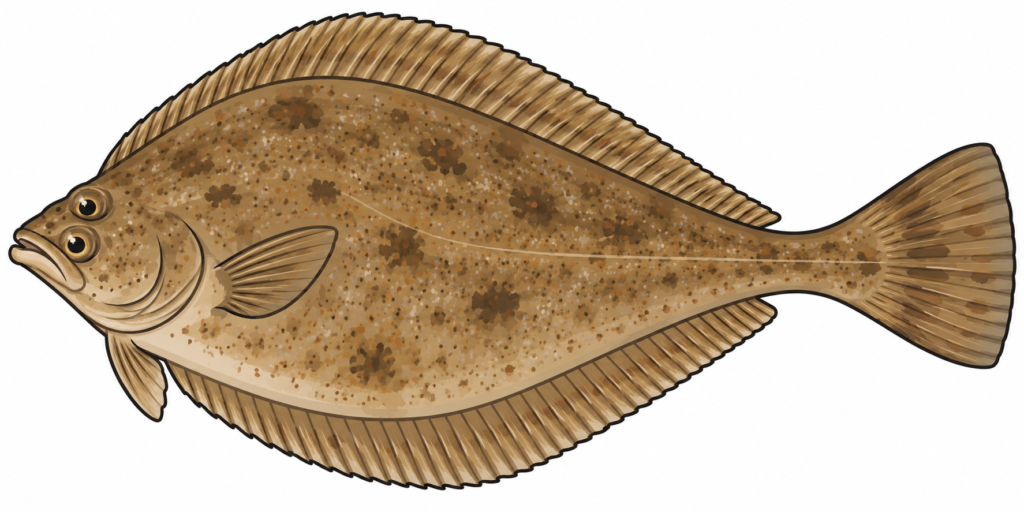
Dab
(Limanda limanda)
Average weight: ¼–¾ lb, with larger specimens of 1–1½ lb occasionally caught.
Also known as: Common Dab, European Dab.
Peak seasons typically caught: October to March, with November to February generally offering the best shore fishing opportunities, particularly along sandy beaches, estuaries and clean-ground marks around the UK coastline.
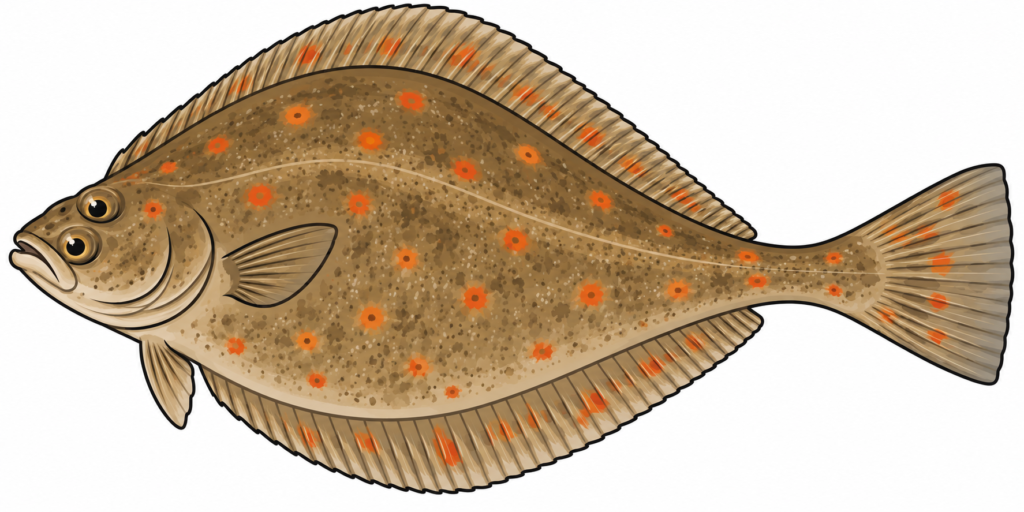
Plaice
(Pleuronectes platessa)
Average weight: ½–2 lb, with larger specimens of 3–5 lb or more occasionally caught.
Also known as: European Plaice, Common Plaice.
Peak seasons typically caught: March to October, with April to June and September to October generally offering the best shore fishing opportunities, particularly along sandy beaches, shingle banks and clean-ground marks around the UK coastline.
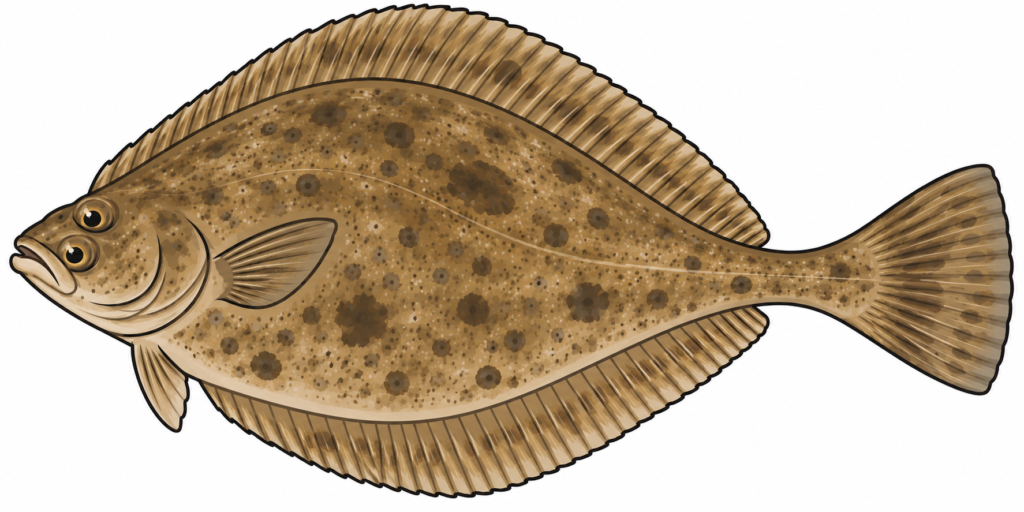
Flounder
(Platichthys flesus)
Average weight: ½–2 lb, with larger specimens of 3–4 lb occasionally caught.
Also known as: European Flounder, Common Flounder, Fluke, Flounder Dab.
Peak seasons typically caught: October to March, with November to February generally offering the best shore fishing opportunities, particularly around estuaries, tidal rivers, muddy creeks and sheltered coastal waters throughout the UK.
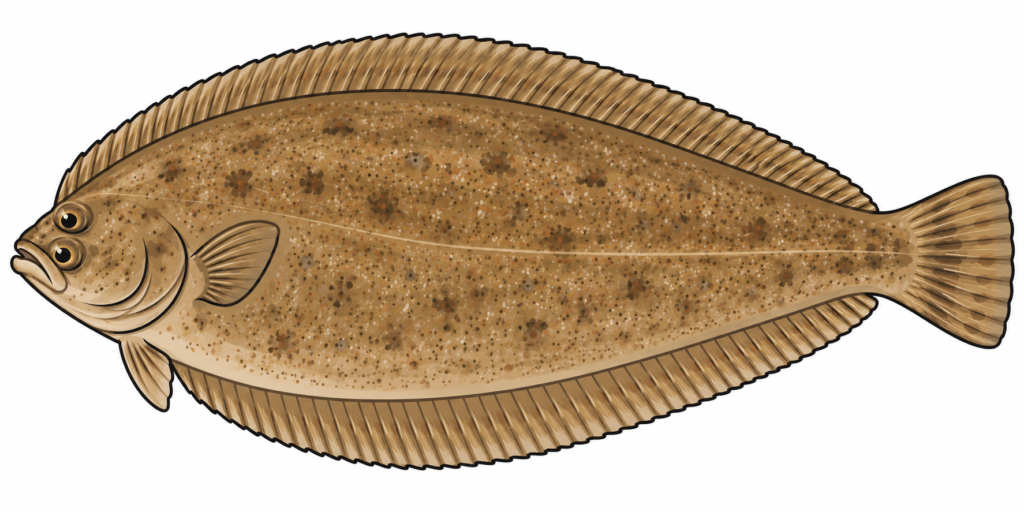
Sole
(Solea solea)
Average weight: ½–2 lb, with larger specimens of 3–4 lb occasionally caught.
Also known as: Dover Sole, Common Sole, Black Sole.
Peak seasons typically caught: May to October, with June to September generally offering the best shore fishing opportunities, particularly along sandy and muddy beaches, estuaries and sheltered coastal waters around the southern and eastern coasts of the UK.
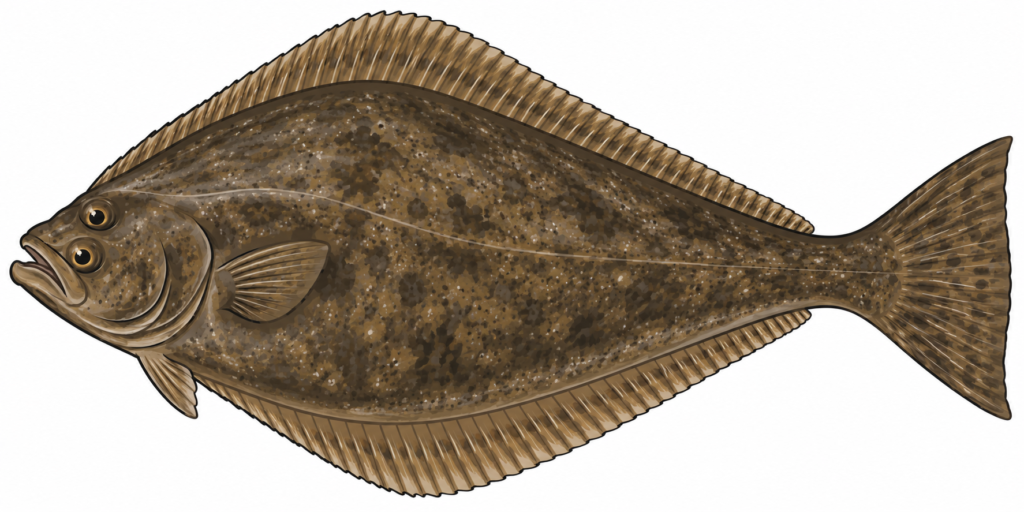
Halibut
(Hippoglossus hippoglossus)
Average weight: No reliable average due to the extreme rarity of shore catches. Halibut can exceed 100 lb, although specimens of this size are exceptionally rare in UK waters.
Also known as: Atlantic Halibut, Common Halibut, White Halibut.
Peak seasons typically caught: No established UK shore fishing season. Halibut are occasionally encountered in northern Scottish waters, with May to September generally offering better opportunities, although they are predominantly caught by boat anglers in deep offshore waters.