


Shark Species
Explore UK shark species, including identification, shore-caught records, average sizes, habitats and the latest fishing regulations.Sharks are recognised by their streamlined bodies, prominent dorsal fins and multiple gill slits located along the sides of their heads. Unlike most fish, sharks have skeletons made of cartilage rather than bone and belong to the same group of fish as rays and skates.
This guide covers some of the most commonly encountered shark species found around the UK coastline, including smoothhounds, lesser-spotted catsharks (commonly known as dogfish), tope and bull huss. These species inhabit sandy, rocky and mixed seabeds, with several regularly caught by shore anglers.
Larger shark species, such as porbeagles, blue sharks and basking sharks, are generally found further offshore and are rarely encountered by recreational shore anglers.
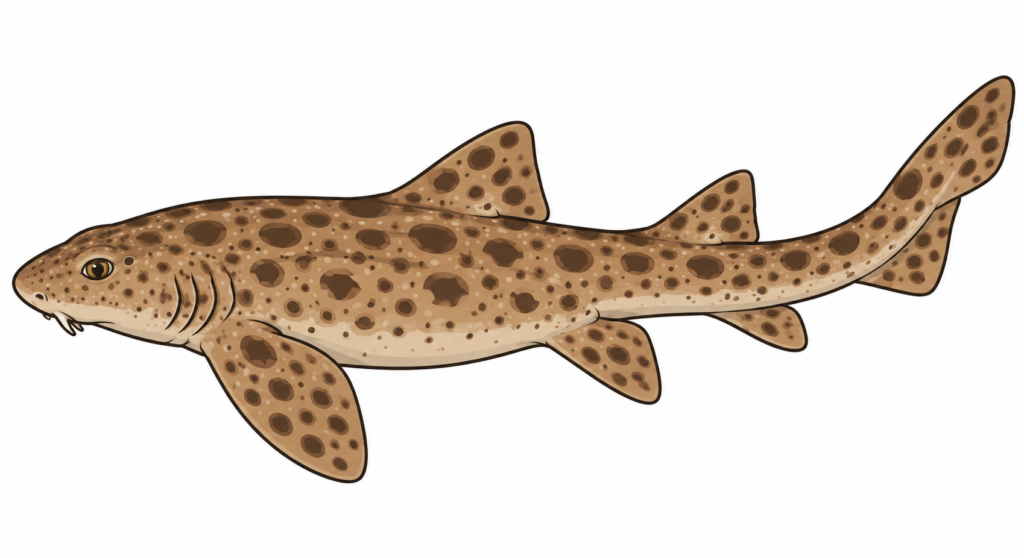
Nursehound (Bull Huss)
(Scyliorhinus stellaris)
Average weight: 5–10 lb, with larger specimens of 12–15 lb or more occasionally caught.
Also known as: Bull Huss, Greater Spotted Dogfish, Large-Spotted Catshark, Nursehound.
Peak seasons typically caught: April to October, with May to September generally offering the best shore fishing opportunities, particularly around rocky shorelines, reefs, kelp beds and mixed-ground marks along the southern and western coasts of the UK.
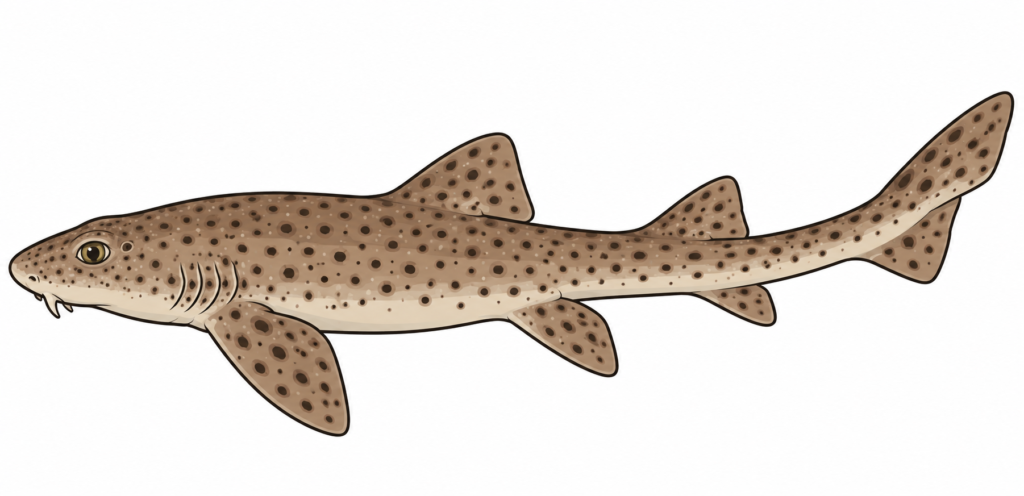
Small-spotted catshark (Dogfish)
(Scyliorhinus canicula)
Average weight: 1–3 lb, with larger specimens of 4–5 lb occasionally caught.
Also known as: Lesser-Spotted Dogfish, Lesser-Spotted Catshark, Dogfish, LSD, Rough Hound.
Peak seasons typically caught: Year-round, with April to October generally offering the best shore fishing opportunities, particularly around sandy beaches, rocky marks, reefs and mixed-ground areas along the southern and western coasts of the UK.
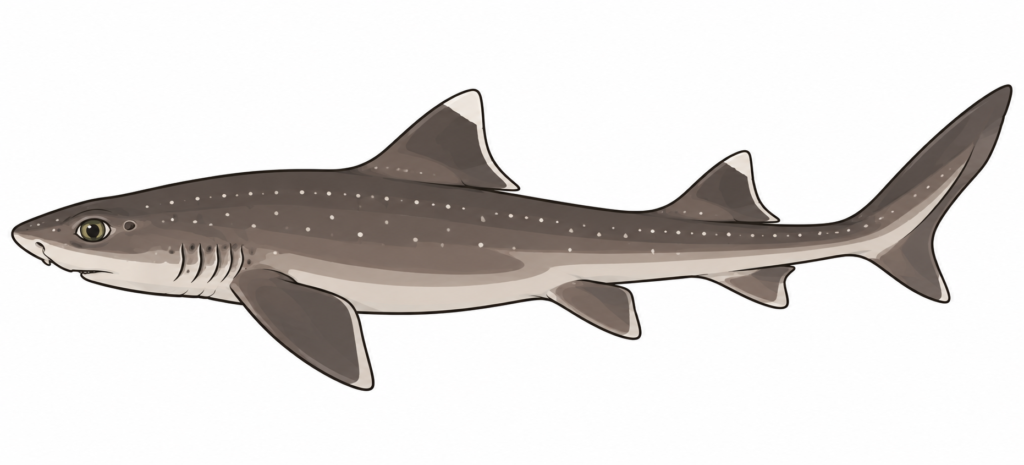
Spurdog
(Squalus acanthias)
Average weight: 4–10 lb, with larger specimens of 12–15 lb or more occasionally caught.
Also known as: Spiny Dogfish, Spur Dog, Piked Dogfish, Spiny Dog.
Peak seasons typically caught: October to March, with November to February generally offering the best shore fishing opportunities, particularly around deep-water rock marks and coastal waters along the western and northern coasts of Scotland, Wales and northwest England.
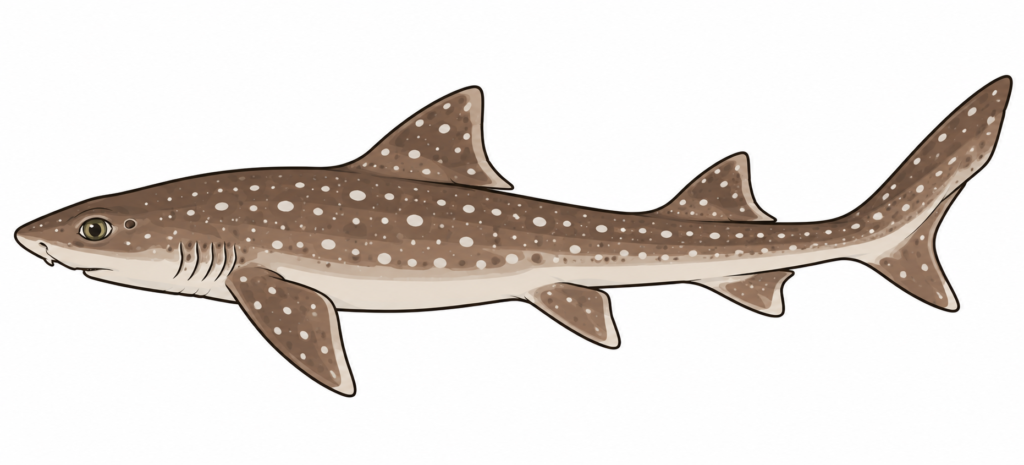
Starry smooth-hound
(Mustelus asterias)
Average weight: 5–10 lb, with larger specimens of 15–20 lb or more occasionally caught.
Also known as: Starry Smoothhound, Smooth-Hound, Smoothie, Starry Hound.
Peak seasons typically caught: May to October, with June to September generally offering the best shore fishing opportunities, particularly along sandy beaches, shingle banks and mixed-ground marks around the southern and eastern coasts of the UK.
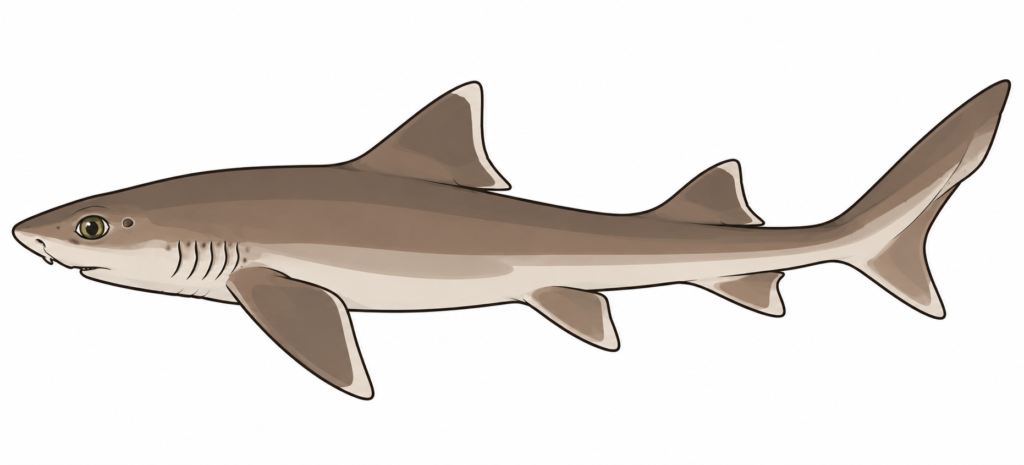
Tope
(Galeorhinus galeus)
Average weight: 15–35 lb, with larger specimens of 40–60 lb or more occasionally caught.
Also known as: School Shark, Snapper Shark, Soupfin Shark, Penny Dog.
Peak seasons typically caught: May to October, with June to September generally offering the best shore fishing opportunities, particularly along sandy beaches, deep-water rock marks and coastal waters around Wales, Scotland and southwest England.