


UK Sea Fish Species Guide
Discover the most commonly caught UK sea fish species with our comprehensive identification guide. Explore round fish, flatfish, sharks and rays found around the British coastline, including identifying features, average weights, peak fishing seasons, shore-caught records and fishing regulations.
Whether you’re a beginner or an experienced sea angler, learn how to identify different species, understand their preferred habitats and discover useful information to help you plan your next fishing trip.
Round Fish Species
Explore UK round fish species, including identification, shore-caught records, average sizes and the latest fishing regulations.Round fish are what most people picture when they think of a typical fish. They have a rounded body that gradually tapers towards the tail, usually with a broad head and clearly defined gills. Familiar species such as cod, haddock and bass are all examples of round fish.
Many round fish species inhabit the relatively shallow coastal waters surrounding the UK, making them popular targets for sea anglers fishing from beaches, piers, rocks and boats. However, not all round fish are found close to shore. Some species, including haddock and ling, generally prefer deeper offshore waters and are therefore less frequently encountered by shore anglers.
With such a wide variety of round fish found in British waters, understanding their identifying features, preferred habitats and feeding habits can help you recognise different species and improve your chances of catching them.
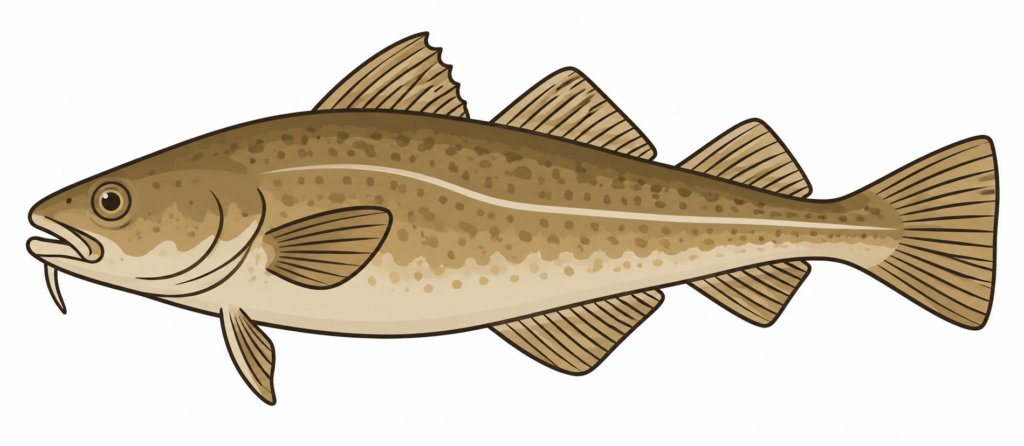
Cod
(Gadus morhua)
Average weight: 2–11 lb, with larger specimens occasionally caught.
Also known as: Atlantic Cod, Codling (smaller, immature cod).
Peak seasons typically caught: October to March, with November to February generally offering the best shore fishing opportunities. Seasonal patterns vary around the UK coastline.
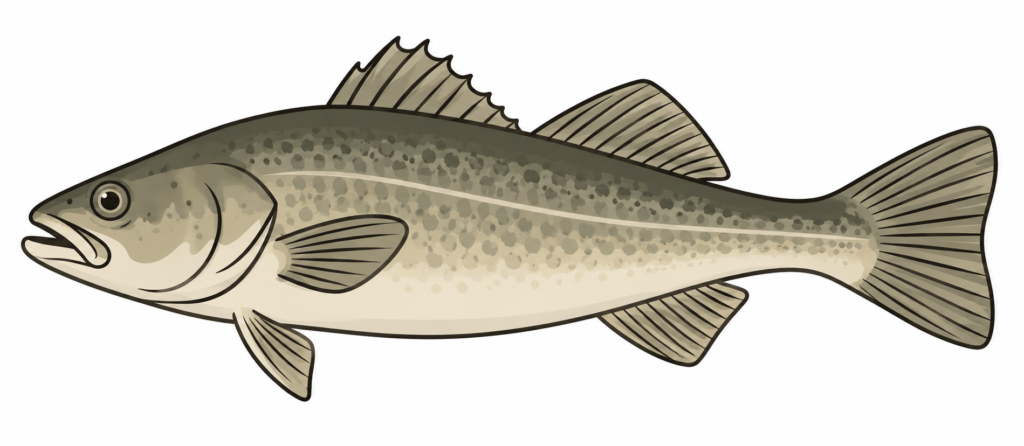
Bass
(Dicentrarchus labrax)
Average weight: 1–5 lb, with larger specimens of 8–12 lb or more occasionally caught.
Also known as: European Sea Bass, Sea Bass, School Bass (smaller, immature bass).
Peak seasons typically caught: May to October, with June to September generally offering the best shore fishing opportunities. Seasonal patterns vary around the UK coastline.
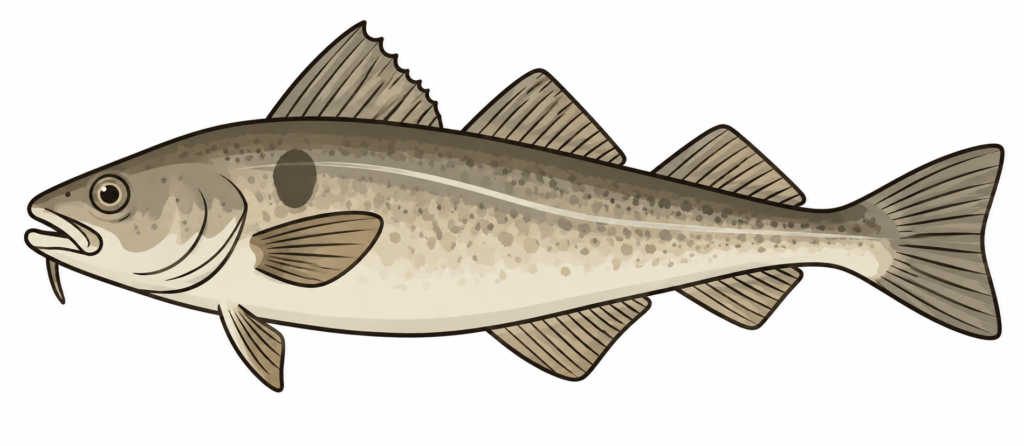
Haddock
(Melanogrammus aeglefinus)
Average weight: 1–3 lb, with larger specimens of 5–8 lb occasionally caught.
Also known as: Atlantic Haddock, Haddie.
Peak seasons typically caught: October to March, with November to February generally offering the best opportunities. Haddock are rarely caught from the shore in most parts of the UK, as they tend to favour deeper offshore waters.
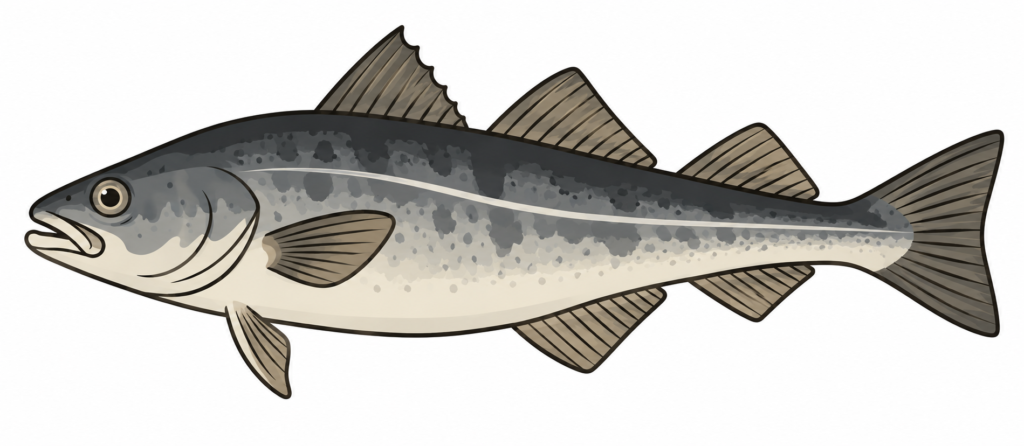
Coalfish
(Pollachius virens)
Average weight: 1–4 lb, with larger specimens of 8–10 lb or more occasionally caught.
Also known as: Coley, Saithe, Billet, Black Pollock.
Peak seasons typically caught: May to November, with June to October generally offering the best shore fishing opportunities, particularly around Scotland and northern England.
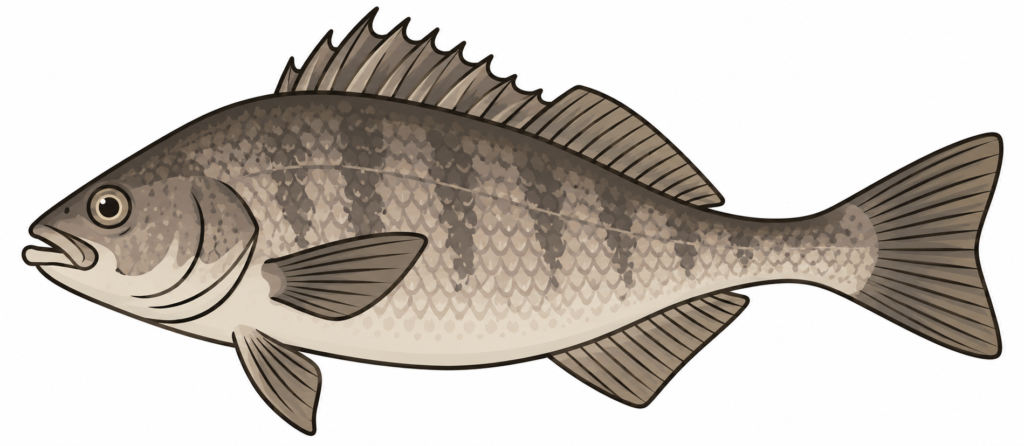
Black Bream
(Spondyliosoma cantharus)
Average weight: 1–3 lb, with larger specimens of 4–5 lb occasionally caught.
Also known as: Black Sea Bream, Porgy.
Peak seasons typically caught: May to October, with June to September generally offering the best shore fishing opportunities, particularly along the southern coast of England.
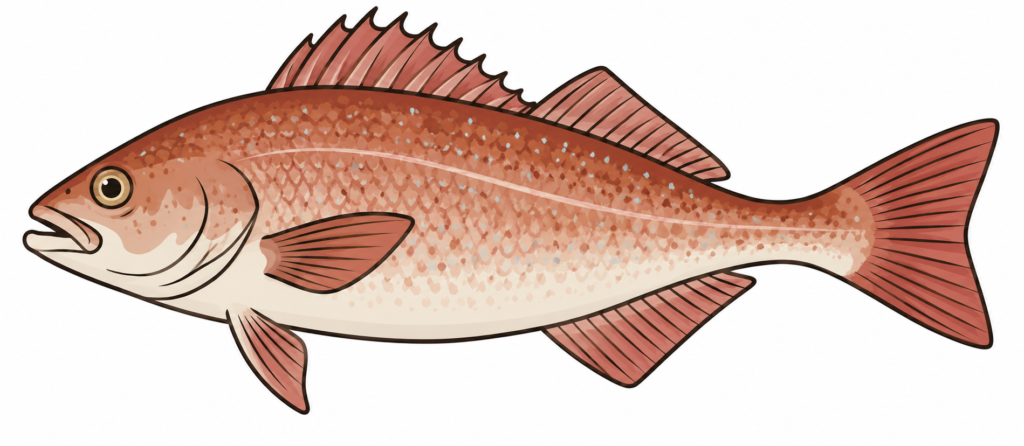
Red Bream
(Pagellus bogaraveo)
Average weight: 1–3 lb, with larger specimens of 4–6 lb occasionally caught.
Also known as: Blackspot Sea Bream, Blackspot Bream, Red Sea Bream.
Peak seasons typically caught: June to October, with July to September generally offering the best opportunities. Red bream are rarely caught from the UK shoreline, as they typically inhabit deeper offshore waters.
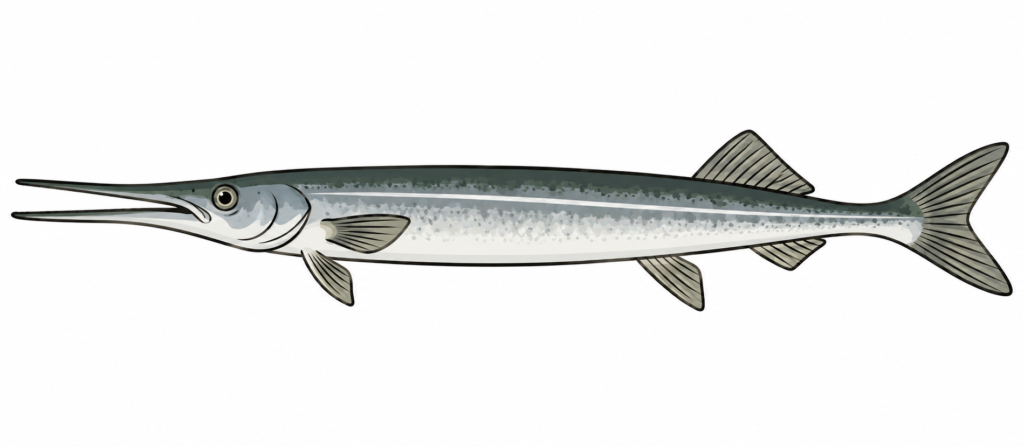
Garfish
(Belone belone)
Average weight: ½–1½ lb, with larger specimens occasionally reaching 2–3 lb.
Also known as: Gar, Garpike, Needlefish, Sea Needle.
Peak seasons typically caught: May to October, with June to September generally offering the best shore fishing opportunities, particularly along the southern and western coasts of the UK.
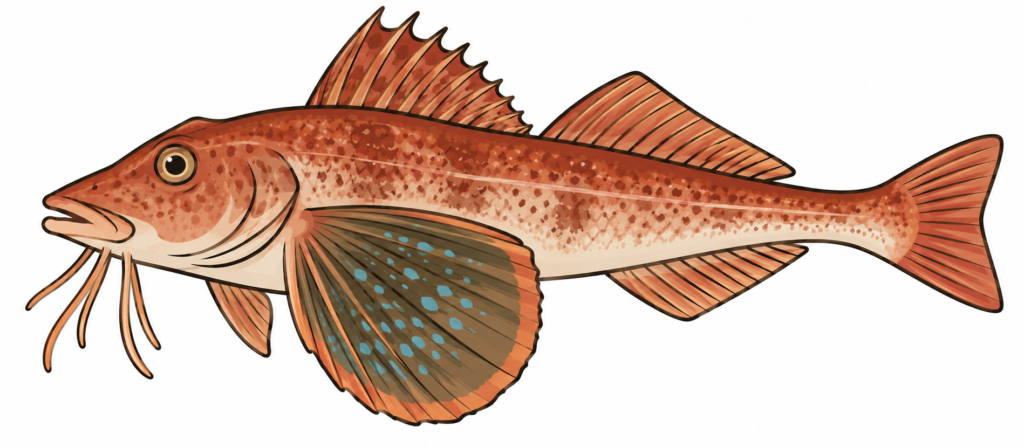
Gurnard
(Triglidae family)
Average weight: ½–2 lb, with larger specimens of 3–5 lb occasionally caught, depending on the species.
Also known as: Sea Robin, Red Gurnard, Grey Gurnard, Tub Gurnard.
Peak seasons typically caught: May to October, with June to September generally offering the best shore fishing opportunities, particularly along the southern and western coasts of the UK.
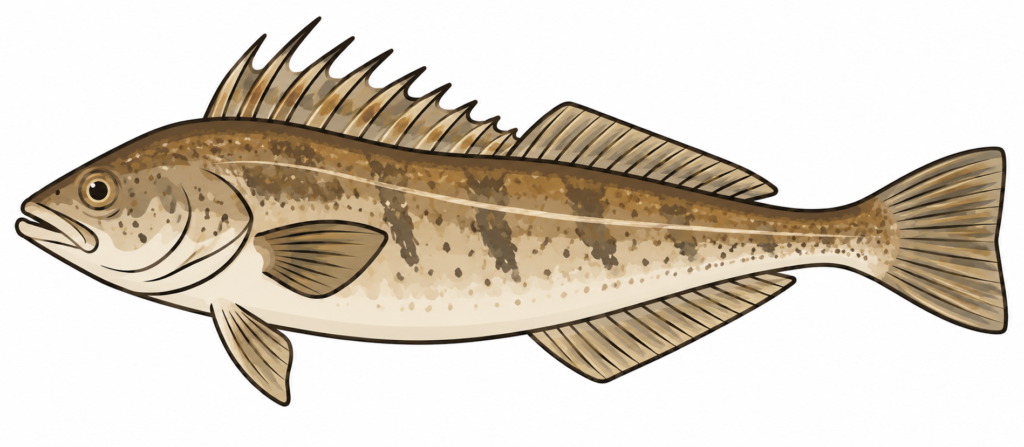
Weever
(Trachinidae family)
Average weight: Usually under ½ lb, with larger greater weevers occasionally reaching 1–2 lb.
Also known as: Weever Fish, Lesser Weever, Greater Weever.
Peak seasons typically caught: May to September, with June to August generally offering the best opportunities, particularly along sandy beaches around the southern and western coasts of the UK.
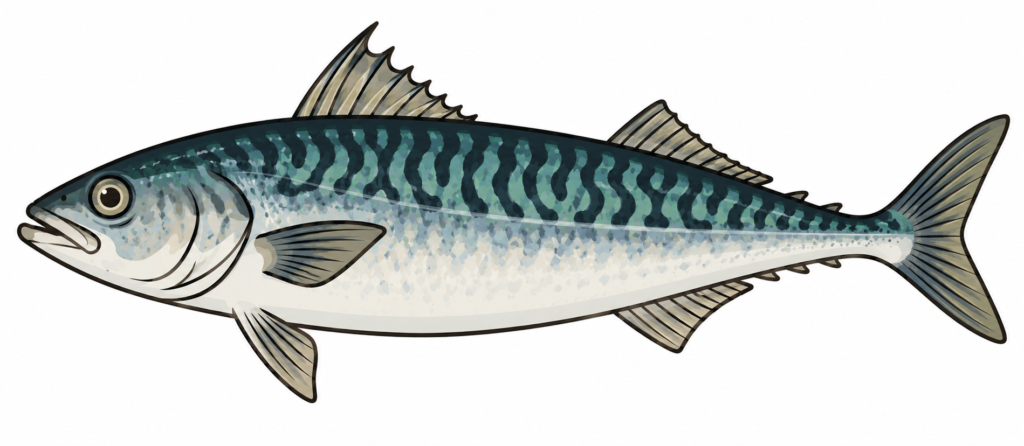
Mackerel
(Scomber scombrus)
Average weight: ½–1½ lb, with larger specimens of 2–3 lb occasionally caught.
Also known as: Atlantic Mackerel, Common Mackerel.
Peak seasons typically caught: May to October, with June to September generally offering the best shore fishing opportunities, particularly from piers, breakwaters, rocky headlands and beaches around the UK coastline.
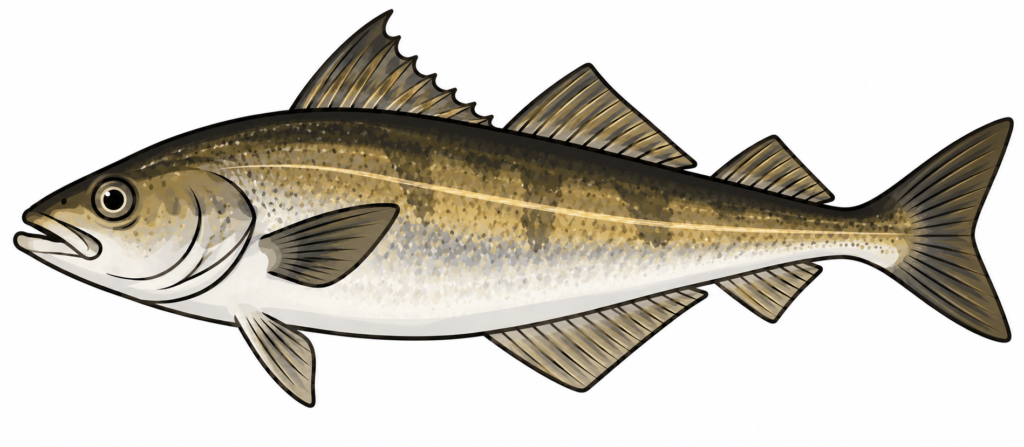
Pollack
(Pollachius pollachius)
Average weight: 1–5 lb, with larger specimens of 8–12 lb or more occasionally caught.
Also known as: Pollock, European Pollock, Lythe.
Peak seasons typically caught: May to October, with June to September generally offering the best shore fishing opportunities, particularly around rocky headlands, reefs, kelp beds and deep-water marks along the western and northern coasts of the UK.
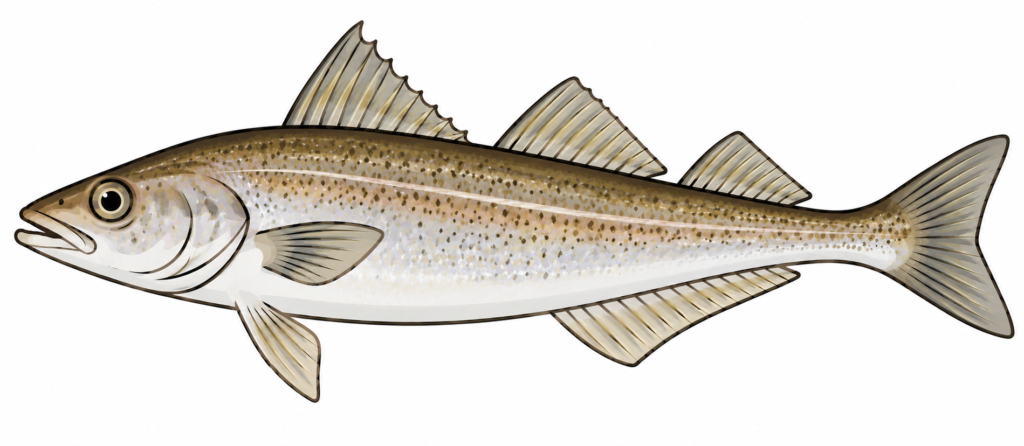
Whiting
(Merlangius merlangus)
Average weight: ½–1½ lb, with larger specimens of 2–3 lb occasionally caught.
Also known as: European Whiting, English Whiting, Common Whiting.
Peak seasons typically caught: October to March, with November to February generally offering the best shore fishing opportunities, particularly from sandy beaches, piers and estuaries around the UK coastline.
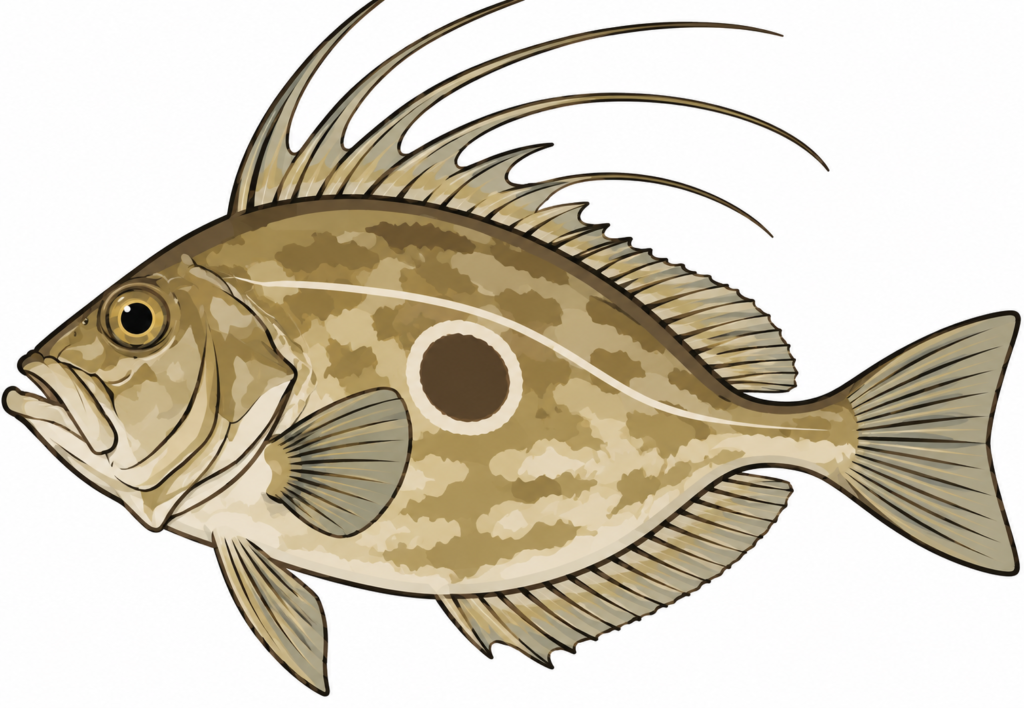
John Dory
(Zeus faber)
Average weight: 1–3 lb, with larger specimens of 4–6 lb or more occasionally caught.
Also known as: St Peter’s Fish, Dory, Peter’s Fish.
Peak seasons typically caught: June to October, with July to September generally offering the best opportunities, particularly along the southern and western coasts of the UK. John Dory are rarely caught from the shore, as they generally favour deeper coastal waters.
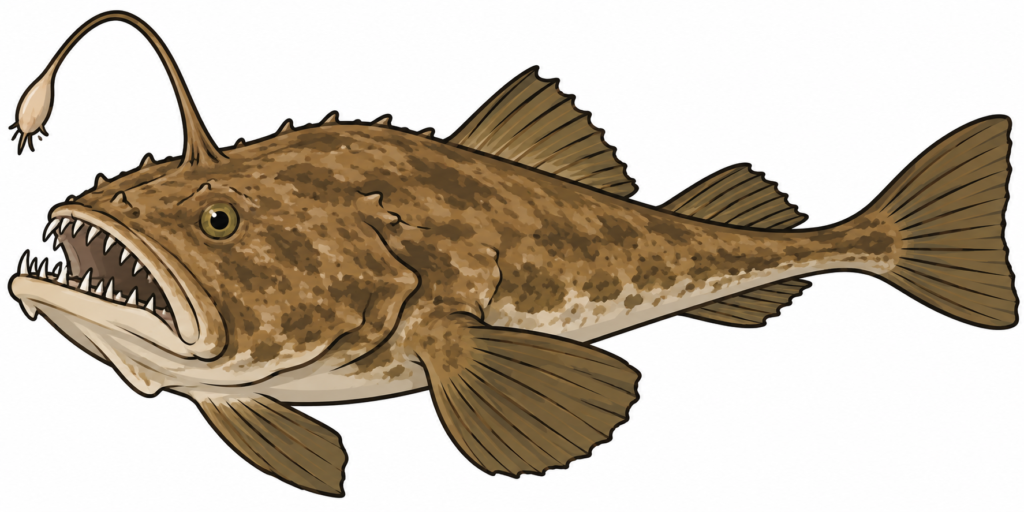
Monkfish
(Lophius piscatorius)
Average weight: 5–15 lb, although shore catches are extremely rare and there is insufficient data to establish a reliable average.
Also known as: Anglerfish, Common Monkfish, Sea Devil, Fishing Frog.
Peak seasons typically caught: No established UK shore fishing season. Monkfish are occasionally encountered throughout the year, but they predominantly inhabit deeper offshore waters and are rarely caught by shore anglers.
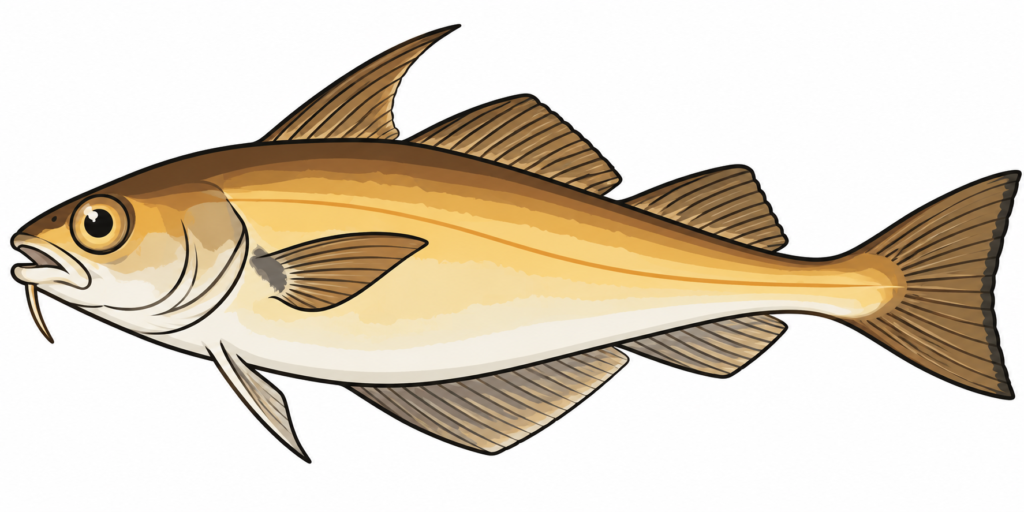
Pouting
(Trisopterus luscus)
Average weight: ½–1½ lb, with larger specimens of 2–3 lb occasionally caught.
Also known as: Pout, Bib, Pout Whiting, Pouting Whiting.
Peak seasons typically caught: April to November, with June to October generally offering the best shore fishing opportunities, particularly around piers, harbours, rocky marks and wrecks along the southern and western coasts of the UK.
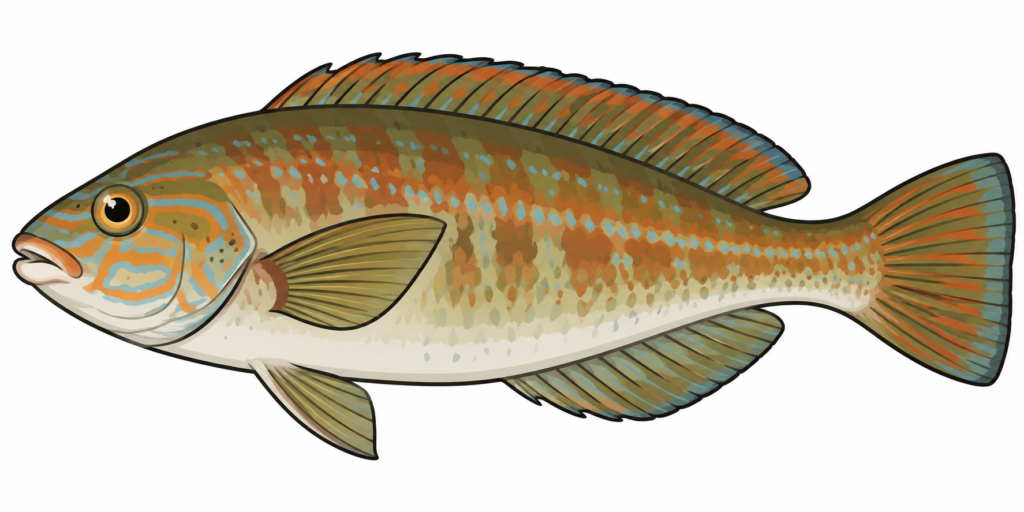
Wrasse
(Labridae family)
Average weight: 1–4 lb, with larger ballan wrasse specimens of 5–8 lb or more occasionally caught.
Also known as: Ballan Wrasse, Corkwing Wrasse, Goldsinny Wrasse, Cuckoo Wrasse, Rockfish.
Peak seasons typically caught: May to October, with June to September generally offering the best shore fishing opportunities, particularly around rocky shorelines, reefs, kelp beds and harbour walls along the southern and western coasts of the UK.
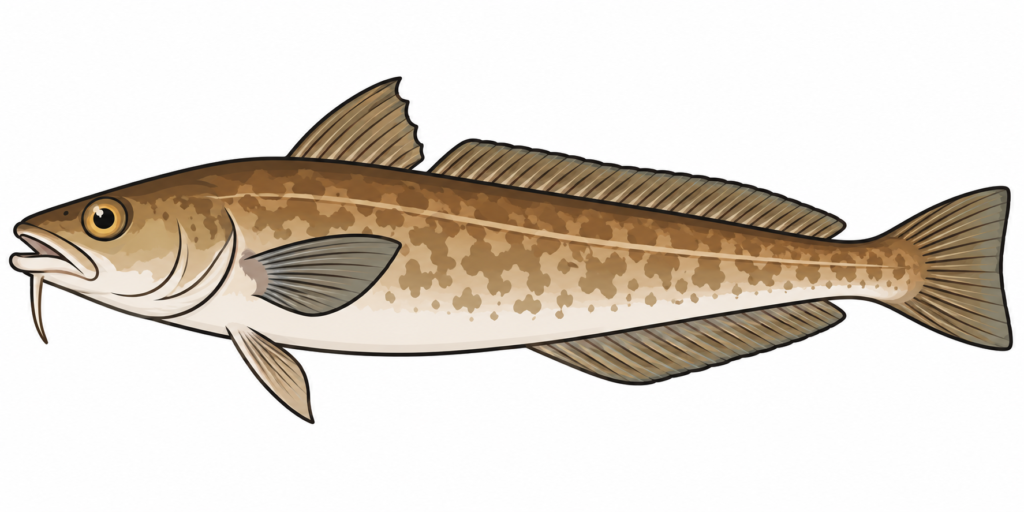
Ling
(Molva molva)
Average weight: 3–10 lb, with larger specimens of 15–20 lb or more occasionally caught.
Also known as: Common Ling, White Ling, European Ling.
Peak seasons typically caught: May to October, with June to September generally offering the best opportunities. Ling are rarely caught from the UK shoreline, as they typically inhabit deeper offshore waters, although they can occasionally be caught from deep-water rock marks, particularly around Scotland and northern England.
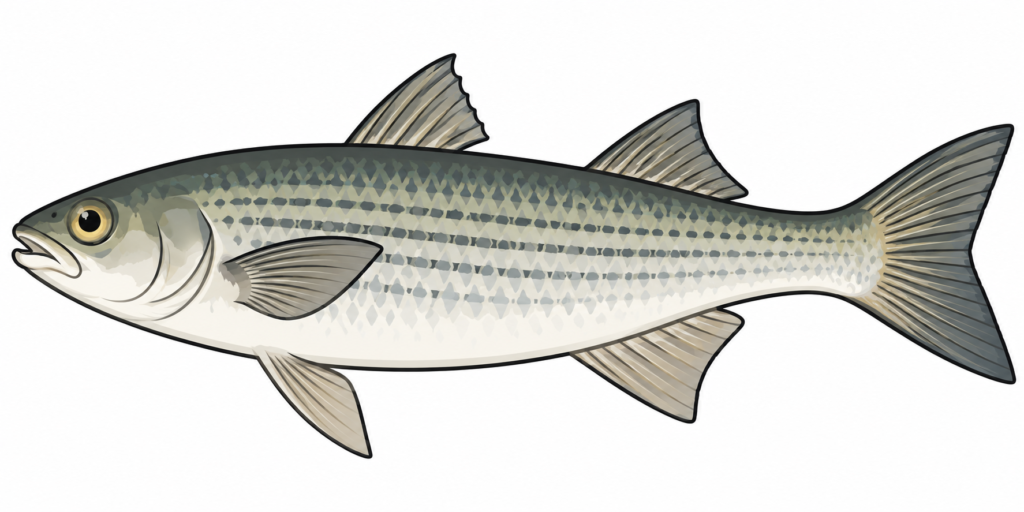
Mullet
(Mugilidae family)
Average weight: 2–5 lb, with larger specimens of 6–10 lb occasionally caught.
Also known as: Grey Mullet, Thick-Lipped Grey Mullet, Thin-Lipped Grey Mullet, Golden Grey Mullet.
Peak seasons typically caught: May to October, with June to September generally offering the best shore fishing opportunities, particularly around estuaries, harbours, tidal rivers and sheltered coastal waters.
Flatfish Species
Explore UK flatfish species, including identification, shore-caught records, average sizes and the latest fishing regulations.Flatfish are recognised by their flattened bodies, fins running along their edges and both eyes positioned on one side of the head. Species are classified as either right-eyed or left-eyed, depending on their eye position.
This guide covers the most common flatfish species found around the UK coastline. Rarer deep-water species are unlikely to be encountered by shore anglers.
Although skates and rays have a similar flattened appearance, they are more closely related to sharks and are not true flatfish.
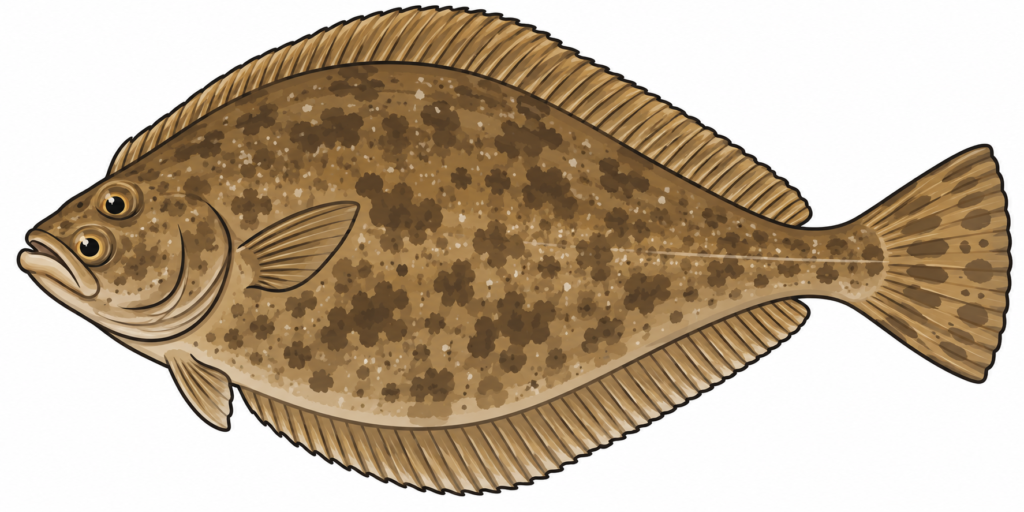
Brill
(Scophthalmus rhombus)
Average weight: 1–3 lb, with larger specimens of 5–8 lb or more occasionally caught.
Also known as: European Brill, Pearl Brill.
Peak seasons typically caught: April to October, with May to September generally offering the best shore fishing opportunities, particularly along sandy beaches, shingle banks and mixed-ground marks around the southern and western coasts of the UK.
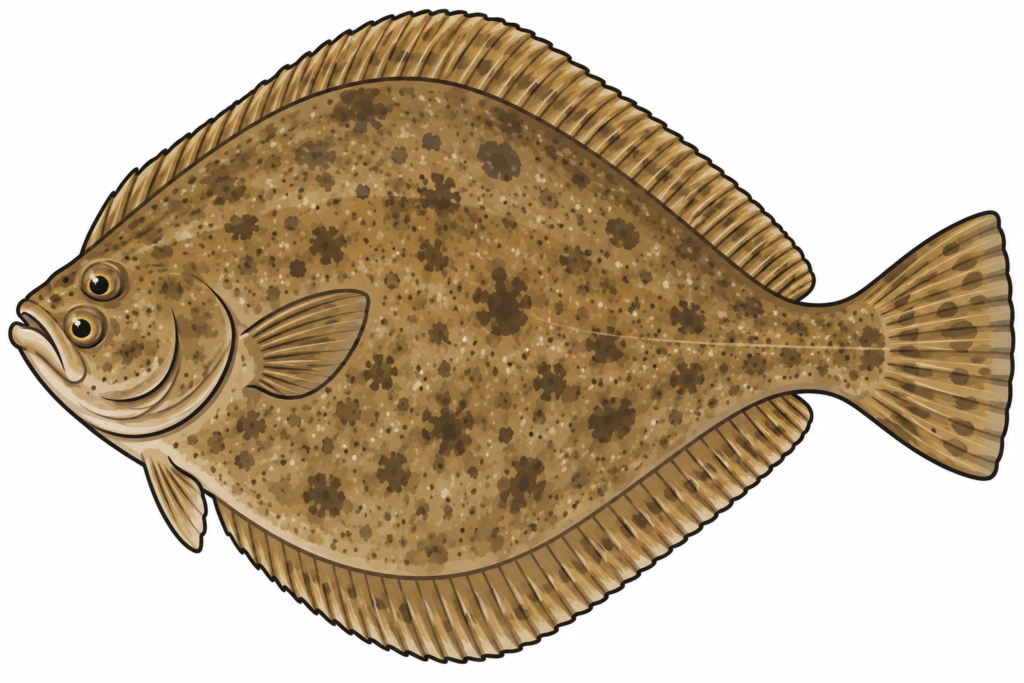
Turbot
(Scophthalmus maximus)
Average weight: 1–4 lb, with larger specimens of 5–10 lb or more occasionally caught.
Also known as: European Turbot, Common Turbot.
Peak seasons typically caught: April to October, with May to September generally offering the best shore fishing opportunities, particularly along sandy beaches, shingle banks and clean-ground marks around the southern and western coasts of the UK.
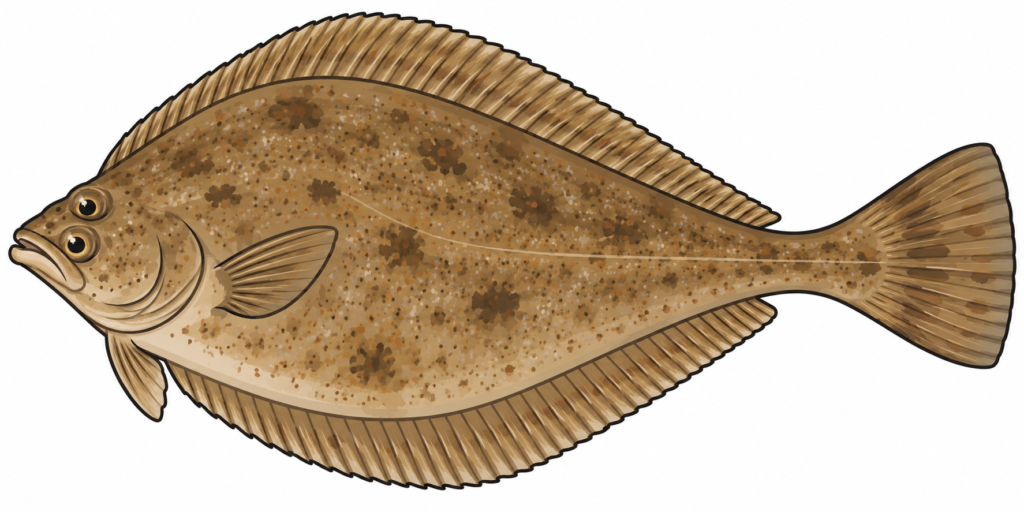
Dab
(Limanda limanda)
Average weight: ¼–¾ lb, with larger specimens of 1–1½ lb occasionally caught.
Also known as: Common Dab, European Dab.
Peak seasons typically caught: October to March, with November to February generally offering the best shore fishing opportunities, particularly along sandy beaches, estuaries and clean-ground marks around the UK coastline.
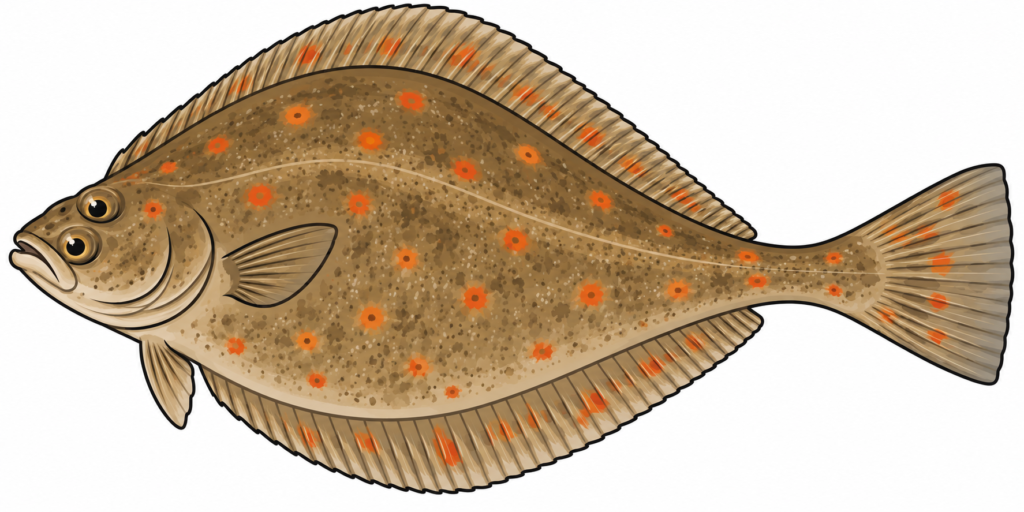
Plaice
(Pleuronectes platessa)
Average weight: ½–2 lb, with larger specimens of 3–5 lb or more occasionally caught.
Also known as: European Plaice, Common Plaice.
Peak seasons typically caught: March to October, with April to June and September to October generally offering the best shore fishing opportunities, particularly along sandy beaches, shingle banks and clean-ground marks around the UK coastline.
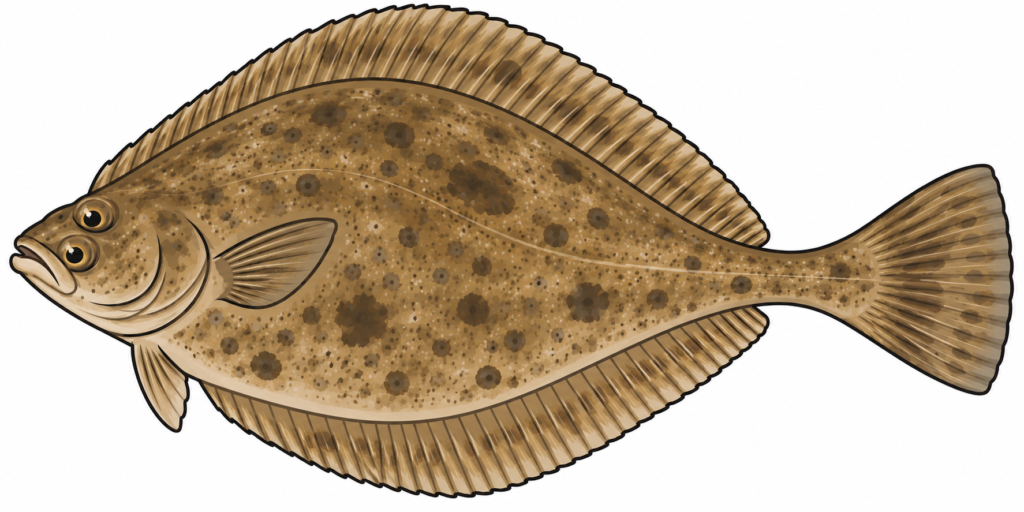
Flounder
(Platichthys flesus)
Average weight: ½–2 lb, with larger specimens of 3–4 lb occasionally caught.
Also known as: European Flounder, Common Flounder, Fluke, Flounder Dab.
Peak seasons typically caught: October to March, with November to February generally offering the best shore fishing opportunities, particularly around estuaries, tidal rivers, muddy creeks and sheltered coastal waters throughout the UK.
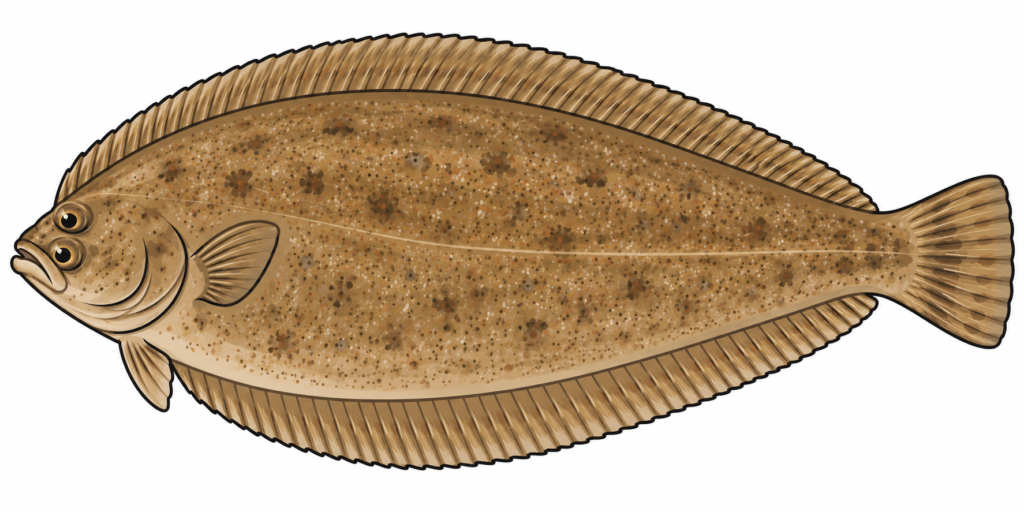
Sole
(Solea solea)
Average weight: ½–2 lb, with larger specimens of 3–4 lb occasionally caught.
Also known as: Dover Sole, Common Sole, Black Sole.
Peak seasons typically caught: May to October, with June to September generally offering the best shore fishing opportunities, particularly along sandy and muddy beaches, estuaries and sheltered coastal waters around the southern and eastern coasts of the UK.
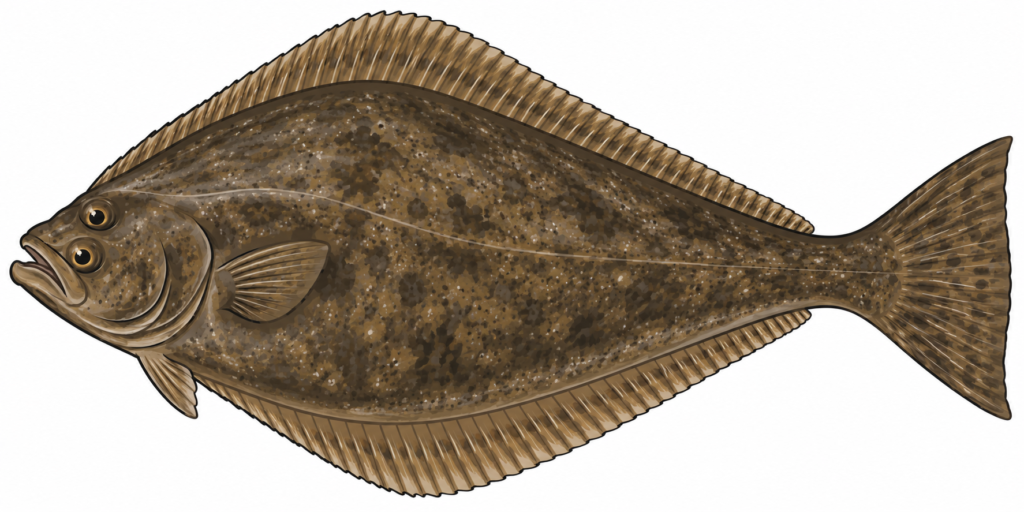
Halibut
(Hippoglossus hippoglossus)
Average weight: No reliable average due to the extreme rarity of shore catches. Halibut can exceed 100 lb, although specimens of this size are exceptionally rare in UK waters.
Also known as: Atlantic Halibut, Common Halibut, White Halibut.
Peak seasons typically caught: No established UK shore fishing season. Halibut are occasionally encountered in northern Scottish waters, with May to September generally offering better opportunities, although they are predominantly caught by boat anglers in deep offshore waters.
Where To Catch?
Popular Marks On The River HumberDiscover the Humber’s most popular sea-fishing hotspots! Whether you’re chasing Flounder and Cod on the mudflats or targeting bass along sandy beaches. Our comprehensive River Humber sea fishing guide is tailored to every venue and includes the peak seasons, recommended baits & rigs along with detailed maps and directions.