


Bull Huss
Showing all 10 results

Best Bait for Bull Huss – UK Fishing Baits, Rigs & Expert Tips
Looking for the best bait for bull huss fishing in the UK? Choosing the right bait can improve your chances of catching one of Britain’s larger spotted sharks.
Bull huss are also known as nursehounds or greater spotted dogfish. They have a broad head, strong jaws and large dark spots. Unlike smaller dogfish, bull huss can grow to an impressive size.
These fish spend much of their time close to the seabed. They feed on crabs, squid, shellfish and smaller fish. As a result, strong-smelling baits are a great choice.
At Squids In! SEA BAITS, we supply quality fresh and frozen sea fishing bait. We’re based in Goxhill near the River Humber. In addition, we supply anglers across the UK.
Below, we’ll explore the best baits for bull huss, useful rigs and fishing tips. We’ll also cover the UK shore-caught record and whether bull huss can be found around the Humber.
What Is the Best Bait for Bull Huss?
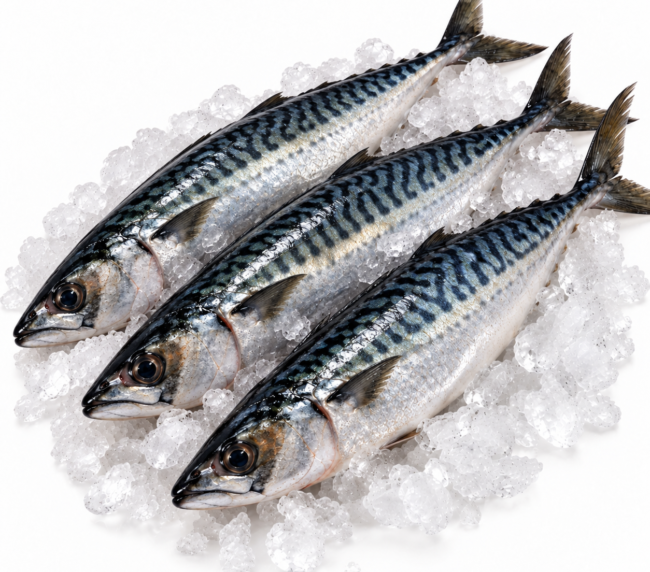
The best bait for bull huss is often mackerel, squid or a mix of the two.
Bull huss hunt and search for food close to the seabed. Because they have a strong sense of smell, oily fish baits can work very well.
For example, mackerel releases natural oils into the water. Meanwhile, squid has tough flesh that stays securely on the hook.
Other useful baits include bluey, cuttlefish, peeler crab and smaller fish.
Best Bull Huss Fishing Baits at a Glance
| Bait | Best Used For |
|---|---|
| Mackerel | Rough ground, night fishing and larger huss |
| Squid | Strong tides, rocky marks and larger baits |
| Mackerel and squid | Strong-smelling bait cocktails |
| Bluey | Oily fish baits and deeper water |
| Cuttlefish | Rocky ground and larger bait presentations |
| Peeler crab | Mixed ground and crab-feeding fish |
| Sandeel | Smaller fish bait presentations |
| Whiting and other fish baits | Deep water and larger huss |
Although all these baits can work, mackerel and squid are excellent starting points. Therefore, carrying both gives you several bait options.
1. Mackerel – One of the Best Baits for Bull Huss
Mackerel is one of the most popular baits for bull huss fishing.
Its oily flesh releases a strong scent into the water. As a result, it can attract fish searching for food over rocky ground.
You can use mackerel as strips, fillets, chunks or larger baits. However, the best size depends on the fish you’re targeting.
Why Mackerel Works for Bull Huss
- Releases natural fish oils.
- Creates a strong scent trail.
- Useful for night fishing.
- Suitable for larger bait presentations.
- Works well over rocky ground.
- Combines well with squid.
Mackerel is also useful when targeting conger eels and other fish that feed on the seabed.
Top tip: Try a thick strip of mackerel with the skin attached. Then secure it with bait elastic to help it stay on the hook.
Shop: Browse Frozen Sea Fishing Baits
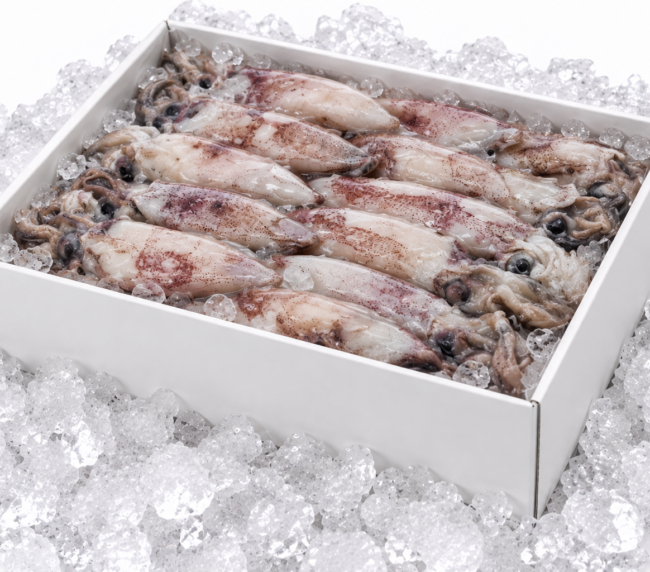
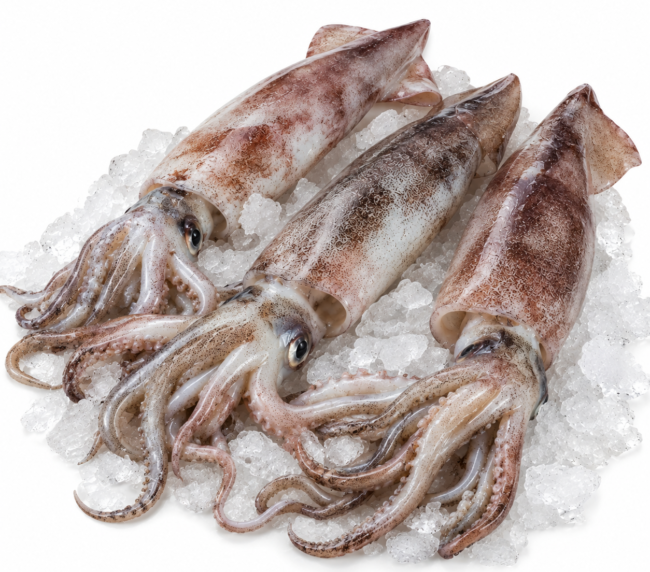
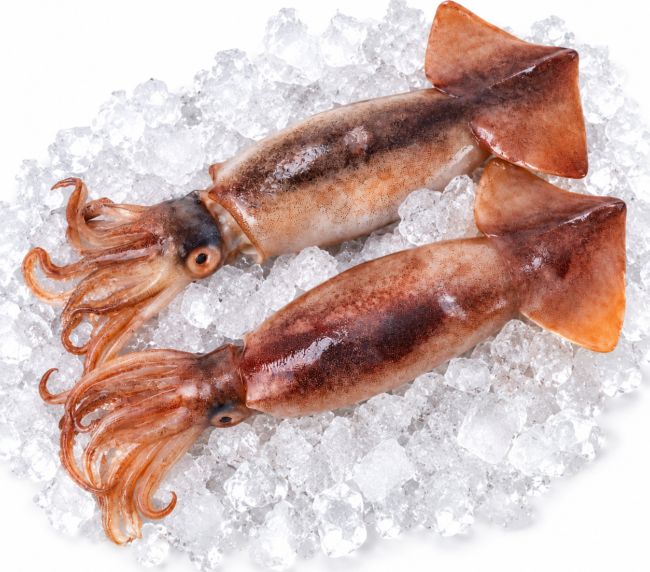
2. Squid – A Top Bait for Bull Huss Fishing
Squid is another excellent bait for bull huss.
Because squid has tough flesh, it stays on the hook during long casts and in strong tides. In addition, it releases a natural scent that can attract feeding fish.
You can use whole squid, strips or larger sections.
Why Squid Works for Bull Huss
- Tough flesh stays securely on the hook.
- Releases natural scent.
- Useful for strong tides.
- Suitable for rough-ground fishing.
- Can be used whole or in strips.
- Combines well with oily fish baits.
Whole squid is a popular choice when targeting larger fish. However, smaller strips can also work well.
Top tip: Try wrapping squid around a strip of mackerel. This creates a strong-smelling bait that holds together during casting.
Shop: Unwashed Illex Squid
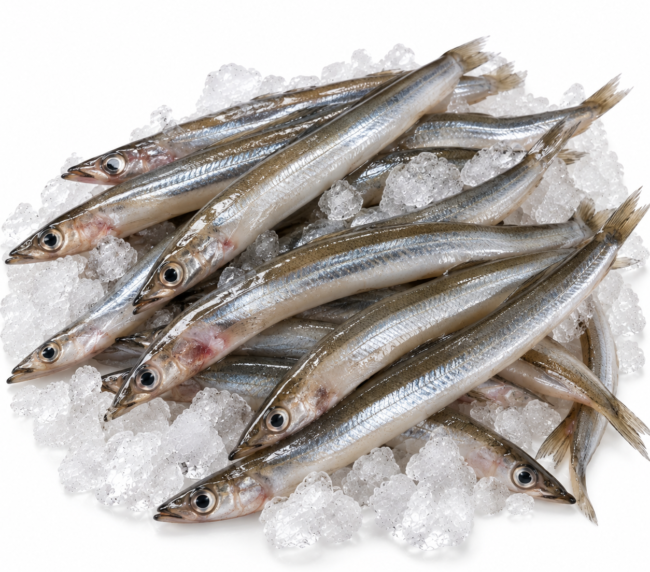
3. Bluey – An Oily Fish Bait for Bull Huss
Bluey, also known as Pacific saury, is a useful bait for bull huss.
It contains plenty of natural oils. Therefore, it can create a strong scent trail in the water.
Bluey can be cut into strips, chunks or larger sections. As a result, it’s suitable for different bait presentations.
Why Bluey Works for Bull Huss
- Contains natural fish oils.
- Releases a strong scent.
- Useful in deeper water.
- Suitable for larger baits.
- Can be combined with squid.
- Offers an alternative to mackerel.
Bluey is especially worth trying when fishing in coloured water or strong tides.
Top tip: Leave the skin attached when cutting bluey. Then use bait elastic to secure the softer flesh.
Shop: Explore Frozen Sea Fishing Baits
4. Cuttlefish – A Natural Bait for Bull Huss
Cuttlefish is another useful bait for bull huss.
Like squid, it has firm flesh and releases natural scent. Therefore, it can work well around rocky ground and deeper water.
You can use cuttlefish in strips or larger pieces. However, the bait should match the hook size and fishing conditions.
Why Cuttlefish Works for Bull Huss
- Natural food source.
- Tough flesh helps it stay on the hook.
- Useful for larger baits.
- Suitable for rocky ground.
- Works well in strong tides.
Cuttlefish can also be combined with fish baits for a larger presentation.
Top tip: Try a strip of cuttlefish alongside mackerel. The cuttlefish can help hold the bait together.
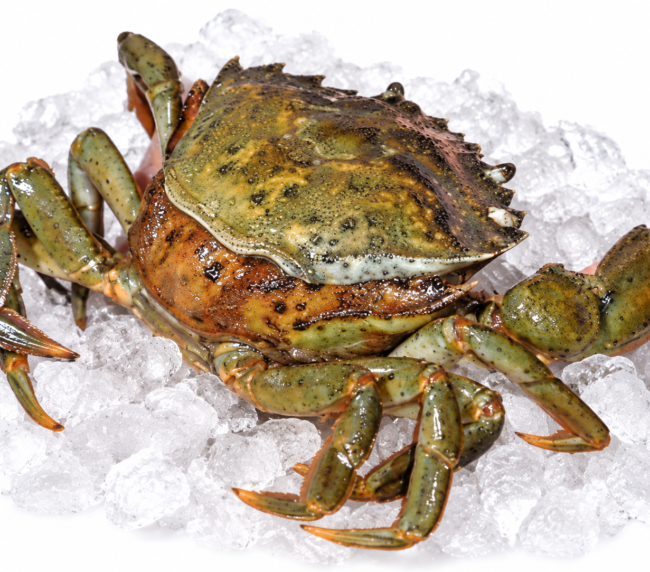
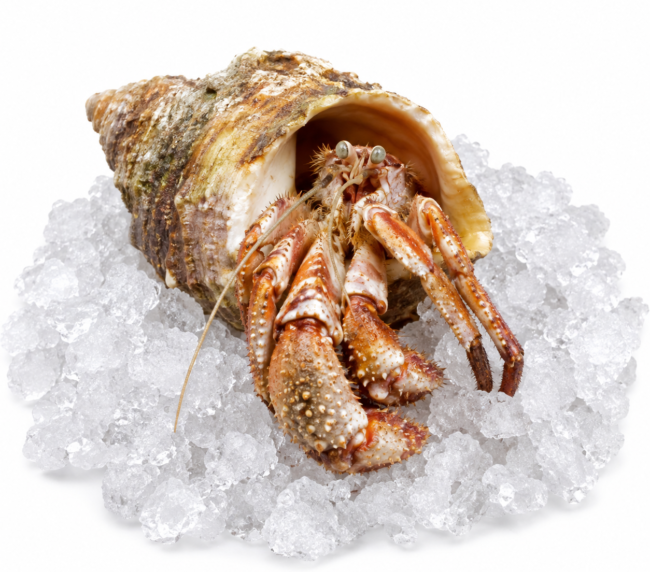
5. Peeler Crab – A Natural Bull Huss Bait
Crabs form part of the natural diet of bull huss.
These sharks often search rocky areas for food. Therefore, peeler crab is worth trying around reefs, gullies and mixed ground.
Its soft body releases scent into the water. In addition, you can use it whole or in sections.
Why Peeler Crab Works for Bull Huss
- Natural food source.
- Useful around rocky ground.
- Releases an attractive scent.
- Suitable for mixed seabeds.
- Can be used in bait cocktails.
Although oily fish baits are often the first choice, crab can be a useful alternative.
Top tip: Secure peeler crab with bait elastic. However, make sure the hook point remains exposed.
Shop: Frozen Peeler Crab
6. Sandeel – A Small Fish Bait for Bull Huss
Sandeel is another natural fish bait that can catch bull huss.
These sharks feed on smaller fish close to the seabed. As a result, whole sandeel can be a useful option.
Sandeel is also easy to combine with squid.
Why Sandeel Works for Bull Huss
- Natural fish bait.
- Useful for smaller presentations.
- Suitable for mixed ground.
- Can be combined with squid.
- Offers an alternative to larger fish baits.
Top tip: Try a whole sandeel with a strip of squid. This can create a neat bait for casting.
7. Whiting and Other Fish Baits for Bull Huss
Bull huss feed on many smaller fish.
Therefore, fish baits such as whiting, herring and other suitable species can be effective.
You can use strips, fillets or larger sections. However, always use fish obtained legally and from a suitable source.
Why Fish Baits Work for Bull Huss
- Natural food source.
- Release scent into the water.
- Suitable for larger baits.
- Useful in deeper water.
- Can attract other predatory species.
Fish baits are especially useful when targeting larger bull huss over rough ground.
Top tip: Keep the skin attached when preparing fish strips. In addition, use bait elastic if the flesh is soft.
Best Bait Cocktail for Bull Huss
A mackerel and squid cocktail is one of the best bait combinations for bull huss.
The mackerel releases natural oils, while the squid helps hold the bait together. As a result, the finished bait is both strong-smelling and durable.
How to Make a Mackerel and Squid Cocktail
- Cut a thick strip of mackerel.
- Leave the skin attached.
- Add a strip of squid alongside the fish.
- Place both baits on a strong hook.
- Secure them with bait elastic.
- Leave the hook point exposed.
For larger presentations, a pennel rig can help keep the bait in place.
Top tip: Avoid making the bait too large. A neat presentation can be easier for the fish to take and easier to cast.
Where Is the Best Place to Catch Bull Huss?
Bull huss prefer rocky and mixed seabeds.
They often live around reefs, boulders, rocky gullies and areas with seaweed. During daylight, they may rest in holes and gaps between rocks.
However, they become more active when searching for food at night.
Rocky Shorelines
Rocky shorelines are among the best places to target bull huss.
Look for deeper water close to shore. In addition, gullies and rocky ledges can provide feeding areas.
Mackerel and squid are excellent bait choices.
Rough-Ground Beaches
Beaches with rocks, stones and mixed seabeds can also produce bull huss.
Because these areas hold crabs and small fish, they provide natural food.
Piers and Harbour Walls
Some piers and harbour walls offer access to deeper water and rocky ground.
Therefore, they can be worth trying where bull huss are known to occur.
Boat Fishing Marks
Boats can provide access to reefs and deeper rocky areas.
As a result, anglers may find bull huss in places that are difficult to reach from shore.
Top tip: Look for rocky ground with deeper water nearby. Bull huss are less likely to be found on wide, featureless sandy beaches.
Best Bull Huss Fishing Rigs
Bull huss are strong fish that often live around rough ground.
Therefore, choosing a suitable rig can help reduce tackle losses and improve bait presentation.
Pulley Rig
A pulley rig is a popular choice for bull huss fishing.
Its design helps lift the lead during retrieval when a fish is hooked. As a result, it may reduce snagging around rocks.
Pulley Pennel Rig
A pulley pennel rig is useful for larger baits.
The two-hook setup helps present long fish strips and squid cocktails. In addition, it can keep larger baits neatly arranged.
Running Ledger Rig
A running ledger is a simple bottom-fishing rig.
It can work well on suitable mixed ground. However, very rough seabeds may require a different setup.
Rotten-Bottom Rig
A rotten-bottom setup uses a weaker link to hold the lead.
If the lead becomes trapped, the link may break and allow the rest of the rig to be recovered.
Therefore, it can be useful around rocky marks where tackle losses are common.
What Size Hooks Are Best for Bull Huss?
Many anglers use strong hooks around 3/0 to 6/0 for bull huss.
However, the best hook size depends on the bait and target fish.
Larger fish baits may need stronger hooks and tackle. In addition, abrasion-resistant line can help when fishing around rocks.
Always match your tackle to the conditions and keep the hook point exposed.
When Is the Best Time to Catch Bull Huss in the UK?
Bull huss can be caught throughout the year in suitable areas.
However, spring, summer and autumn are often productive periods for shore anglers.
The best season depends on the coastline and local water conditions.
Spring – March to May
Bull huss may become more active around suitable rocky marks.
Mackerel, squid and crab are all useful baits. In addition, night fishing can be productive.
Summer – June to August
Summer can offer good opportunities for bull huss.
These fish often feed after dark. Therefore, evening and night sessions are popular.
Autumn – September to November
Autumn can also be productive, especially around rocky shorelines.
Mackerel and squid remain excellent bait choices. Meanwhile, bluey provides another oily fish option.
Winter – December to February
Bull huss can still be caught during winter.
However, fishing may be less reliable at some shore marks. For this reason, checking local reports can help.
Is Night Fishing Best for Bull Huss?
Night fishing is often one of the best ways to target bull huss.
These sharks are mainly active after dark. During the day, they may rest among rocks and seaweed.
As light fades, bull huss often move out to search for food. Therefore, evening and night sessions can be especially useful.
Night Fishing Tips
- Choose a safe and familiar fishing mark.
- Check the tide before setting up.
- Use strong-smelling baits.
- Carry a reliable head torch.
- Keep spare rigs ready.
- Take care when landing fish near rocks.
Although night fishing can be productive, safety should always come first.
Top tip: Try fishing a flooding tide after dark. However, remember that some marks fish better at other stages of the tide.
Best Tide for Bull Huss Fishing
Moving water can help carry bait scent across the seabed.
Therefore, tides play an important role in bull huss fishing.
Rising Tide
A rising tide can bring feeding fish closer to shore.
In addition, it may allow bull huss to move into rocky gullies.
High Water
High water can provide access to deeper areas close to shore.
However, the best time depends on the fishing mark.
Falling Tide
Bull huss may continue feeding as the tide falls.
Therefore, fishing deeper channels and rocky edges can still be worthwhile.
Top tip: Keep a record of productive tides and bait combinations. Over time, this can help you plan better sessions.
How to Tell a Bull Huss From a Lesser Spotted Dogfish
Bull huss and lesser spotted dogfish can look similar.
However, they are different species.
Bull huss are usually larger and have a broader head. Their dark spots also tend to be larger.
One of the most useful differences is the shape of the nasal flaps.
Bull Huss
- Usually larger and heavier.
- Broad head and strong body.
- Large dark spots and patches.
- Nasal flaps remain separate and do not reach the mouth.
Lesser Spotted Dogfish
- Usually smaller and slimmer.
- Often has many smaller dark spots.
- Nasal flaps extend towards the mouth and join around the upper lip.
Because smaller bull huss can resemble larger dogfish, checking the nasal flaps is particularly useful.
For more species information, visit the Yorkshire Wildlife Trust’s Nursehound Guide.
UK Shore-Caught Bull Huss Record – How Big Can They Grow?
The official UK shore-caught bull huss record is 19 lb 14 oz (9.015 kg).
Angler G. Ebbs caught this impressive fish in 1992 at Pwllheli Beach, Gwynedd, Wales.
The record shows just how large bull huss can grow.
However, most fish caught by UK shore anglers are much smaller. Even so, a large bull huss is an exciting catch.
Bull huss have strong jaws and rough skin. Therefore, anglers should take care when landing and handling them.
For the latest verified records, visit the British Record Fish Committee.
Can You Catch Bull Huss in the River Humber?
Bull huss are not a regular target species in the River Humber Estuary.
Although nursehounds are found around the UK coastline, they prefer rocky reefs, rough ground and areas with plenty of shelter.
The inner Humber has large areas of mud, sand and strong tidal channels. As a result, it is less suitable for bull huss than many rocky coastal marks.
Are Bull Huss Found Near the Humber?
Bull huss occur in UK waters, including parts of the North Sea.
However, catches around the Humber are not common. There is also little reliable evidence of regular bull huss catches from inner-estuary marks such as Goxhill or East Halton Skitter.
For this reason, anglers should not expect bull huss to be a regular catch at these locations.
Can You Catch Bull Huss at Grimsby or Cleethorpes?
Grimsby and Cleethorpes provide access to the Humber and nearby coastal waters.
However, bull huss are not commonly reported from these marks.
Dogfish and other shark species may sometimes be confused with bull huss. Therefore, correct fish identification is important.
What About the Outer Humber?
The wider North Sea contains a range of shark and ray species.
Although bull huss can occur in UK waters, their presence at any particular offshore mark should not be assumed.
Rocky areas farther from the estuary may offer more suitable habitat. However, local catch reports are needed before treating a mark as a reliable bull huss location.
Where Should You Fish for Bull Huss in the UK?
For a better chance of catching bull huss, consider areas known for rocky ground and regular catches.
Popular regions include:
- North Wales.
- West Wales.
- South-west England.
- The Bristol Channel.
- Parts of western Scotland.
These areas offer rocky reefs, gullies and deeper water close to shore.
Best Bait to Try if Targeting Bull Huss
The most useful baits include:
- Mackerel: An oily fish bait with a strong scent.
- Squid: Tough flesh that stays on the hook.
- Bluey: Another oily fish bait.
- Mackerel and squid cocktails: A popular combination.
- Peeler crab: A natural food source.
- Cuttlefish: Useful for larger presentations.
At Squids In! SEA BAITS, we’re based in Goxhill near the River Humber. Although bull huss are uncommon locally, we supply baits suitable for targeting them around the UK.
For information about fish regularly found in our local waters, read our River Humber Fish Species Guide.
Fresh vs Frozen Bait for Bull Huss Fishing
Both fresh and frozen bait can catch bull huss.
However, the best choice depends on bait quality and how it has been stored.
Advantages of Fresh Bait
- Natural scent.
- Useful for preparing fish strips.
- Popular for larger bait presentations.
Advantages of Frozen Bait
- Easy to store.
- Convenient for future trips.
- Available in several bait types.
- Useful for keeping spare bait ready.
Because bull huss feed by scent, good-quality fish and squid baits are useful options.
At Squids In! SEA BAITS, we supply frozen sea fishing baits that are easy to prepare for your next trip.
Browse Frozen Sea Fishing Baits
Frequently Asked Questions About Bull Huss Fishing
What Is the Number One Bait for Bull Huss?
Mackerel is one of the best baits for bull huss. However, squid and mackerel-and-squid cocktails can also work extremely well.
Is Squid Good Bait for Bull Huss?
Yes. Squid is an excellent bait because it releases natural scent and stays securely on the hook. In addition, it combines well with oily fish.
Is Bluey Good for Bull Huss?
Yes. Bluey contains natural oils that release scent into the water. Therefore, it is a useful alternative to mackerel.
What Is the Best Bait Cocktail for Bull Huss?
Mackerel and squid is a popular combination. The mackerel provides scent, while the squid helps hold the bait together.
What Is the Best Time to Catch Bull Huss?
Bull huss can be caught throughout the year. However, spring, summer and autumn are often productive periods.
Is Night Fishing Best for Bull Huss?
Night fishing is often very effective. Because bull huss are mainly active after dark, evening and night sessions are popular.
What Size Hooks Should I Use for Bull Huss?
Many anglers use strong hooks around 3/0 to 6/0. However, the best size depends on the bait and fishing conditions.
Do Bull Huss Live Around Rocks?
Yes. Bull huss prefer rocky reefs, gullies and mixed ground. Therefore, rough-ground fishing marks are often good places to target them.
Are Bull Huss the Same as Dogfish?
Bull huss are also called greater spotted dogfish. However, they are a different species from the smaller lesser spotted dogfish.
Can You Catch Bull Huss in the River Humber?
Bull huss are not a regular catch in the inner Humber. Although the species occurs around the UK, the estuary is not one of its better-known fishing areas.
What Is the UK Shore-Caught Bull Huss Record?
The British shore-caught record is 19 lb 14 oz (9.015 kg). G. Ebbs caught the fish at Pwllheli Beach, Gwynedd, Wales, in 1992.
Can You Eat Bull Huss?
Bull huss are edible. However, many anglers choose to return them because they grow slowly and are an important part of the marine food chain.
Responsible Bull Huss Fishing in the UK
Bull huss are a species of shark. Therefore, careful handling is important.
When landing a fish, support its body properly. In addition, avoid lifting large fish by the tail alone.
Bull huss have rough skin and strong jaws. For this reason, take care when removing hooks.
If you’re returning a fish, keep it out of the water for as little time as possible.
Always check current local fishing rules before keeping any fish.
For more information about the species, visit the Yorkshire Wildlife Trust’s Nursehound Guide.
Buy Quality Bull Huss Fishing Bait Online at Squids In! SEA BAITS
Whether you’re fishing a rocky shoreline, rough-ground beach or deeper water, choosing the right bait gives you more options.
At Squids In! SEA BAITS, we supply quality natural sea fishing baits, including squid, mackerel, bluey and peeler crab.
We’re based in Goxhill near the River Humber. In addition, we supply anglers throughout the UK.
Get your bait ready for your next bull huss fishing session.
Squids In! SEA BAITS – Quality Bait for Every Session.