

European Bass
(Dicentrarchus labrax )
Appearance
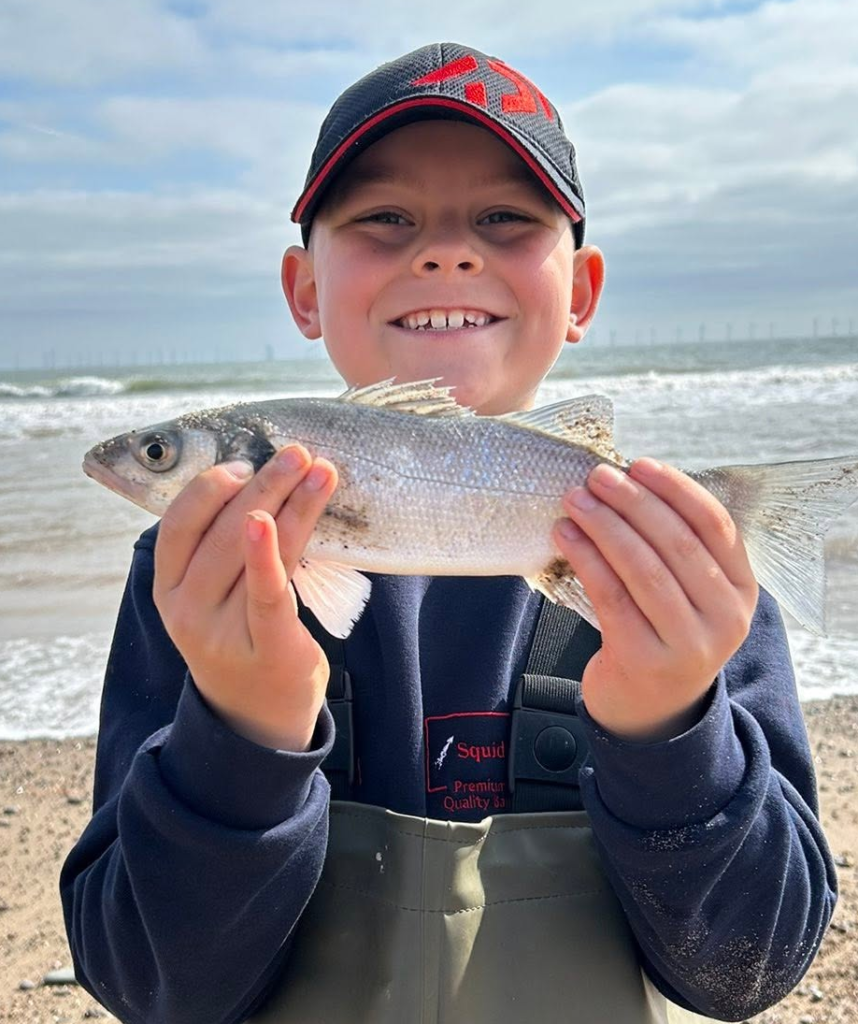
Bass are a popular and frequently caught species around the British coastline, easily recognised by their sleek, streamlined bodies, shimmering silver sides, blue-grey backs and pale cream-white undersides. They have two distinct dorsal fins: the first features nine sharp spines, while the second has a single spine followed by around 12–13 soft rays. Their large mouths are lined with numerous small, sharp teeth, making them effective predators.
Warning: Take care when handling bass, as their sharp dorsal spines and gill covers can cause painful cuts. Always handle them carefully to avoid injury.
Also known as
European Sea Bass, Sea Bass, European Bass, School Bass (smaller, immature bass).
IUCN Status
An IUCN status is a standardized global rating that indicates how close an animal, plant, or fungus species is to extinction
.
Least Concern
IUCN Red List Conservation Status
This species is currently classified as Least Concern on the IUCN Red List, indicating a relatively low global risk of extinction
Bass Fishing Regulations
- 1 January – 31 January: Maximum of 3 bass per angler per day.
- 1 February – 31 March: Catch and release only. No bass may be retained.
- 1 April – 31 December: Maximum of 3 bass per angler per day.
Minimum legal size: 42 cm (16.5 inches). All undersized bass must be returned to the sea immediately.
Additional restrictions: These regulations apply to both shore and boat anglers. Additional restrictions may apply in designated bass nursery areas, and local fisheries byelaws should always be checked before fishing.
Important: These are the 2026 rules for the relevant English and Welsh fishing areas. Regulations may differ elsewhere in the UK.
Official source: Marine Management Organisation – Bass Fishing Guidance 2026.
Best Time To Catch Bass
Bass can be caught throughout much of the year, with the best UK shore fishing typically from May to October. As temperatures drop in November, many larger bass move into deeper offshore waters before returning inshore during May and June.
Where To Catch Bass
Bass are commonly found feeding around rocky headlands, reefs, gullies and kelp beds, particularly where strong tidal currents create areas of disturbed water. They also patrol sandy and shingle beaches, hunting in the surf and along sandbanks, drop-offs and tidal channels where food is concentrated. Estuaries, harbour entrances, tidal creeks and river mouths are equally productive, especially around structure and areas where currents meet. Bass can tolerate brackish water and will often travel several miles upstream into tidal rivers in search of small fish, crabs and other prey.
UK Shore Caught Record
European Bass
RECORD WEIGHT
19 lb 12 oz (8.958 kg)
J. Stephenson-Locker
Portsmouth Dockyard, Hampshire
Year: 2012
Best Baits For Bass Fishing
Bass can be caught using both artificial lures and natural baits, with each method offering its own advantages. Choosing the right approach often depends on the fishing location, tidal conditions, water clarity and how actively the bass are feeding.
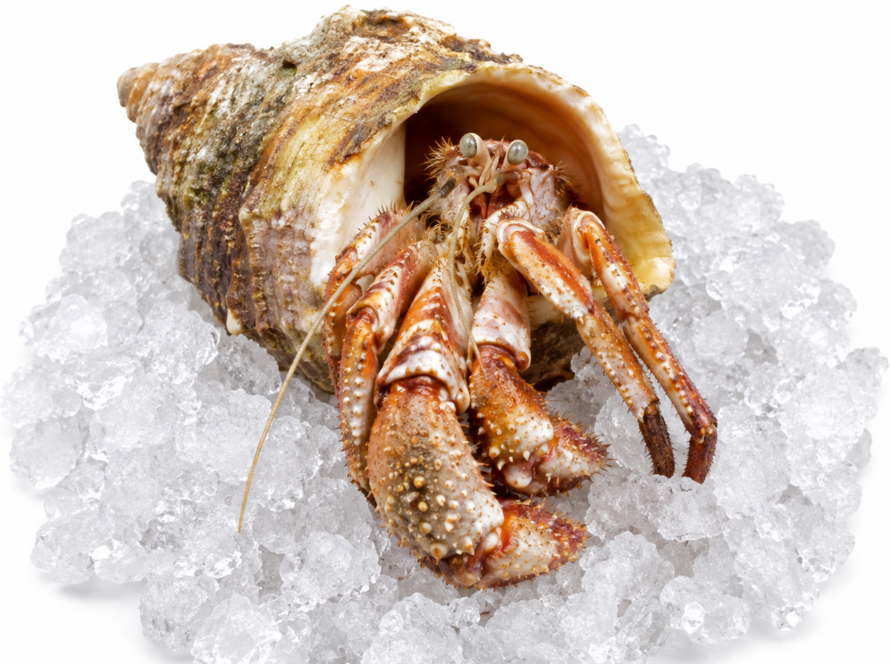
Crab & Shellfish Baits: Peeler crab is one of the most reliable baits for bass, especially around estuaries, rocky ground and areas where crabs naturally gather. Soft-backed crabs, prawns, shrimps and hermit crabs can also work well.
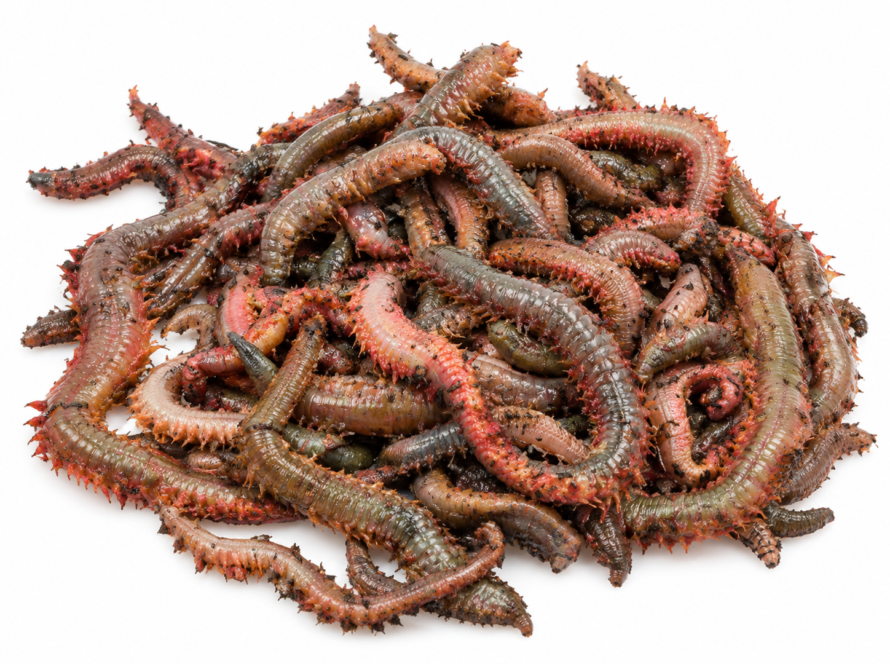
Worm Baits: Ragworm and lugworm are particularly effective when surf fishing or targeting bass in shallow water, especially after dark when fish often move closer to shore to feed.
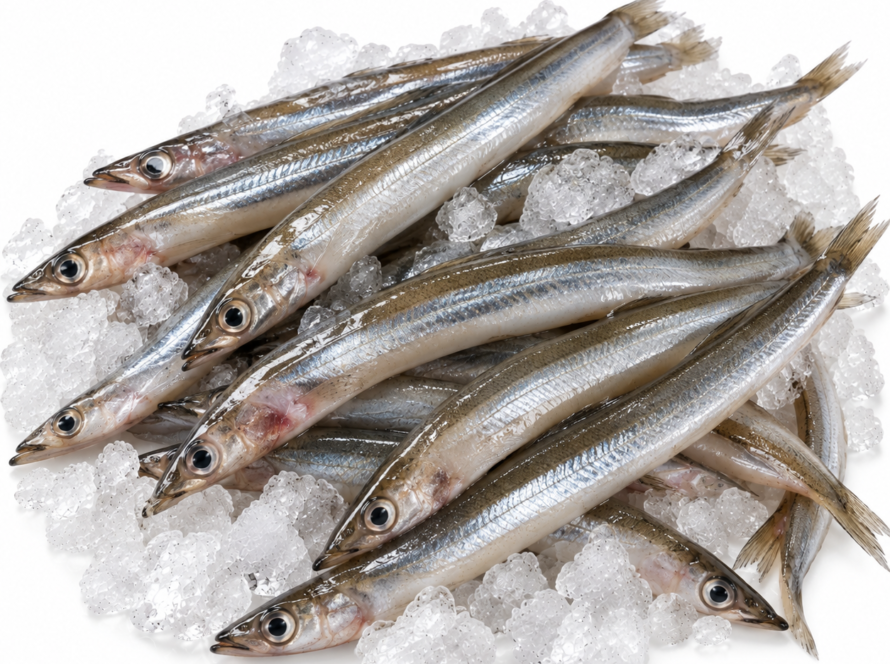
Artificial Lures: Soft plastic sandeels, paddle tails, diving plugs, surface lures and metal minnows are all excellent options. These are particularly effective around reefs, rocky headlands, gullies and tidal currents where bass actively hunt smaller fish.
Which Method Is Best for Bass?
There’s no single method that works best in every situation. Lures are an excellent choice when bass are actively hunting, particularly in clear water around rocky marks, reefs and tidal currents.
Fresh & Frozen bait often has the advantage in rough surf, coloured water and when fishing after dark, especially when using natural food sources such as peeler crab and worms.
-
From £6.00Rated 5.00 out of 5This product has multiple variants. The options may be chosen on the product page
-
 From £6.00 This product has multiple variants. The options may be chosen on the product page