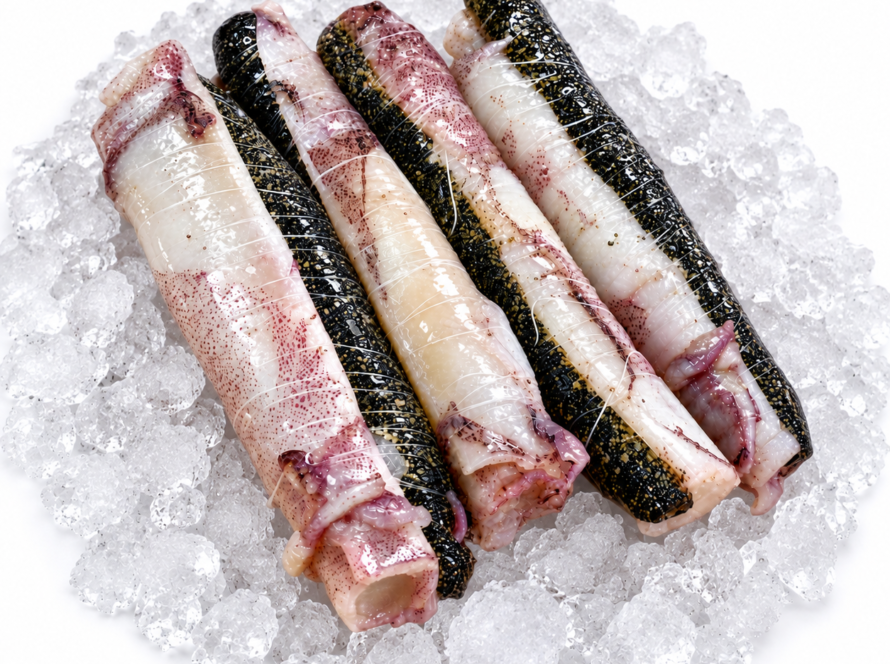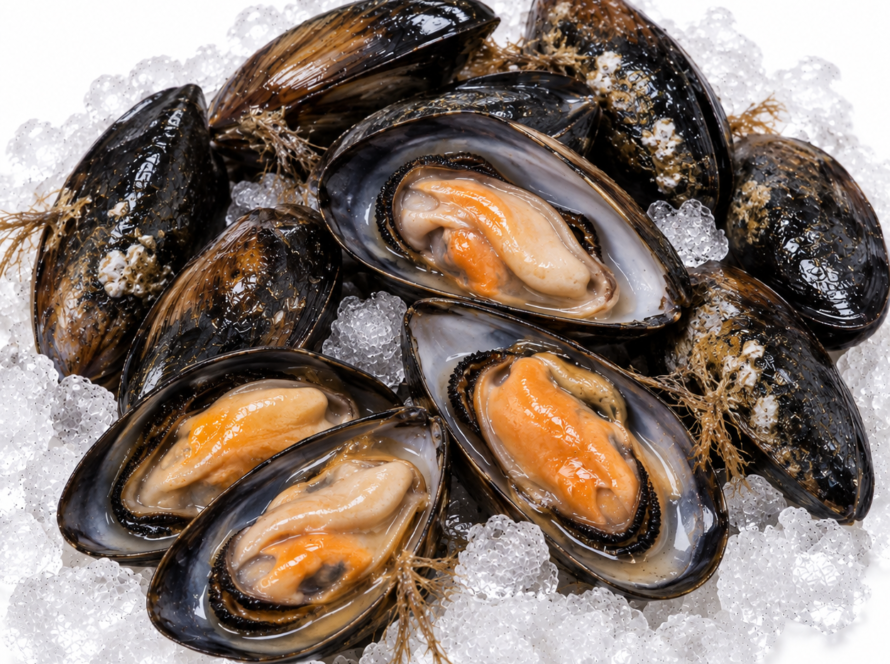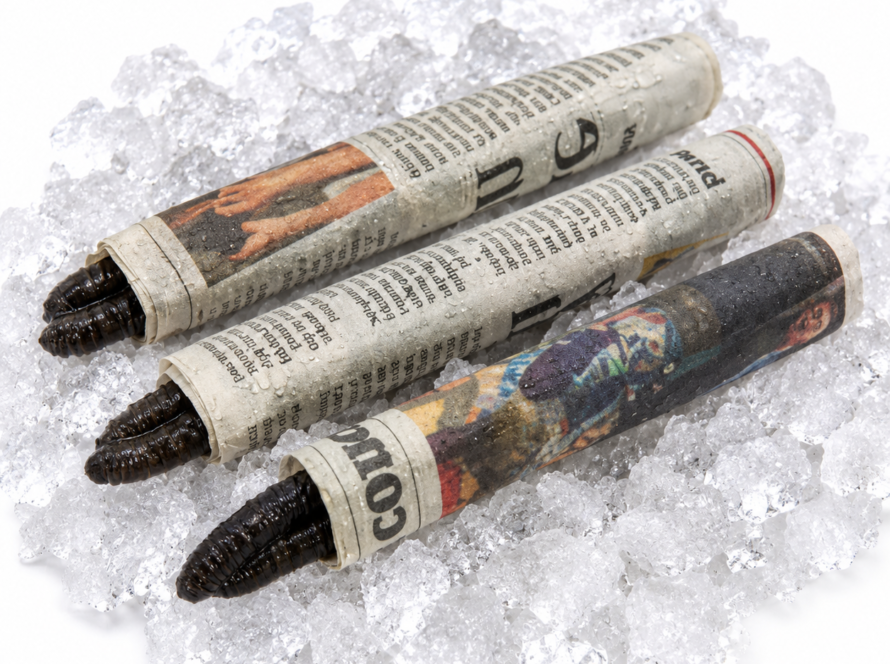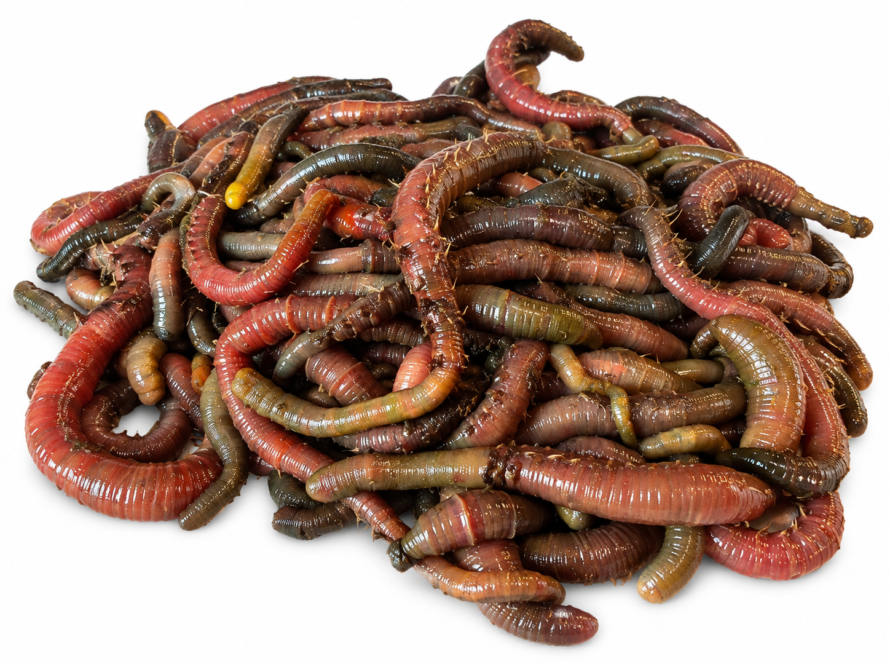
Please note that all fresh baits are subject to availability for more info please contact the shop on: 07368873039

Your Basket 1 item - £5.00 1
Cart

FREE UK Mainland* Delivery on all orders over £100

1 item - £5.00 1

Atlantic Cod (Gadus morhua)

UK Sea Fish Species Guide | Squids In! SEA BAITS

Atlantic cod are one of the best-known fish encountered by UK sea anglers. With their powerful, stocky bodies, distinctive chin barbels and appetite for a wide range of natural baits, cod are a popular target from beaches, piers, rocky marks and boats.

Whether you’re hoping to catch your first codling or searching for a larger winter cod, understanding where these fish feed, when they move inshore and which baits work best can help you make the most of your fishing sessions.

How to Identify Atlantic Cod

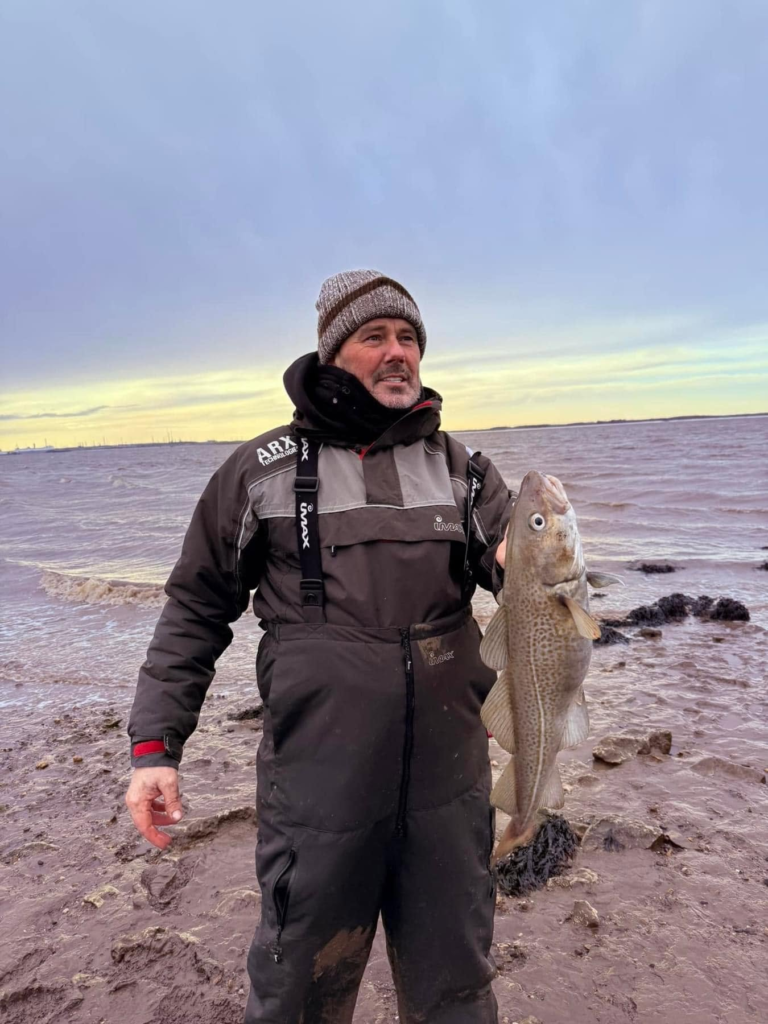
Atlantic cod are relatively heavy-bodied fish with a large head, broad mouth and a characteristic mottled appearance.

Their most recognisable features include:

  • Three dorsal fins along the back and two anal fins underneath.

  • A prominent chin barbel, resembling a short whisker beneath the lower jaw.

  • A pale, curved lateral line running along each side of the body.

  • A large mouth, with the upper jaw usually extending beyond the lower jaw.

  • Variable colouring, from sandy brown and olive-green to reddish-brown, often with darker spots and a pale underside.

Colour varies according to habitat. Cod living around kelp and rocky ground can appear darker than those found over sand.

Cod can be confused with other members of the cod family, particularly when young. The combination of the chin barbel, pale lateral line and three dorsal fins is especially useful for identification.

Also known as

Cod, codling (usually referring to smaller, immature cod)

IUCN Status

An IUCN status is a standardized global rating that indicates how close an animal, plant, or fungus species is to extinction

.

Vulnerable

IUCN Red List Conservation Status

Atlantic cod are listed as Vulnerable on the IUCN Red List, reflecting conservation concerns across the species’ wider range.

Best Baits for Cod Fishing

Atlantic cod are opportunistic predators and scavengers, feeding on a wide range of marine animals.

This varied diet helps explain why cod respond to many different natural fishing baits.

Black Lugworm and Blow Lug are a traditional cod bait, particularly on beaches and estuary marks.

Large worm baits can be effective when cod are feeding close to the seabed. Several worms can be presented together to create a substantial scent trail.

Squid is a versatile bait that can be used whole, in strips or combined with worms.

Its firm flesh can withstand casting and offers a useful option when fishing at distance.

.

Peeler crab can be effective around rocky ground, estuaries and areas where cod naturally encounter crabs.

Secure soft crab baits carefully with bait elastic.

Fresh or properly frozen fish strips, including suitable oily fish baits, can appeal to cod feeding on smaller fish.

Choose bait size and hook arrangement to suit the expected fish and casting conditions.

Combining different baits can create a larger offering.

Popular examples include:

Where to Catch Cod in the UK

Atlantic cod occur around Britain and Ireland, although their abundance varies by region.

Popular types of cod fishing ground include:

Look for deeper gullies, sandbanks, channels and areas where food is carried by tidal movement. Fish may move along these features while searching for worms, crustaceans and small fish.

Rough ground can provide shelter and feeding opportunities. Cod may hunt around rocks, kelp-covered areas and mixed seabeds where crabs and other prey are present.

Strong tackle and suitable rigs can help reduce tackle losses.

Structures providing access to deeper water can be productive, particularly when they are close to tidal channels or mixed ground.

Larger cod may be found around wrecks, reefs and offshore banks where prey fish gather.

Boat anglers often use baited rigs or lures to target these areas.

The North East of England, Yorkshire, Lincolnshire and East Anglia have longstanding traditions of winter shore cod fishing.

Scottish and other northern waters also offer cod fishing opportunities, while catches in southern regions can be more variable.

No coastline guarantees cod. Local catch reports, seasonal conditions and knowledge of the seabed are more useful than relying on a location’s reputation alone.

Cod Fishing Regulations in the UK

The UK government’s published minimum conservation reference size for Atlantic cod is 35 cm.

However, additional local minimum sizes, restrictions or other requirements may apply, particularly within inshore waters. Rules can also differ between England, Scotland, Wales and Northern Ireland.

Before fishing, check the latest regulations for your location.

For the current published reference sizes, visit the UK Government’s minimum conservation reference size guidance.

Return undersized fish carefully and promptly, where required, and consider releasing larger breeding fish.

Best Time to Catch Cod in the UK

For many UK shore anglers, cod fishing is associated with autumn and winter.

As coastal waters cool, codling may become more accessible from suitable shore marks. Autumn can be a productive time to explore beaches, estuaries and mixed-ground venues.

Winter is traditionally a prime shore-cod season in many parts of England, particularly along the North Sea coast.

Strong tides, coloured water and periods of unsettled weather can produce feeding opportunities, provided conditions are safe.

Cod can still be caught in spring, especially in cooler northern waters and deeper areas. Results vary considerably by region.

Summer shore catches can be less consistent in warmer southern waters, although cod may remain available in cooler northern locations, deeper water and suitable offshore marks.

UK Shore Caught Record

Atlantic Cod

RECORD WEIGHT

44lb 8oz (20.18kg)

B. Jones (Brandon Jones)

Tom's Point, Barry, Glamorgan, South Wales

Year: 1966

Best Rigs for Cod Fishing

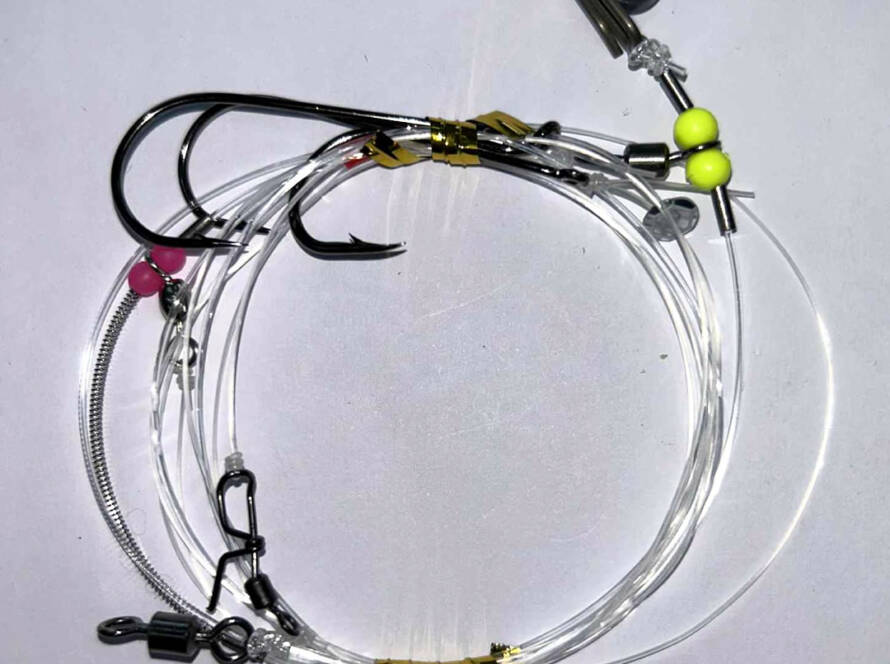
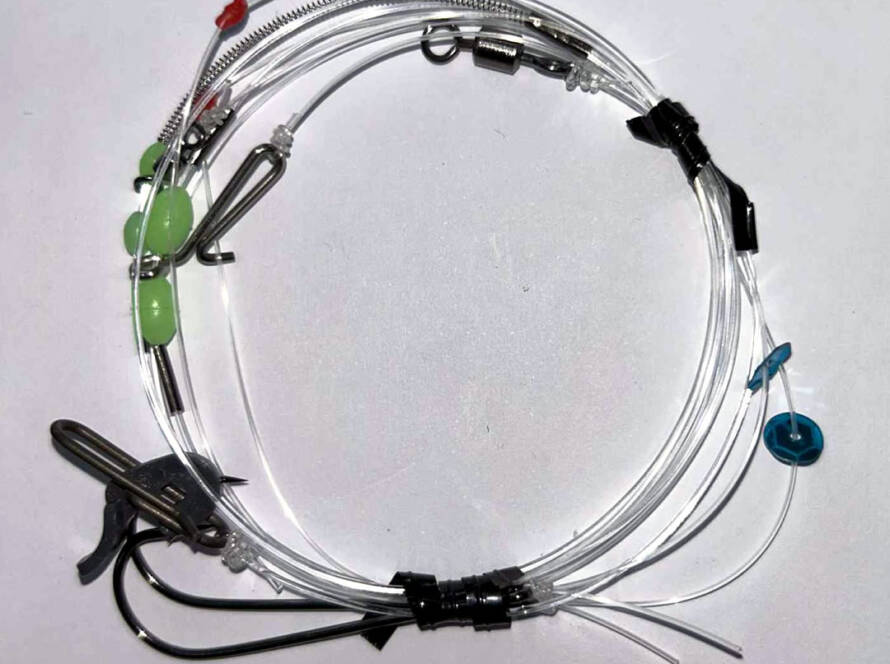
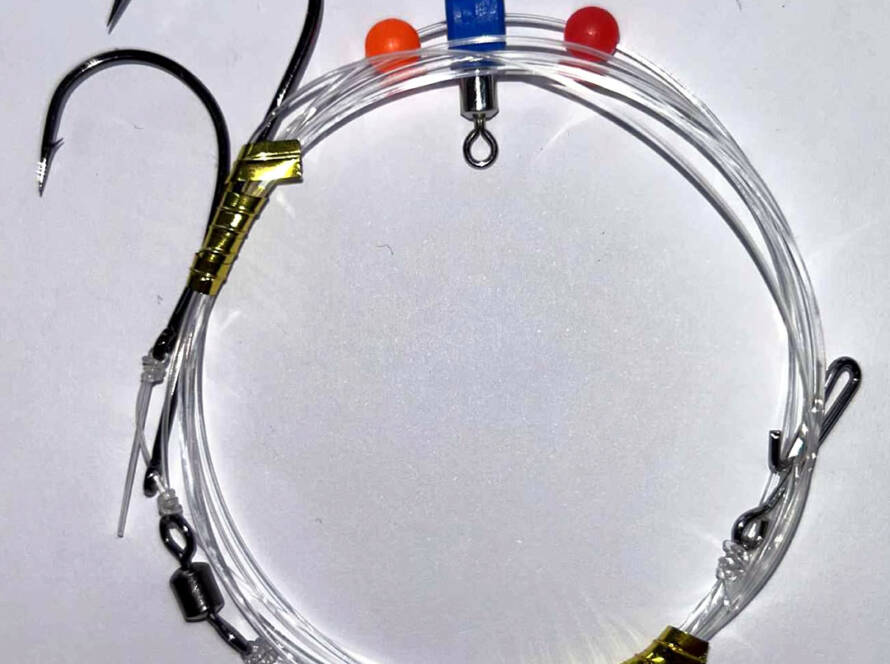
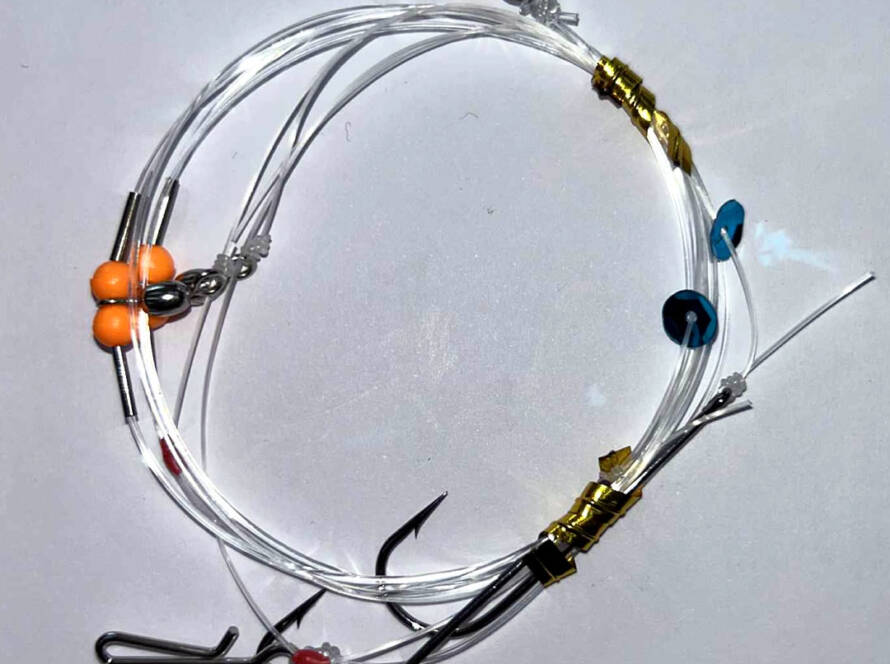
Choosing the right rig is essential when targeting cod, as ground conditions, tidal strength and casting distance all affect bait presentation and fishing efficiency. Matching your rig, hook size, snood length and lead weight to the conditions can reduce tackle losses, improve bait presentation and increase your chances of landing a quality cod.

A pulley rig is useful over rough or mixed ground, particularly where lifting a hooked fish clear of snags is important.

A clipped-down rig helps streamline the bait during casting, making it useful when additional distance is needed

An up-and-over rig is a popular UK sea fishing rig designed to allow anglers to use a long hook length while keeping the bait streamlined for distance casting. It’s particularly effective when targeting cod, rays and other bottom-feeding species.

A loop rig is a popular two-hook sea fishing rig designed for long-distance casting while presenting two separate baits on the seabed. It’s particularly effective for targeting cod, whiting and other bottom-feeding species from UK beaches.

Best Rigs for Cod Fishing

Interested in learning about other fish found around the British coastline?

Visit our UK Sea Fish Species Guide to discover identification tips, habitats, fishing seasons and recommended baits for other UK species.

Cart1