


Bass
Showing 1–12 of 21 results
-
From £6.00This product has multiple variants. The options may be chosen on the product page
-
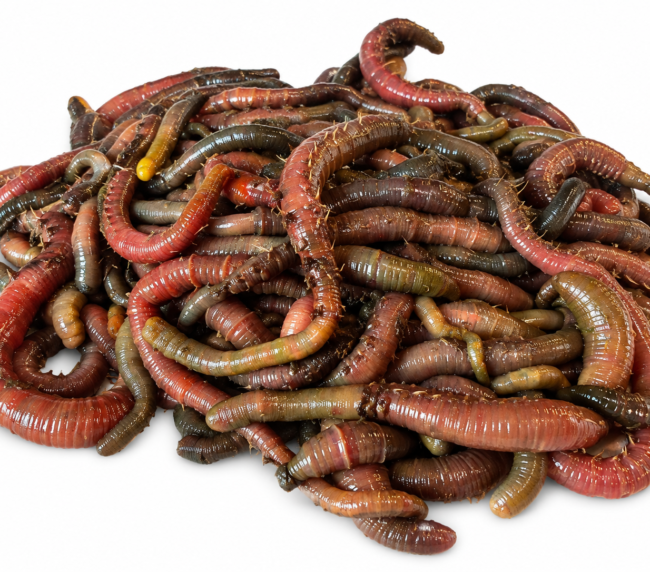 From £7.50This product has multiple variants. The options may be chosen on the product page
-
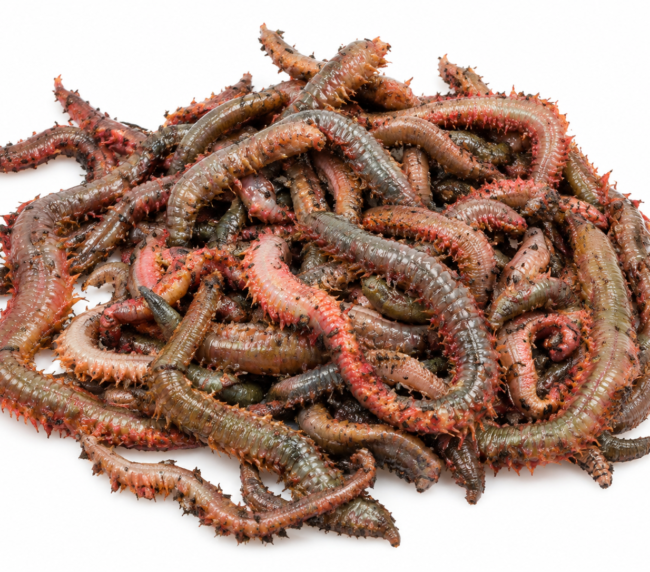 From £6.00This product has multiple variants. The options may be chosen on the product page
-
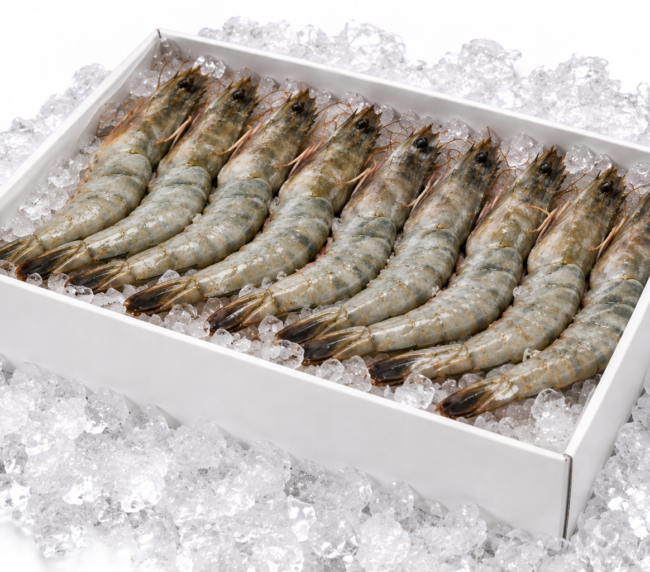
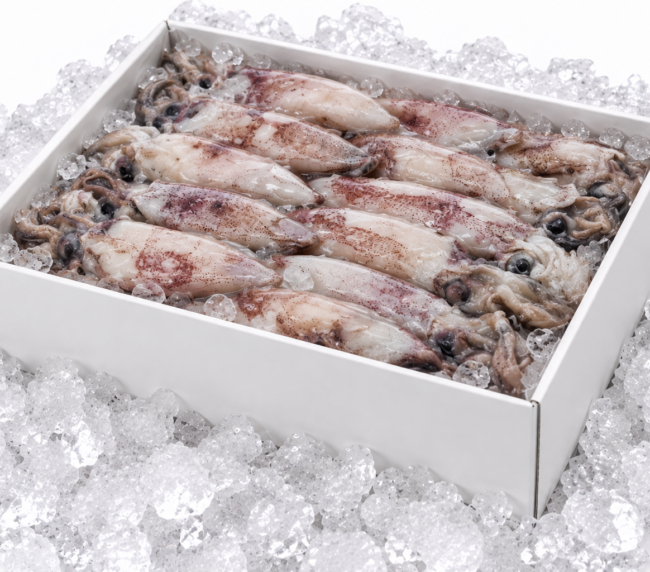


Best Bait for Bass – UK Sea Bass Fishing Baits, Rigs & Expert Tips
Looking for the best bait for bass fishing in the UK? Choosing the right bait can improve your chances of catching fish. Whether you’re fishing from a beach, pier, rocky shore or estuary, natural bait is a great place to start.
European sea bass (Dicentrarchus labrax) are strong, fast predators. They feed on crabs, prawns, worms and smaller fish. As a result, several types of sea fishing bait can work well.
Bass often hunt close to shore, especially around breaking waves and rocks. Therefore, you don’t always need to cast far. In fact, some of the best bass fishing takes place just beyond the surf.
At Squids In! SEA BAITS, we supply quality fresh and frozen sea fishing bait. We’re based in Goxhill near the River Humber. In addition, we help anglers across the UK prepare for their next fishing trip.
Below, we’ll cover the best baits for bass, useful rigs and seasonal fishing tips. We’ll also look at the UK shore-caught record and bass fishing around the Humber.
What Is the Best Bait for Bass?
The best bait for bass depends on the fishing location, tide and natural food available.
For example, peeler crab works well around rocks and estuaries. Meanwhile, ragworm and lugworm are useful on sandy beaches.
Bass also hunt smaller fish. Therefore, sandeel, squid and mackerel can be good choices when fish are chasing prey.
Best Bass Fishing Baits at a Glance
| Bait | Best Used For |
|---|---|
| Peeler crab | Rocky ground, estuaries and mixed seabeds |
| Ragworm | Sandy beaches, surf and estuaries |
| Blow lugworm | Sandy beaches and shallow water |
| Black lugworm | Beach fishing and larger worm baits |
| Squid | Strong tides, coloured water and larger baits |
| Sandeel | Bass feeding on small fish |
| Mackerel | Fish baits and larger bass |
| Prawns and shrimps | Rocks, harbours and estuaries |
Although all these baits can catch bass, some work better in certain conditions. For this reason, carrying a few different baits is a good idea.
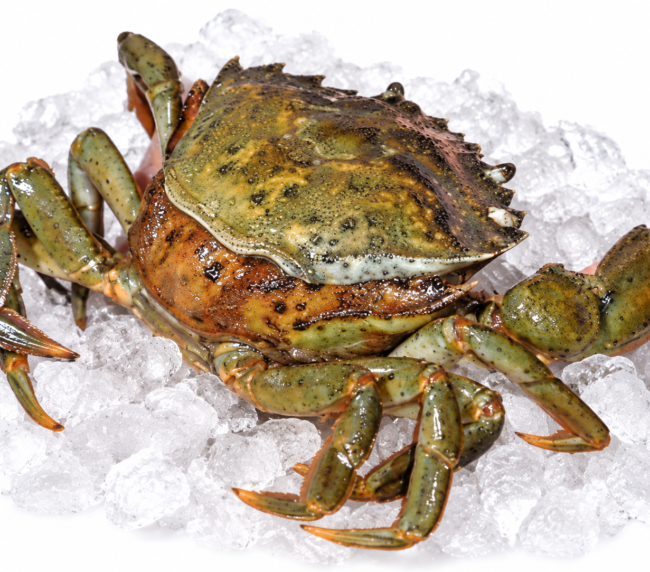
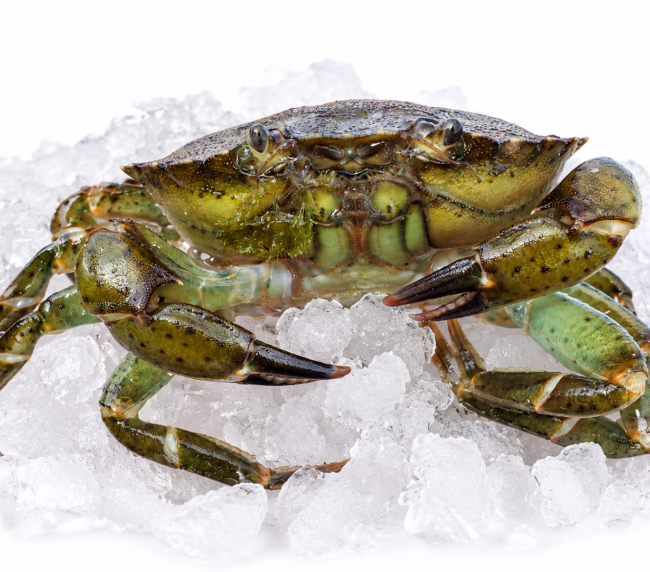
1. Peeler Crab – One of the Best Baits for Bass
Peeler crab is one of the most popular natural baits for bass fishing in the UK.
Bass often feed on crabs around rocks, harbour walls and estuaries. Therefore, peeler crab is an excellent choice when fishing these areas.
Its soft body releases a natural scent into the water. In addition, you can use it whole or in smaller sections.
Why Peeler Crab Works for Bass
- Natural food source for bass.
- Excellent around rocky ground.
- Useful in estuaries.
- Releases a natural scent.
- Can be used whole or in sections.
- Suitable for mixed seabeds.
Peeler crab is especially useful during warmer months when bass move into shallow water.
Top tip: Secure the crab with bait elastic. However, avoid wrapping it too tightly and leave the hook point exposed.
Shop: Frozen Peeler Crab
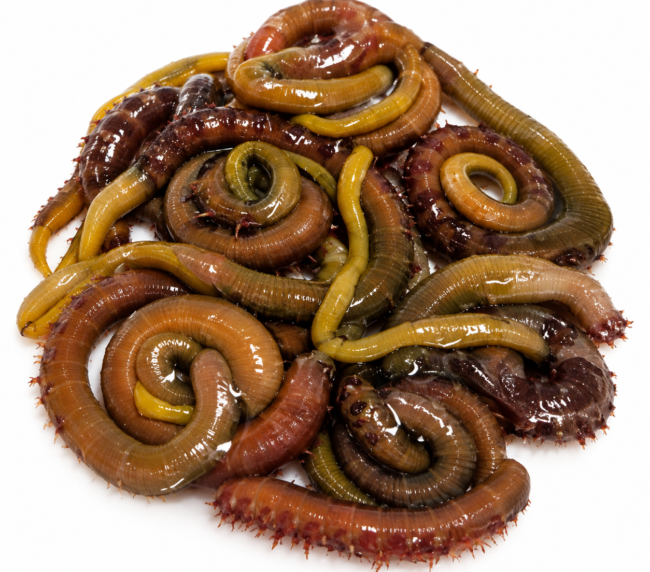
2. Ragworm – A Classic Bass Fishing Bait
Ragworm is a firm favourite among UK sea anglers.
It works well on sandy beaches, around estuaries and in shallow water. Because ragworm moves naturally, it can attract bass looking for food.
You can fish ragworm on its own or combine it with another bait.
Why Ragworm Works for Bass
- Natural movement attracts fish.
- Useful on sandy and mixed ground.
- Excellent for estuary fishing.
- Works well in shallow water.
- Suitable for small and large bass.
Bass often patrol beaches and tidal channels looking for worms. Therefore, ragworm is a good starting point.
Top tip: Try fishing close to the edge of a gully or channel. As the tide rises, bass may move into these areas to feed.
3. Blow Lugworm – An Excellent Beach Bass Bait
Blow lugworm is another popular bait for bass fishing.
It works especially well on sandy beaches and estuary marks. These areas often hold the worms that bass naturally feed on.
Because blow lugworm releases scent, it can attract fish searching for food along the seabed.
Why Blow Lugworm Works for Bass
- Natural food source.
- Excellent for sandy beaches.
- Useful in estuaries.
- Releases an attractive scent.
- Works well during rising tides.
You can use blow lugworm on its own. Alternatively, add a small strip of squid for a stronger bait.
Top tip: Try fishing close to the surf line. Bass often feed in shallow water, so a long cast isn’t always needed.
4. Black Lugworm – A Useful Bass Fishing Bait
Black lugworm is widely used for UK sea fishing.
Although many anglers use it for winter cod, it can also catch bass. Its natural scent makes it useful on sandy beaches and estuary marks.
You can use black lugworm on its own or combine it with squid. As a result, it’s a useful bait to carry when targeting several species.
Why Black Lugworm Works for Bass
- Releases natural scent.
- Useful on sandy beaches.
- Suitable for larger worm baits.
- Can be used fresh or frozen.
- Combines well with squid.
Top tip: Start with a smaller worm bait when targeting bass. Unlike some cod fishing methods, you don’t always need a large bait.
Shop: Black Lugworm Wraps
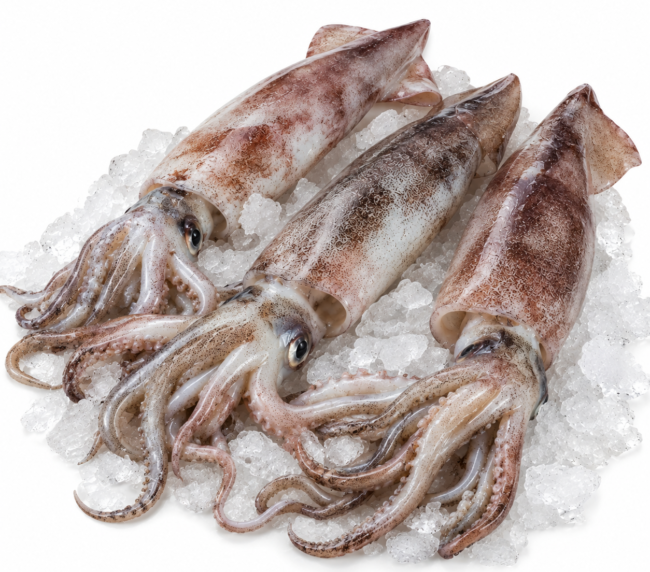
5. Squid – A Versatile Bait for Bass Fishing
Squid is another useful bait for bass, especially in coloured water and strong tides.
Because squid has tough flesh, it stays securely on the hook. You can also cut it into strips or use larger pieces.
Bass feed on many types of prey. Therefore, squid is worth carrying alongside worms and crab.
Why Squid Works for Bass
- Releases natural scent.
- Tough flesh stays on the hook.
- Suitable for long-distance casting.
- Useful in strong tides.
- Combines well with worms.
- Works from beaches, rocks and piers.
Top tip: Try a narrow strip of squid rather than a large whole bait. Smaller strips can move more naturally in the tide.
Shop: Unwashed Illex Squid
6. Sandeel – A Natural Fish Bait for Bass
Sandeels are an important food source for bass around many UK beaches.
When bass are chasing small fish, sandeel can be one of the best natural baits.
You can use whole sandeel or smaller sections. However, the bait size should match the fish you’re targeting.
Why Sandeel Works for Bass
- Natural prey for bass.
- Excellent when fish are chasing baitfish.
- Useful around sandy beaches.
- Suitable for surf fishing.
- Can attract larger fish.
Sandeel can work especially well near sandbanks and tidal channels.
Top tip: Watch for diving seabirds and small fish breaking the surface. These signs may show where bass are feeding.
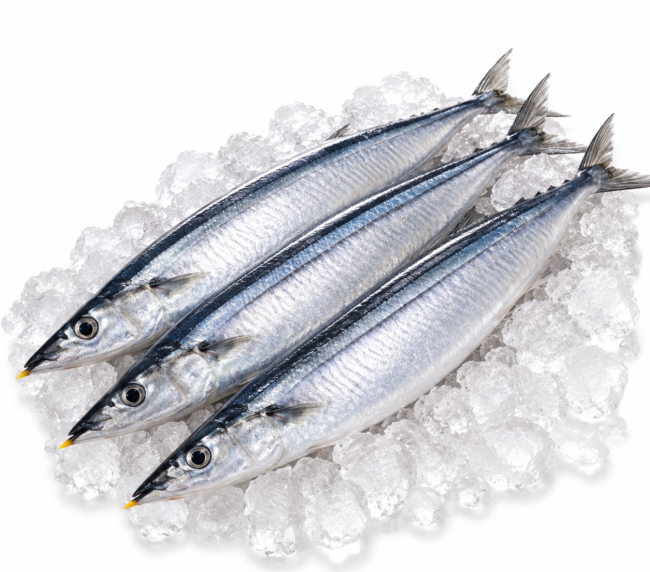
7. Mackerel – A Fish Bait for Larger Bass
Mackerel can work well when bass are feeding on smaller fish.
Its natural oils release scent into the water. Meanwhile, the skin helps keep the bait together during casting.
You can use narrow strips or larger pieces. However, smaller strips often give a more natural presentation.
Why Mackerel Works for Bass
- Releases natural fish oils.
- Useful when bass are feeding on fish.
- Suitable for larger baits.
- Can be cut into different sizes.
- Works in deeper water.
Although mackerel can catch bass, worms and crab may be more reliable at some marks.
Top tip: Keep the skin attached when cutting strips. Then secure the bait carefully to stop it coming off during casting.
Shop: Browse Frozen Sea Fishing Baits
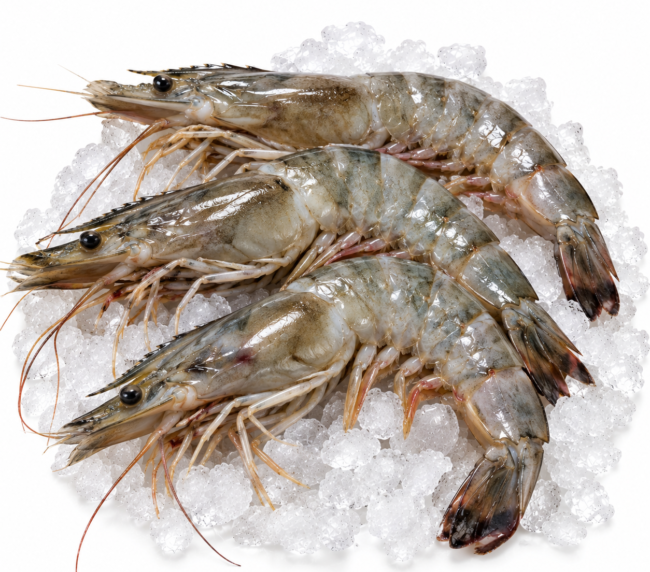
8. Prawns and Shrimps – A Natural Bass Bait
Bass often feed on prawns and shrimps around rocks, harbours and estuaries.
As a result, these baits can work well when fish are searching for food close to the seabed.
You can use prawns whole or in sections. However, softer baits may need elastic to keep them on the hook.
Why Prawns Work for Bass
- Natural food source.
- Useful around rocky marks.
- Suitable for estuary fishing.
- Works near harbour structures.
- Offers an alternative to worms.
Top tip: Try fishing close to rocks or harbour walls. Bass may move into these areas to hunt small creatures.
Best Bait for Bass Fishing From the Beach
Beach fishing is one of the most popular ways to catch bass in the UK.
Bass often feed close to shore, especially where waves stir up sand and uncover food. Therefore, the best bait depends on the beach and conditions.
Sandy Beaches
Ragworm, blow lugworm and sandeel are excellent starting points.
Bass may patrol shallow gullies and sandbanks as the tide rises.
Shingle Beaches
Squid, ragworm and fish baits can all work well.
However, local feeding conditions can affect which bait works best.
Surf Beaches
Worm baits are popular when fishing breaking waves.
In addition, peeler crab can be useful where the beach has rocky patches or mixed ground.
Estuary Beaches
Peeler crab, ragworm and blow lugworm are good choices.
Bass often move along tidal channels looking for food. As a result, fishing near a channel edge can be productive.
Top tip: Don’t always cast as far as possible. In fact, bass often feed just beyond the breaking waves.
Best Bait for Bass Fishing From Rocks and Piers
Rocky shorelines and piers can provide excellent bass fishing.
These areas often hold crabs, prawns and small fish. Therefore, bass may visit them to feed.
Peeler crab, ragworm, squid and prawns are all useful choices.
When fishing rocky ground, keep your bait presentation simple. In addition, use suitable tackle to reduce snagging.
Top tip: Look for moving water around rocks and harbour structures. Bass may wait nearby for food to wash past.
Always check local access rules before fishing.
Best Bass Fishing Rigs
Choosing the right rig helps you present bait naturally.
However, the best setup depends on the seabed, tide and casting distance.
Running Ledger Rig
A running ledger is a simple choice for bass fishing.
It allows the bait to sit on or near the seabed. Therefore, it works well on sandy beaches and estuaries.
Up-and-Over Rig
An up-and-over rig uses a longer hook length.
This gives the bait more movement in the tide. As a result, it’s a popular choice for bass fishing on clean ground.
Pulley Rig
A pulley rig is useful around mixed or rocky ground.
Its design can help reduce snagging during retrieval. Therefore, it’s worth trying when fishing rougher marks.
Two-Hook Flapper Rig
A two-hook flapper rig allows you to use two smaller baits.
It’s useful when searching for bass and other species. However, a single strong hook may be better for larger bass.
What Size Hooks Are Best for Bass?
Many anglers use strong hooks around 1/0 to 4/0 for bass fishing.
Smaller hooks can suit light worm baits. Meanwhile, larger hooks may be useful for crab and fish baits.
Always make sure the hook point remains exposed.
When Is the Best Time to Catch Bass in the UK?
Bass can be caught at different times of year.
However, late spring, summer and autumn are often the most popular seasons for shore fishing.
As the water warms, bass may move into shallow coastal areas to feed.
Spring – March to May
Bass activity can increase as the water begins to warm.
Peeler crab and ragworm are useful choices. However, March falls within the catch-and-release period under the relevant 2026 bass rules.
Summer – June to August
Summer is a popular time for bass fishing.
Fish may patrol beaches, rocky shores and estuaries. Therefore, peeler crab, ragworm, squid and sandeel are worth trying.
Early mornings and evenings can also be productive.
Autumn – September to November
Autumn can offer excellent bass fishing.
Bass may feed heavily on smaller fish before winter. As a result, sandeel, mackerel and squid can work well.
Worms and crab can also remain effective.
Winter – December to February
Bass fishing may become less reliable at some shore marks during winter.
However, fish can still be caught in suitable conditions.
Remember that February falls within the catch-and-release period under the relevant 2026 bass rules.
Best Tide for Bass Fishing
Tides play an important role in bass fishing.
Bass often use moving water to find food. Therefore, rising tides can be productive at many beaches and estuaries.
As the tide rises, fish may move into shallow areas.
However, the best stage of the tide depends on the fishing mark.
Rising Tide
A rising tide can bring bass closer to shore.
It may also carry worms, crabs and small fish into feeding areas.
High Water
High water can be productive around beaches, estuary walls and harbour structures.
However, some marks fish better before or after high tide.
Falling Tide
As the water falls, bass may move towards deeper channels.
Therefore, fishing near channel edges can be worth trying.
Top tip: Keep a record of the tides that produce bass at your favourite marks. Over time, this can help you plan better sessions.
How to Prepare Peeler Crab for Bass Fishing
Peeler crab is one of the most popular natural baits for bass.
However, good bait preparation is important because the flesh is soft.
How to Prepare the Bait
- Choose a suitable peeler crab.
- Remove any hard shell parts that affect the bait.
- Cut the crab into sections if needed.
- Place the bait carefully on the hook.
- Secure it with bait elastic.
- Leave the hook point exposed.
The finished bait should be secure enough for casting.
Top tip: Avoid using too much bait elastic. You want the bait to stay on the hook while still releasing natural scent.
Fresh vs Frozen Bait for Bass Fishing
Both fresh and frozen baits can catch bass.
However, the best choice depends on the bait type and fishing conditions.
Advantages of Fresh Bait
- Natural movement from live worms.
- Useful for smaller bait presentations.
- Popular for beach and estuary fishing.
Advantages of Frozen Bait
- Easy to store.
- Convenient for future sessions.
- Available in several bait types.
- Useful for keeping a selection ready.
Although fresh bait is popular, good-quality frozen crab, squid and fish baits can also work well.
At Squids In! SEA BAITS, we supply fresh and frozen sea fishing bait to help anglers prepare for their trips.
Browse Our Frozen Sea Fishing Baits
UK Shore-Caught Bass Record – How Big Can Bass Grow?
The official UK shore-caught European sea bass record is 19 lb 12 oz (8.958 kg).
Angler J. Stephenson-Locker caught this huge bass in 2012 at Portsmouth Dockyard, Hampshire.
The record shows how large European sea bass can grow.
However, most bass caught from UK beaches are much smaller. Even so, larger fish are highly prized by shore anglers.
Bass feed on small fish, crabs, prawns and worms. Therefore, peeler crab, squid and fish baits are popular choices when targeting bigger bass.
For the latest records, visit the British Record Fish Committee.
Can You Catch Bass in the River Humber?
Yes, European sea bass can be caught in the River Humber and along the nearby North Lincolnshire and East Yorkshire coastline.
Late spring, summer and early autumn are popular times to target them.
The Humber has tidal channels, sandbanks, muddy areas and coastal feeding grounds. These areas hold crabs, worms and small fish.
As a result, bass may move into the estuary to feed.
Where Can You Catch Bass Around the Humber?
Several fishing marks around the Humber are worth trying.
Goxhill
Goxhill is located on the southern bank of the Humber.
Bass can be caught here during warmer months. In particular, rising tides can provide feeding opportunities.
Ragworm, blow lugworm and squid are useful starting points.
For local advice, read our Goxhill Sea Fishing Guide.
East Halton Skitter
East Halton Skitter is another fishing mark on the southern bank.
Bass may move through the area during late spring and summer. Therefore, fishing around suitable tidal movement can be worth trying.
Ragworm, blow lugworm and squid are useful bait choices.
Read our East Halton Fishing Guide.
Stallingborough Wall
Stallingborough Wall provides access to the Humber Estuary.
Bass have been reported here during warmer months. As a result, it’s worth considering for a summer session.
Squid, ragworm and blow lugworm are suitable baits.
See our Stallingborough Wall Fishing Guide.
Cleethorpes
Cleethorpes offers sandy beaches and estuary fishing opportunities.
Bass can move into shallow water during suitable tides. Therefore, worm baits and squid are useful choices.
For more advice, visit our Cleethorpes Sea Fishing Guide.
Buck Beck Beach
Buck Beck Beach, near Humberston, is another mark worth considering.
Bass may feed around the beach during warmer months. In addition, rising tides can bring fish closer to shore.
Ragworm, blow lugworm and squid are popular choices.
Read our Buck Beck Beach Fishing Guide.
Spurn Head
Spurn Head sits at the mouth of the Humber Estuary.
Its sandy beaches and strong tides can provide bass fishing opportunities during warmer months.
However, access can change because of weather, erosion and conservation rules. Always check current restrictions before visiting.
Best Time to Catch Bass in the Humber
May to September is a useful starting period for targeting bass around many Humber marks.
As the water warms, bass may move into coastal and estuary feeding areas.
Rising tides and high water can be productive. However, the best conditions vary between locations.
Best Bait for Bass Fishing in the Humber
The most useful baits to try include:
- Ragworm: A good choice for sandy and muddy estuary marks.
- Blow lugworm: Useful around beaches and tidal channels.
- Squid: Suitable for strong tides and larger baits.
- Peeler crab: Worth trying around mixed ground.
- Black lugworm: An alternative worm bait.
- Sandeel: Useful when bass are feeding on small fish.
For anglers fishing around Goxhill, East Halton, Stallingborough and Cleethorpes, ragworm, blow lugworm and squid provide a good starting selection.
At Squids In! SEA BAITS, we’re based in Goxhill near the River Humber. We supply quality bait for local anglers and customers throughout the UK.
Explore our River Humber Fishing Marks and River Humber Fish Species Guide for more local advice.
Bass Fishing Rules in the UK – 2026
Bass are subject to fishing rules that help protect stocks.
Therefore, always check the latest regulations before keeping any fish.
For recreational rod-and-line fishing in England in 2026, the main rules are:
- 1 January to 31 January: Up to three bass per angler per day may be kept.
- 1 February to 31 March: Catch-and-release only.
- 1 April to 31 December: Up to three bass per angler per day may be kept.
- Minimum size: Bass must measure at least 42 cm before they can be kept.
These rules apply in the relevant waters. However, local restrictions may also apply.
Because rules can change, always check the latest official advice.
For more information, visit the Marine Management Organisation’s Bass Fishing Guidance.
Always return undersized bass carefully.
Frequently Asked Questions About Bass Fishing Bait
What Is the Number One Bait for Bass?
Peeler crab is one of the best natural baits for bass. However, ragworm, lugworm and sandeel can also work well.
Is Squid Good Bait for Bass?
Yes. Squid can catch bass, especially in coloured water and strong tides. In addition, its tough flesh stays securely on the hook.
What Is the Best Bait for Bass From the Beach?
Ragworm, blow lugworm and sandeel are popular choices. However, peeler crab can also work well around mixed ground.
Is Peeler Crab Good for Bass?
Yes. Peeler crab is a natural food source for bass. Therefore, it’s an excellent choice around rocks and estuaries.
Can You Catch Bass With Mackerel?
Yes. Mackerel strips can catch bass, particularly when fish are feeding on smaller baitfish.
What Is the Best Time of Year for Bass Fishing?
Late spring, summer and early autumn are popular times for UK shore fishing. However, the best season varies around the coast.
What Is the Best Tide for Bass?
Rising tides can be productive at many beaches and estuaries. However, some marks fish better around high water or the falling tide.
Do Bass Feed Close to Shore?
Yes. Bass often hunt in shallow water, especially around breaking waves and tidal channels. Therefore, long casts aren’t always needed.
What Size Hooks Are Best for Bass?
Many anglers use hooks around 1/0 to 4/0. However, the best size depends on the bait and target fish.
Can You Catch Bass in the River Humber?
Yes. Bass can be caught in the Humber and nearby coastal waters, particularly from late spring through early autumn.
What Is the UK Shore-Caught Bass Record?
The British shore-caught bass record is 19 lb 12 oz (8.958 kg). J. Stephenson-Locker caught the fish at Portsmouth Dockyard, Hampshire, in 2012.
Can You Keep Bass in the UK?
In England during 2026, anglers may keep up to three bass per day outside February and March. However, fish must meet the 42 cm minimum size, and other local restrictions may apply.
Responsible Bass Fishing in the UK
Bass are an important part of UK sea fishing. Therefore, careful handling helps protect future fishing opportunities.
When returning a fish, keep it out of the water for as little time as possible.
Use wet hands and remove the hook carefully. In addition, support the fish properly before release.
Always check current fishing rules and local restrictions.
For official advice, visit the Marine Management Organisation.
Buy Quality Bass Fishing Bait Online at Squids In! SEA BAITS
Whether you’re fishing a sandy beach, rocky shore or the River Humber, having the right bait gives you more options.
At Squids In! SEA BAITS, we supply quality natural sea fishing baits, including squid, lugworm, peeler crab and frozen fish baits.
We’re based in Goxhill near the River Humber. In addition, we supply anglers throughout the UK.
Get your bait ready for your next bass fishing session.
Explore River Humber Fishing Marks
Squids In! SEA BAITS – Quality Bait for Every Session.