


Haddock
Showing 1–12 of 18 results
-
From £6.00This product has multiple variants. The options may be chosen on the product page
-
 From £7.50This product has multiple variants. The options may be chosen on the product page
-
 From £6.00This product has multiple variants. The options may be chosen on the product page
-

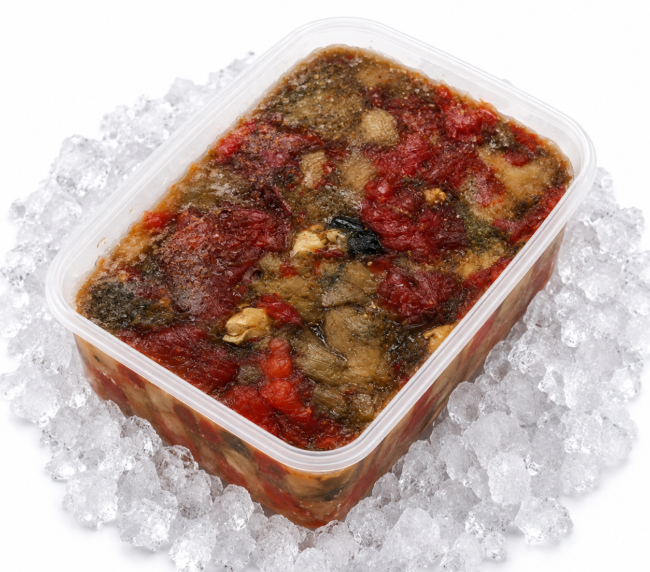
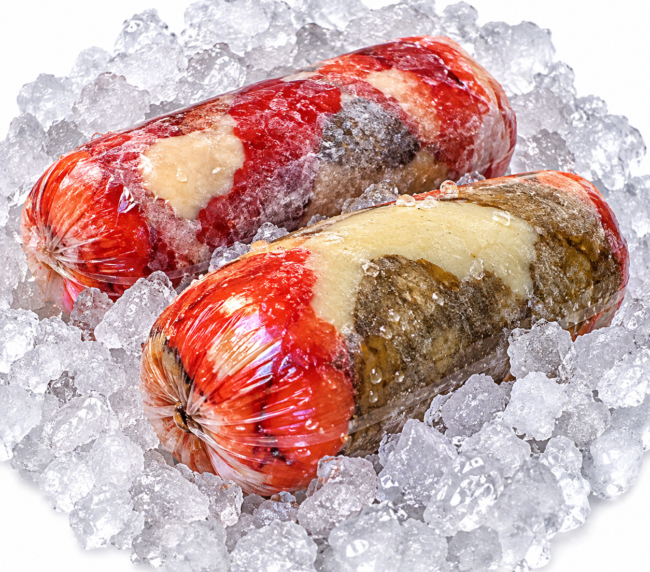
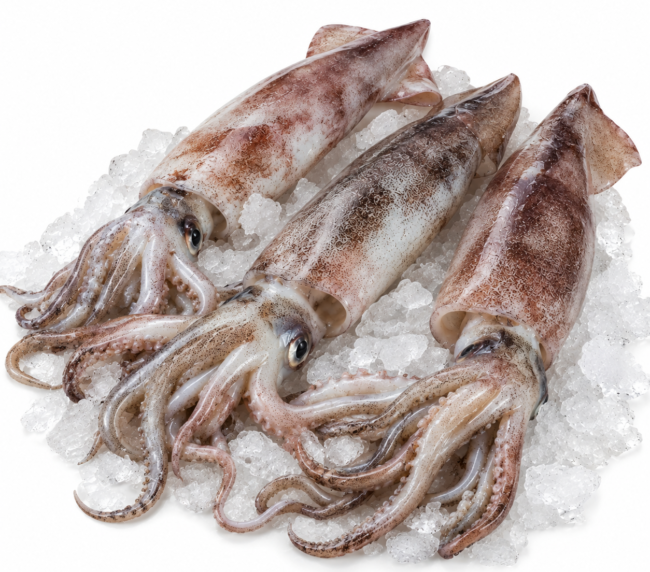
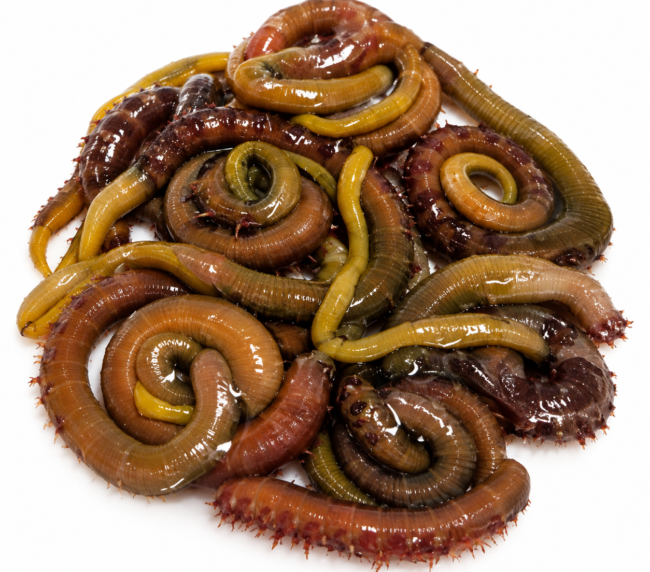
Best Bait for Haddock – UK Fishing Baits, Rigs & Expert Tips
Looking for the best bait for haddock fishing in the UK? Mussels, lugworm, ragworm and squid are excellent choices. However, the best bait depends on where you’re fishing and the food available on the seabed.
Haddock (Melanogrammus aeglefinus) belong to the cod family. They live mainly in deeper, cooler water and feed close to the seabed. As a result, natural baits that attract bottom-feeding fish work well.
Unlike cod, haddock often prefer smaller food. Therefore, neat baits and smaller hooks can be more effective than large fish baits.
At Squids In! SEA BAITS, we supply quality fresh and frozen sea fishing bait. We’re based in Goxhill near the River Humber. In addition, we supply anglers across the UK.
In this guide, we’ll cover the best baits for haddock, useful rigs and fishing tips. We’ll also look at the British shore-caught record and whether haddock can be caught around the Humber.
What Is the Best Bait for Haddock?
The best bait for haddock is often mussel, lugworm or ragworm.
Haddock search the seabed for worms, shellfish and other small creatures. Therefore, these natural baits are excellent starting choices.
For example, mussels release scent into the water. Meanwhile, ragworm and lugworm provide familiar food for fish feeding over sand and mud.
Squid, razorfish and small fish strips can also work. However, large baits are not usually needed.
Best Haddock Fishing Baits at a Glance
| Bait | Best Used For |
|---|---|
| Mussels | Deep water, boat fishing and shore marks |
| Black lugworm | Beach fishing and worm bait cocktails |
| Blow lugworm | Sandy ground and smaller baits |
| Ragworm | Mixed ground, beaches and deep-water marks |
| Squid | Strong tides and durable bait presentations |
| Razorfish | Sandy seabeds and shellfish baits |
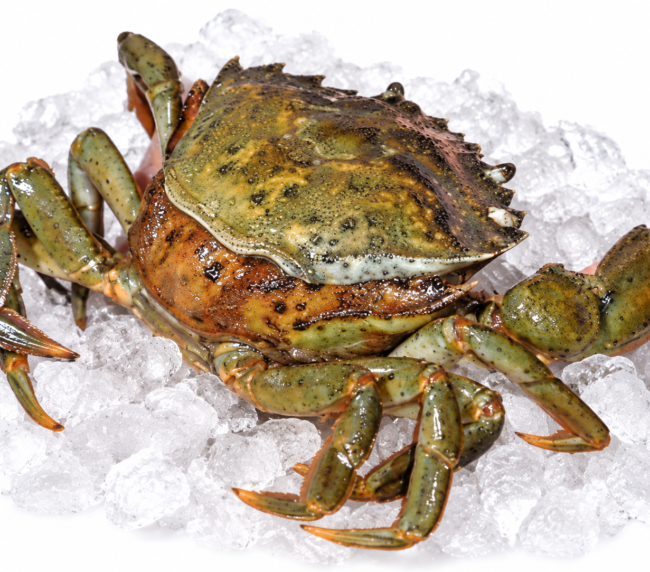
| Peeler crab | Mixed ground and alternative baits |
| Mackerel strips | Small fish baits and mixed-species fishing |
Although all these baits can catch haddock, mussels and worms are often the first choices. For this reason, carrying a selection is a good idea.
1. Mussels – One of the Best Baits for Haddock
Mussels are among the most popular natural baits for haddock fishing.
Haddock feed on shellfish and other small creatures living near the seabed. Therefore, mussels are a natural choice.
Their soft flesh releases scent into the water. In addition, mussels can be combined with worms to create a larger bait.
Why Mussels Work for Haddock
- Natural shellfish bait.
- Releases scent into the water.
- Useful for deeper-water fishing.
- Suitable for smaller hooks.
- Combines well with lugworm.
- Popular for boat fishing.
Mussels can be used on their own or with other baits. However, their soft flesh may need securing with bait elastic.
Top tip: Use a small piece of mussel and wrap it lightly with bait elastic. This helps keep the bait on the hook.
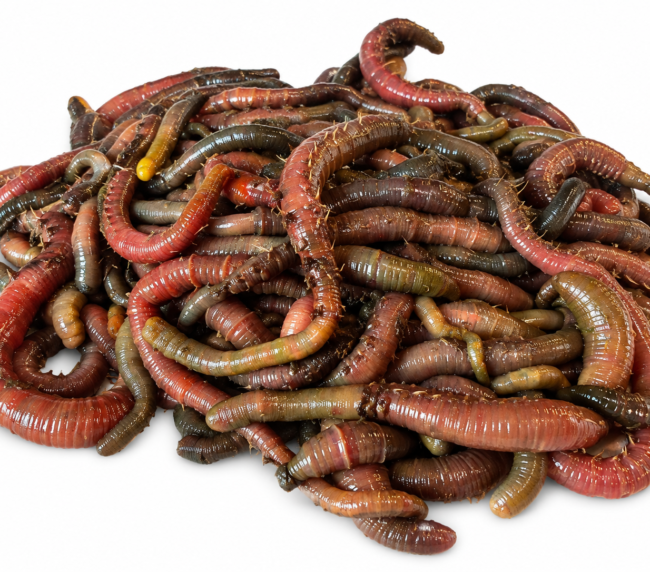
2. Black Lugworm – A Reliable Haddock Fishing Bait
Black lugworm is a popular bait for many UK sea fish, including haddock.
Its natural scent can attract fish searching for food near the seabed. As a result, it’s useful on sandy and mixed ground.
You can use black lugworm fresh or frozen. In addition, it combines well with squid or mussels.
Why Black Lugworm Works for Haddock
- Releases natural scent.
- Useful on sandy seabeds.
- Suitable for deep-water fishing.
- Can be used fresh or frozen.
- Combines well with shellfish.
- Can attract cod and whiting too.
Although large black lugworm baits work well for cod, smaller sections are often enough for haddock.
Top tip: Start with a neat worm bait. Then add a small piece of mussel if you want to try a bait cocktail.
Shop: Black Lugworm Wraps
3. Blow Lugworm – A Natural Bait for Haddock
Blow lugworm is another useful bait for haddock.
These worms live in sandy and muddy ground. Therefore, they are a natural food choice for fish feeding along the seabed.
Blow lugworm releases scent and can be used in smaller sections.
Why Blow Lugworm Works for Haddock
- Natural worm bait.
- Useful on sandy ground.
- Releases scent into the water.
- Suitable for smaller hooks.
- Works well with mussels.
- Can attract other bottom-feeding fish.
You can use blow lugworm on its own. Alternatively, try adding a small squid strip.
Top tip: Keep the bait small enough for the fish to take easily. Haddock don’t always need a large presentation.
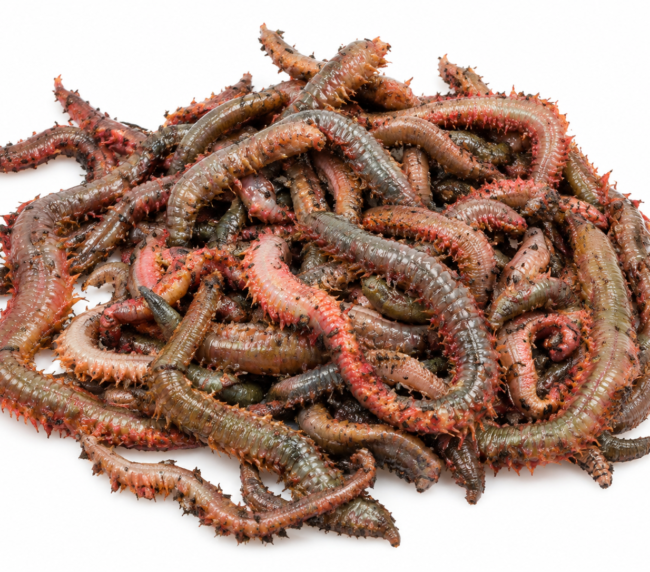
4. Ragworm – A Classic Haddock Fishing Bait
Ragworm is widely used by UK sea anglers.
Its natural movement can attract fish looking for food. In addition, it works well over sand and mixed seabeds.
Haddock may take ragworm when feeding on worms and other small creatures.
Why Ragworm Works for Haddock
- Natural movement can attract fish.
- Useful on sandy and mixed ground.
- Suitable for small bait presentations.
- Works well on flapper rigs.
- Can be combined with shellfish.
Ragworm can be used whole or in smaller sections. However, avoid covering the hook point.
Top tip: Try ragworm on one hook and mussel on another. This lets you see which bait works best.
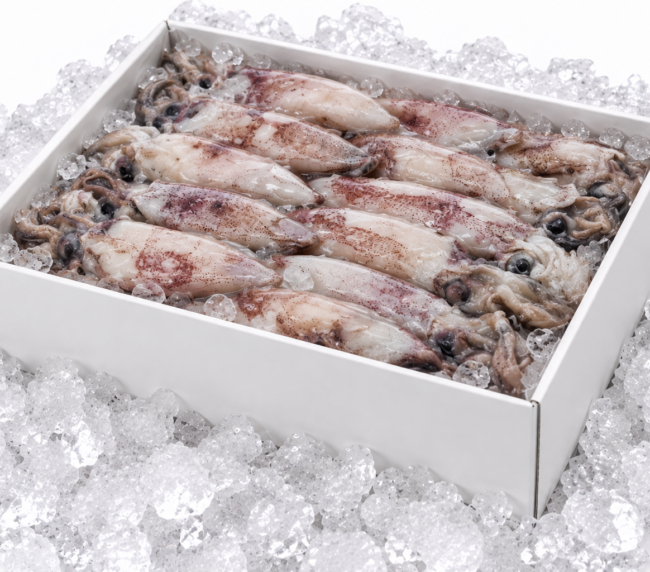
5. Squid – A Tough Bait for Haddock Fishing
Squid can also catch haddock, especially when fishing in deeper water or strong tides.
Because squid has tough flesh, it stays securely on the hook. In addition, it can be cut into small strips.
Haddock often prefer smaller food. Therefore, thin squid strips are usually a better starting point than whole squid.
Why Squid Works for Haddock
- Tough flesh stays on the hook.
- Useful in strong tides.
- Easy to cut into small strips.
- Suitable for boat fishing.
- Combines well with worms.
- Can attract other sea fish.
Although squid is not always the first choice, it can be useful when fishing for several species.
Top tip: Add a narrow squid strip to a worm bait. The squid can help create a durable bait for casting.
Shop: Unwashed Illex Squid
6. Razorfish – A Shellfish Bait for Haddock
Razorfish is another natural bait worth trying for haddock.
Like mussels, razorfish releases scent into the water. Therefore, it can attract fish searching for shellfish along the seabed.
You can cut razorfish into smaller sections or combine it with worms.
Why Razorfish Works for Haddock
- Natural shellfish bait.
- Releases scent into the water.
- Useful on sandy seabeds.
- Suitable for smaller presentations.
- Combines well with lugworm.
However, razorfish flesh can be soft. For this reason, bait elastic may help keep it secure.
Top tip: Try a small piece of razorfish with black lugworm. This gives you two natural bait types on one hook.
7. Peeler Crab – An Alternative Haddock Bait
Peeler crab is not always the first bait anglers choose for haddock.
However, haddock feed on a range of small seabed creatures. Therefore, crab can be worth trying on suitable mixed ground.
Its soft body releases scent into the water. In addition, small sections can be used on lighter hooks.
Why Peeler Crab Can Work for Haddock
- Natural sea fishing bait.
- Releases scent into the water.
- Useful around mixed ground.
- Can be cut into smaller sections.
- Offers an alternative to worms.
Although crab can catch haddock, mussels and worms are generally more established choices.
Top tip: Use a small crab section rather than a large whole bait.
Shop: Frozen Peeler Crab
8. Mackerel Strips – A Fish Bait for Haddock
Mackerel can also be used when fishing for haddock.
Larger haddock sometimes feed on small fish. As a result, narrow fish strips can be worth trying.
However, haddock often respond better to worms and shellfish.
Why Mackerel Can Work for Haddock
- Releases natural fish oils.
- Easy to cut into small strips.
- Useful for mixed-species fishing.
- Suitable for deeper water.
- Can be combined with other baits.
Top tip: Cut a thin strip with the skin attached. Then leave the hook point exposed.
Shop: Browse Frozen Sea Fishing Baits
Best Bait Cocktail for Haddock
A black lugworm and mussel cocktail is a useful combination for haddock.
The worm provides natural scent, while the mussel adds a shellfish bait. As a result, the finished bait offers two food types.
How to Make a Lugworm and Mussel Cocktail
- Choose a suitable small hook.
- Add a section of black lugworm.
- Place a small piece of mussel alongside it.
- Secure the mussel with bait elastic if needed.
- Keep the finished bait neat.
- Leave the hook point exposed.
You can also try a lugworm and squid cocktail.
Top tip: Avoid making the bait too large. A small, well-presented bait is often a good choice for haddock.
Best Haddock Fishing Rigs
Haddock feed close to the seabed. Therefore, bottom-fishing rigs are usually the best choice.
Simple rigs can work very well, especially when using smaller baits.
Two-Hook Flapper Rig
A two-hook flapper rig is a popular choice for haddock.
It allows you to present two different baits. In addition, you can fish both hooks close to the seabed.
Three-Hook Flapper Rig
A three-hook flapper rig offers another useful option.
Because it carries three hooks, you can test several bait types during the same cast.
However, always check local rules and use a setup you can handle safely.
Running Ledger Rig
A running ledger is a simple bottom-fishing rig.
It works well on clean ground and can present bait naturally. Therefore, it is useful for haddock and other bottom-feeding fish.
Boat Fishing Rig
Boat anglers often use multi-hook rigs for haddock.
These rigs can present several small baits close to the seabed. In addition, they can help anglers test different depths just above the bottom.
What Size Hooks Are Best for Haddock?
Many anglers use hooks around size 2 to 1/0 for haddock.
However, the best size depends on the bait and fish you’re targeting.
Smaller hooks are useful for mussels and worm sections. Meanwhile, larger hooks may suit bigger fish.
Always keep the hook point exposed.
Where Is the Best Place to Catch Haddock in the UK?
Haddock prefer cooler, deeper water.
They are often found over sand, mud, gravel and mixed seabeds. However, they are much more common offshore than close to the beach.
Deep-Water Shore Marks
Some deep-water shore marks can produce haddock.
These include suitable sea lochs, deep piers and areas where deep water comes close to shore.
However, haddock remain an uncommon shore catch in many parts of the UK.
Boat Fishing Grounds
Boat fishing often gives anglers a better chance of catching haddock.
Boats can reach deeper seabeds where the fish feed. As a result, many haddock are caught well away from shore.
North-east Scotland
The waters around north-east Scotland are well known for haddock.
Because deeper, cooler water is common in this region, it provides suitable habitat.
Northern North Sea
Haddock are also found in the northern North Sea.
However, the best fishing grounds are often offshore rather than close to the coast.
Top tip: If haddock are your main target, look for deep water and recent local catch reports before planning a trip.
When Is the Best Time to Catch Haddock in the UK?
Haddock can be caught throughout the year in suitable offshore areas.
However, the best season varies with location, water depth and fish movement.
Spring – March to May
Haddock can be caught in deeper water during spring.
Worms and mussels are useful baits. In addition, boat fishing can provide access to feeding grounds.
Summer – June to August
Summer can offer good haddock fishing in northern waters.
However, many fish remain offshore. Therefore, boat fishing is often the better choice.
Autumn – September to November
Autumn can be a useful time for haddock fishing.
Mussels, lugworm and squid are worth trying. Meanwhile, some deep-water shore marks may produce occasional fish.
Winter – December to February
Haddock can still be caught during winter.
However, weather and sea conditions can limit fishing opportunities.
For this reason, always check forecasts and local reports before travelling.
Best Tide for Haddock Fishing
Tides can affect how haddock feed.
Moving water carries bait scent along the seabed. Therefore, a steady tide can help fish find your bait.
However, very strong tides can make it difficult to keep a small bait near the bottom.
Rising Tide
A rising tide can be useful at some shore marks.
In addition, it may bring feeding fish closer to areas with suitable depth.
High Water
High water can provide access to deeper water from some piers and shore marks.
However, the best time depends on the location.
Falling Tide
A falling tide can also produce haddock.
Therefore, it is worth testing different stages of the tide.
Top tip: Keep a record of successful tides and bait choices. Over time, this can help you find the best conditions.
How to Tell Haddock From Cod
Haddock and cod belong to the same family.
However, several features can help you tell them apart.
Haddock
- Dark line running along the side.
- Black mark above the front side fin.
- Smaller mouth than cod.
- Short chin barbel.
- Usually slimmer in shape.
The dark mark is often called the haddock thumbprint.
Cod
- Pale line running along the side.
- No dark thumbprint.
- Larger mouth.
- More mottled body colour.
- Usually a heavier build.
Because both species can be caught in the North Sea, correct identification is important.
For more information, read the British Sea Fishing Haddock Guide.
UK Shore-Caught Haddock Record – How Big Can They Grow?
The official UK shore-caught haddock record is 6 lb 12 oz (3.061 kg).
Angler G. B. Stevenson caught this fish in 1976 at Loch Goil, Scotland.
The record is especially impressive because haddock are rarely caught from shore.
Most haddock caught by UK anglers are much smaller. However, larger fish can be found in suitable deep-water areas.
Haddock feed on worms, shellfish and small seabed creatures. Therefore, mussels, lugworm and ragworm are excellent natural bait choices.
For the latest verified records, visit the British Record Fish Committee.
Can You Catch Haddock in the River Humber?
Haddock can occur in the wider Humber area, but they are an uncommon shore catch in the inner River Humber Estuary.
These fish usually prefer deeper, cooler water.
The Humber has large areas of shallow sand, mud and strong tidal channels. As a result, much of the inner estuary is less suitable for haddock than deeper offshore areas.
However, haddock are found in the North Sea, including waters off the Yorkshire and Lincolnshire coasts.
Are Haddock Found Near Grimsby?
Grimsby has a long history of landing haddock caught by commercial fishing boats.
However, fish landed at Grimsby are not necessarily caught in the Humber Estuary.
Haddock are more likely to be found in deeper North Sea waters than close to the inner estuary shore.
Can You Catch Haddock at Cleethorpes?
Haddock are listed among the possible catches in our Cleethorpes fishing guide.
However, they should be treated as an occasional catch rather than a reliable target.
During colder months, squid, blow lugworm and ragworm are worth trying.
For more local advice, read our Cleethorpes Sea Fishing Guide.
What About Suggitts Lane?
Suggitts Lane is another Humber-side fishing mark near Cleethorpes.
Our local guide lists haddock among the species that may be caught. However, catches are not guaranteed.
Worms and small squid strips are useful bait choices for mixed-species fishing.
Always check current access rules before visiting.
Read our Suggitts Lane Fishing Guide.
Can You Catch Haddock at Goxhill?
Goxhill is located on the southern bank of the Humber.
However, haddock are not a regular reported catch here.
Flounder, whiting and seasonal codling are more realistic targets.
Therefore, anglers hoping to catch haddock should consider deeper coastal or offshore waters.
What About East Halton Skitter?
East Halton Skitter offers access to the Humber’s tidal waters.
However, haddock are not commonly reported from this mark.
The shallow, muddy estuary is better suited to other species, including flounder and seasonal whiting.
Can You Catch Haddock in the Outer Humber?
The outer Humber connects with the North Sea.
Haddock may be found farther offshore where the water is deeper. However, the presence of suitable habitat does not guarantee catches at a particular mark.
For a better chance, check recent reports from local charter boats.
Best Time to Catch Haddock Around the Humber
October to March is a useful period to consider for occasional haddock catches from the outer Humber shore area.
However, these fish are uncommon from shore, and seasonal reports are limited.
Boat anglers fishing deeper North Sea grounds may have better opportunities at other times of year.
Best Bait for Haddock Fishing Around the Humber
The most useful baits to try include:
- Blow lugworm: A natural worm bait for sandy ground.
- Black lugworm: Useful for mixed-species fishing.
- Ragworm: Suitable for smaller bait presentations.
- Squid strips: Tough bait for strong tides.
- Mussels: A traditional haddock bait.
- Razorfish: Another shellfish option.
For anglers fishing at Cleethorpes or Suggitts Lane, worm baits and small squid strips are useful starting choices.
However, codling, whiting and flatfish are more likely catches than haddock.
At Squids In! SEA BAITS, we’re based in Goxhill near the River Humber. We supply bait for local anglers and customers throughout the UK.
Explore our River Humber Fishing Marks and River Humber Fish Species Guide for more local advice.
Fresh vs Frozen Bait for Haddock Fishing
Both fresh and frozen bait can catch haddock.
However, the best choice depends on bait quality and fishing conditions.
Advantages of Fresh Bait
- Natural movement from live worms.
- Useful for small bait presentations.
- Popular for shore fishing.
- Easy to combine with shellfish.
Advantages of Frozen Bait
- Easy to store.
- Convenient for future sessions.
- Available in several bait types.
- Useful for keeping spare bait ready.
Although fresh worms and mussels are popular, frozen squid and other natural baits can also work well.
At Squids In! SEA BAITS, we supply fresh and frozen sea fishing bait to help anglers prepare for their trips.
Browse Our Frozen Sea Fishing Baits
Frequently Asked Questions About Haddock Fishing
What Is the Number One Bait for Haddock?
Mussels are one of the best baits for haddock. However, black lugworm, blow lugworm and ragworm are also excellent choices.
Is Squid Good Bait for Haddock?
Yes. Small squid strips can catch haddock, especially in deeper water. In addition, squid stays securely on the hook.
Is Black Lugworm Good for Haddock?
Yes. Black lugworm releases natural scent and works well near the seabed. Therefore, it is a useful choice for haddock.
What Is the Best Bait Cocktail for Haddock?
Black lugworm and mussel is a useful combination. The worm provides scent, while the mussel adds a natural shellfish bait.
Can You Catch Haddock From the Shore?
Yes, but shore catches are uncommon. Therefore, deep-water marks offer a better chance than shallow beaches.
Is Boat Fishing Better for Haddock?
Often, yes. Boats can reach the deeper water where haddock are more common.
What Size Hooks Are Best for Haddock?
Many anglers use hooks around size 2 to 1/0. However, the best size depends on the bait and target fish.
What Is the Best Rig for Haddock?
A two-hook flapper rig is a popular choice. In addition, running ledgers and boat rigs can work well.
Are Haddock the Same as Cod?
No. Haddock and cod are related but different species. Haddock have a dark side line and a black thumbprint.
Can You Catch Haddock in the River Humber?
Haddock are uncommon in the inner Humber. However, occasional catches may occur nearer the estuary mouth, while deeper North Sea waters offer better chances.
What Is the UK Shore-Caught Haddock Record?
The British shore-caught record is 6 lb 12 oz (3.061 kg). G. B. Stevenson caught the fish at Loch Goil, Scotland, in 1976.
What Is the Best Time of Year for Haddock?
Haddock can be caught throughout the year in suitable deep water. However, the best season varies with location and fishing depth.
Responsible Haddock Fishing in the UK
Haddock are an important part of the UK marine food chain. Therefore, careful fishing helps protect stocks.
When returning a haddock, use wet hands and remove the hook carefully.
In addition, keep the fish out of the water for as little time as possible.
Fish brought up quickly from deep water may suffer pressure-related injuries. Therefore, avoid assuming that every deeply hooked or deep-caught fish can be released successfully.
Always check local fishing rules, minimum sizes and current restrictions before keeping fish.
For general sea fishing advice, visit the Angling Trust.
Buy Quality Haddock Fishing Bait Online at Squids In! SEA BAITS
Whether you’re fishing a deep-water shore mark, pier or offshore boat mark, choosing the right bait gives you more options.
At Squids In! SEA BAITS, we supply quality natural sea fishing baits, including black lugworm, squid, peeler crab and frozen fish baits.
We’re based in Goxhill near the River Humber. In addition, we supply anglers throughout the UK.
Get your bait ready for your next haddock fishing session.
Explore River Humber Fishing Marks
Squids In! SEA BAITS – Quality Bait for Every Session.