


Thornback Ray (Raja clavata)
UK Sea Fish Species Guide | Squids In! SEA BAITS
Thornback rays are among the most recognisable and popular rays encountered by UK sea anglers. With their broad, diamond-shaped bodies, distinctive thorn-covered backs and powerful wing movements, thornback rays are a rewarding target from sandy beaches, shingle banks, estuaries, piers and mixed-ground coastal marks.
Whether you’re hoping to catch your first thornback ray or searching for a larger specimen, understanding where these bottom-dwelling fish feed, when they move into shallower coastal waters and which natural baits work best can help you make the most of your fishing sessions.
How to Identify Thornback Ray
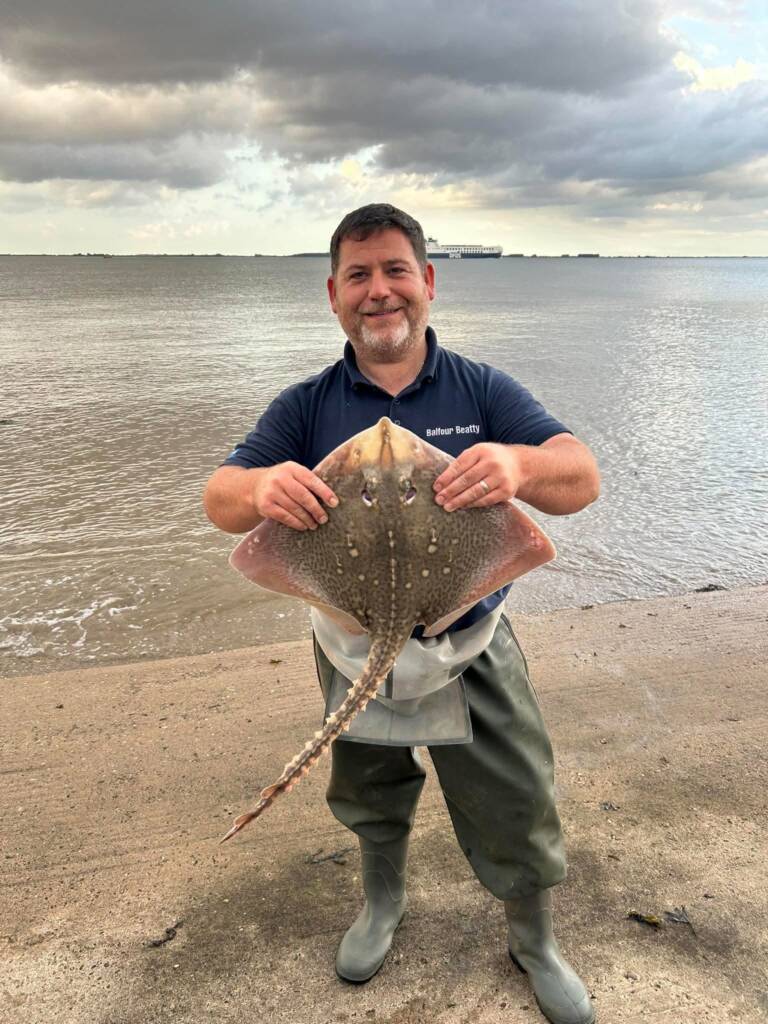
Thornback rays are flattened, diamond-shaped fish with broad pectoral fins, a relatively short snout and distinctive thorn-like spines across their upper bodies.
Their most recognisable features include:
A broad, diamond-shaped body formed by large pectoral fins extending outwards like wings.
Prominent, sharp thorns scattered across the back and extending along the tail.
A short, pointed snout with a relatively broad head.
Eyes positioned on the upper surface of the body, with breathing openings called spiracles immediately behind them.
A small mouth and five pairs of gill slits located underneath the body.
A long, relatively narrow tail featuring rows of thorns and two small dorsal fins near its tip.
Variable colouring, ranging from sandy brown and olive-green to grey or reddish-brown, often featuring darker blotches and pale spots.
Colour and markings vary considerably according to habitat. Thornback rays living over sand and gravel often display mottled patterns that help them blend into the seabed.
The prominent thorns are their most distinctive identification feature. These can be particularly noticeable on larger fish and may also occur on the underside of mature females.
Also known as
Thornback, thornback skate, roker, thornback roker, thornie, thornback ray
IUCN Status
An IUCN status is a standardized global rating that indicates how close an animal, plant, or fungus species is to extinction
.
Near Threatened
IUCN Red List Conservation Status
Thornback rays are classified as Near Threatened on the global IUCN Red List, reflecting conservation concerns associated with fishing pressure and population declines across parts of their wider range.
Best Baits for Thornback Ray Fishing
Thornback rays are opportunistic bottom-feeding predators that hunt crabs, prawns, small fish, marine worms and other animals living on or close to the seabed.
Their powerful jaws allow them to crush crustaceans, while their ability to detect prey buried in sand and mud makes them effective hunters across a wide range of coastal habitats.
This varied diet means thornback rays respond to several different natural fishing baits.
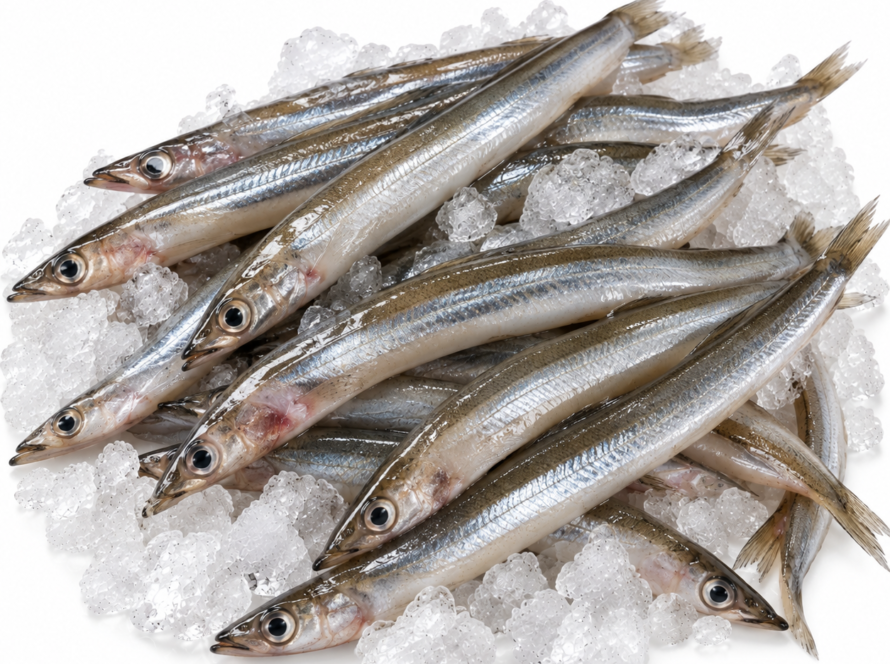
Sandeel is widely regarded as one of the most effective natural baits for thornback ray fishing.
Whole sandeel provides an attractive bait presentation, particularly when fishing sandy beaches, shingle banks and offshore gullies.
Sandeel can be presented whole on a pennel rig or prepared in smaller sections when targeting rays of different sizes.
Squid is an excellent all-round bait for thornback rays, particularly when targeting larger specimens.
Whole small squid, squid strips and squid combined with other natural baits can produce a strong scent trail and a durable presentation.
Squid is particularly useful when fishing strong tidal currents or when smaller fish are stripping softer baits.
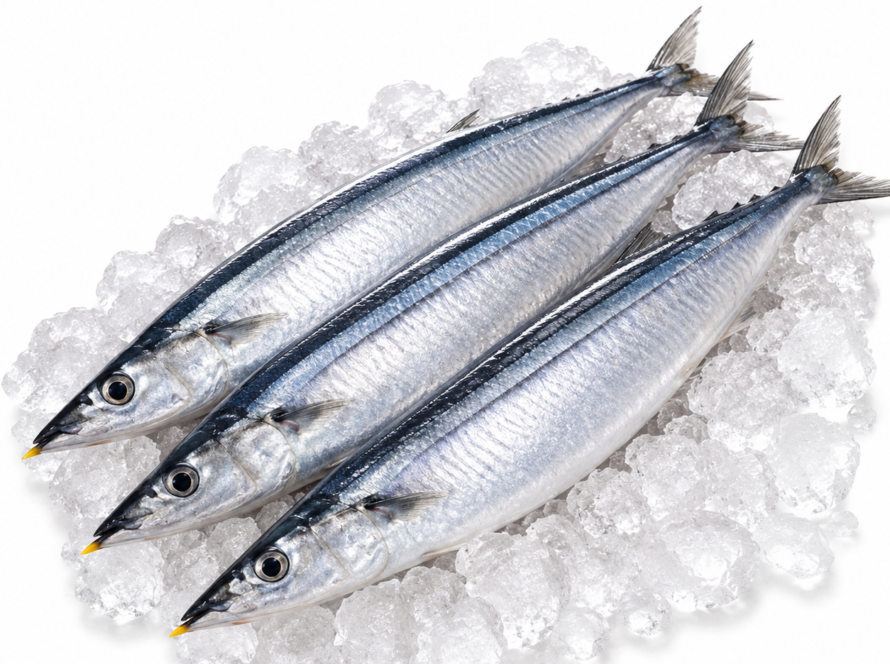
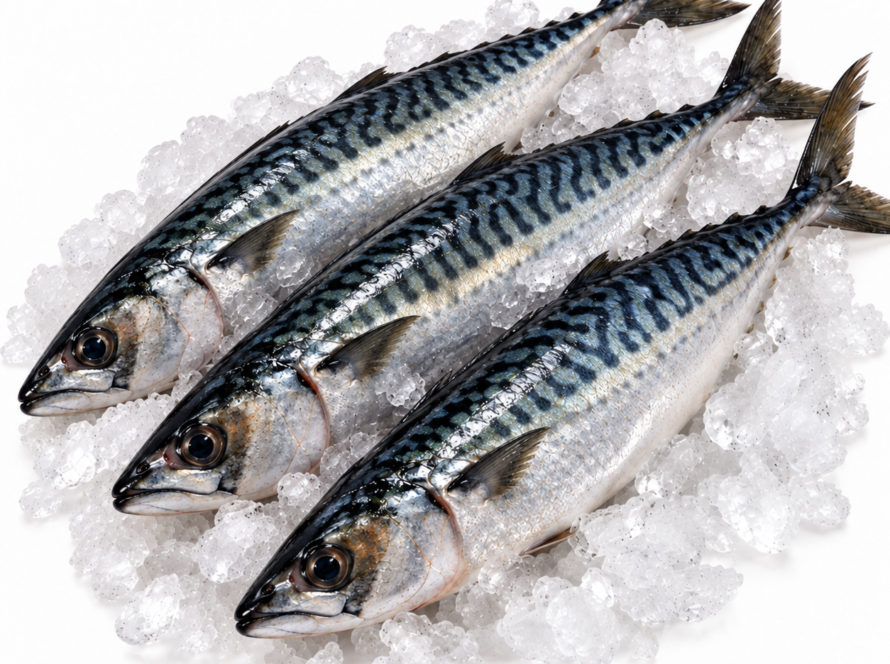
Mackerel is a popular thornback ray bait because of its oily flesh and strong scent.
Fresh or frozen mackerel strips, fillets and other suitable fish baits can attract rays searching the seabed for food.
Larger fish baits can be particularly effective when targeting bigger specimens over sandy or mixed ground.
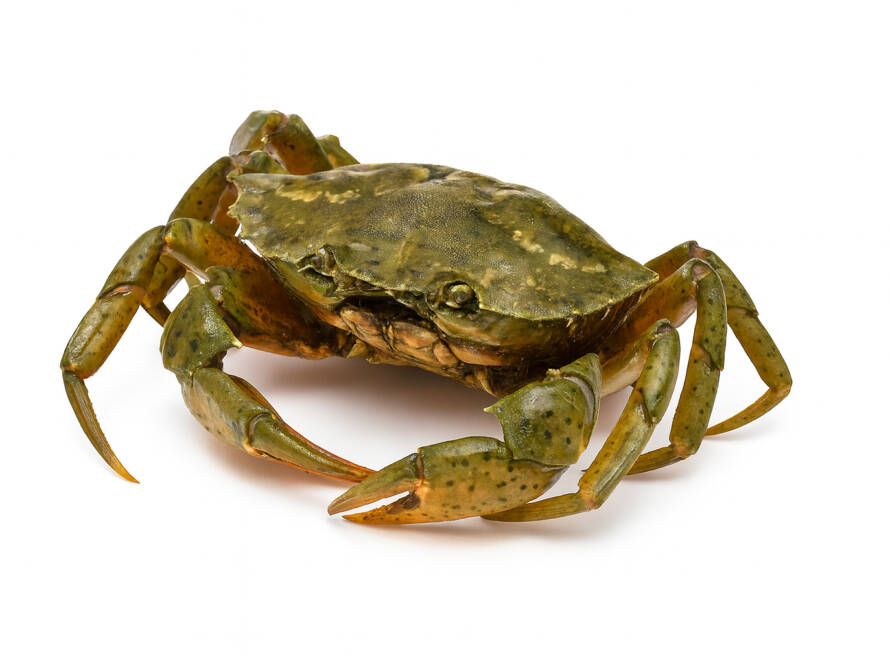
Peeler crab is an excellent natural bait for thornback rays, especially around estuaries, gravel banks and mixed-ground coastal marks.
Crabs form an important part of the thornback ray’s natural diet, making peeler crab a reliable choice when these crustaceans are abundant.
Fresh and frozen peeler crab can both be effective when presented securely on a suitable hook.
Combining two natural baits can create a larger presentation and a stronger scent trail.
Popular combinations include squid and sandeel, squid and mackerel, peeler crab and squid, or black lugworm tipped with squid.
Cocktail baits can be particularly useful when fishing coloured water, strong tides or areas with high levels of small-fish activity.
Where to Catch Thornback Ray in the UK
Thornback rays occur around much of the British and Irish coastline, although their abundance varies considerably by region and season.
They are commonly associated with sandy, muddy, gravelly and mixed seabeds where crabs, small fish and other bottom-dwelling prey are abundant.
Thornback rays frequently move between deeper and shallower water according to seasonal conditions, feeding opportunities and reproductive activity.
Popular types of thornback ray fishing ground include:
Sandy beaches and shingle banks are among the most productive locations for thornback ray fishing.
Rays regularly patrol gullies, sandbanks and changes in seabed depth while searching for food.
Beaches with access to deeper water or productive tidal channels can be particularly effective.
Areas containing sand, gravel, shells and scattered rocks provide excellent feeding opportunities for thornback rays.
These habitats often support large populations of crabs and other crustaceans.
Fishing along the boundaries between clean sand and rougher ground can be particularly productive.
Estuary mouths and tidal channels can attract thornback rays, particularly during spring and summer.
These areas provide access to rich feeding grounds where tidal currents concentrate food.
Deeper channels, sandbanks and areas of mixed seabed can all hold feeding rays.
Piers and coastal structures can provide access to deeper water and productive seabed features.
Marks overlooking sandy or mixed ground can be particularly suitable for thornback ray fishing.
Fishing around tidal movement and changes in depth can improve the chances of locating feeding fish.
South West England: Devon, Cornwall and the Bristol Channel are well known for thornback ray fishing, particularly around sandy beaches, estuaries and mixed-ground marks.
South Wales: The Gower Peninsula, Swansea Bay and Pembrokeshire coastline provide productive ray fishing opportunities.
Southern England: Dorset, Hampshire, Sussex and Kent offer a variety of beaches, harbours and coastal banks where thornback rays can be encountered.
East Anglia: Essex, Suffolk and Norfolk are particularly associated with thornback ray fishing around estuaries, tidal channels and sandy coastal marks.
Yorkshire and the Humber: Thornback rays can be encountered around suitable North Sea marks, including parts of the Holderness coastline and Humber Estuary approaches, although catches are generally less consistent than in some southern regions.
North West England: Morecambe Bay, the Lancashire coastline and parts of the Irish Sea are well known for thornback ray fishing, particularly during spring and summer.
Thornback Ray Fishing Regulations in the UK
Thornback rays are subject to fisheries management and conservation measures, although regulations can vary depending on location and local authority.
The UK Government’s published national minimum conservation reference size tables do not specify a general nationwide minimum size for thornback ray.
However, additional local minimum sizes and retention restrictions apply within certain inshore waters.
For example, Southern IFCA and Kent and Essex IFCA have introduced minimum size requirements of 40 cm wingspan for skates and rays within their respective districts.
Other regional authorities may apply different minimum sizes or additional restrictions.
Before fishing, always check the latest regulations for your location.
For current published reference sizes, visit the UK Government’s Minimum Conservation Reference Size Guidance.
Best Time to Catch Thornback Ray in the UK
Thornback rays can be caught throughout much of the year, although their abundance and feeding activity vary significantly by region and season.
For many UK shore anglers, spring and summer are particularly productive, with autumn also providing excellent opportunities at suitable coastal marks.
Autumn can provide good thornback ray fishing, particularly around southern and western UK coastal locations.
Rays may continue feeding actively while sea temperatures remain relatively warm.
As autumn progresses, some fish begin moving away from shallow coastal areas towards deeper water.
Sandeel, squid, mackerel and peeler crab can all be effective baits.
Winter thornback ray fishing can be less consistent around many shallow coastal marks.
Some fish move into deeper offshore waters as sea temperatures decline, although thornback rays can still be caught from suitable shore locations.
Southern and western coastal marks, deeper channels and areas with reliable food sources may continue producing fish.
Fish and squid baits are popular choices during winter.
Spring is one of the most productive periods for thornback ray fishing around many UK coastal locations.
As sea temperatures rise, rays begin moving towards shallower feeding and reproductive areas.
March, April and May can provide excellent opportunities, particularly around estuaries, sandy beaches and mixed-ground marks.
Peeler crab, sandeel, squid and mackerel are all effective spring baits.
Summer is an excellent time to target thornback rays from many UK shore marks.
Fish can be found feeding over sandy beaches, gravel banks, estuaries and mixed-ground areas.
Warm water, active crustacean populations and suitable tidal movement can combine to create productive fishing conditions.
Sandeel, squid, mackerel and peeler crab are among the most popular summer baits.
Responsible Thornback Ray Handling
Thornback rays have prominent, sharp spines that can cause injury if handled carelessly.
Support the fish’s body and wings when lifting or moving it.
Avoid lifting large rays by the tail or wing tips.
Take care around the sharp thorns on the back and tail.
Use suitable landing equipment when fishing from piers or elevated marks.
Minimise the time fish spend out of the water.
Return undersized, unwanted or protected fish carefully and promptly.
Consider releasing larger breeding females to help protect future thornback ray populations.
UK Shore Caught Record
Thornback Ray
RECORD WEIGHT
22lb 7oz (10.21kg)
Michael Johnsone
Salcombe Estuary, Devon
Year: 2008
Best Rigs for Thornback Ray Fishing
Choosing the right rig is essential when targeting thornback rays, as bait size, seabed conditions, tidal strength and casting distance all influence fishing effectiveness.
Thornback rays generally feed on or close to the seabed, making rigs that present natural baits along the bottom particularly effective.
Strong hooks, reliable knots and suitable abrasion-resistant hooklengths are important when targeting larger specimens.
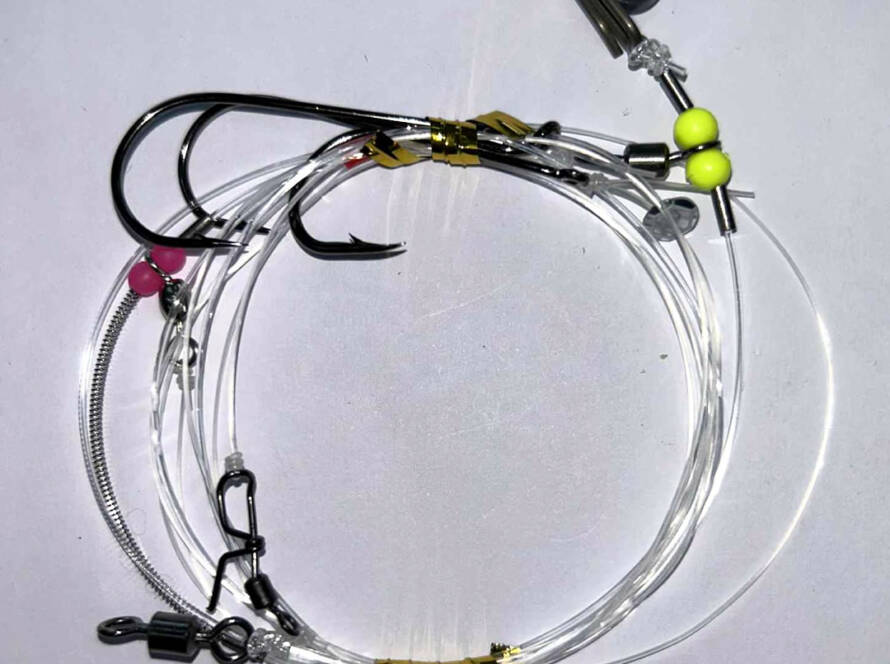
A pulley rig is one of the most popular choices for thornback ray fishing, particularly when using larger sandeel, squid or fish baits.
The pennel hook arrangement helps secure larger baits during casting and presentation.
Its pulley design can also help lift the lead during retrieval, reducing the risk of snagging on mixed or rough ground.
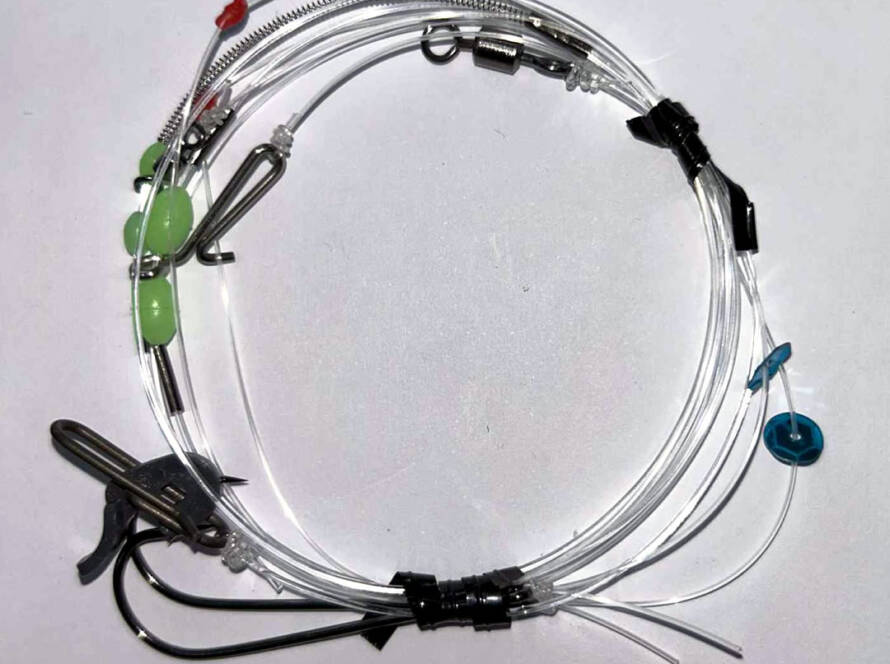
A clipped-down rig is ideal when additional casting distance is needed to reach offshore gullies, sandbanks or deeper feeding areas.
Securing the bait during the cast improves aerodynamics and helps protect softer natural baits.
A strong single-hook clipped-down rig is particularly effective when targeting thornback rays from open sandy beaches.
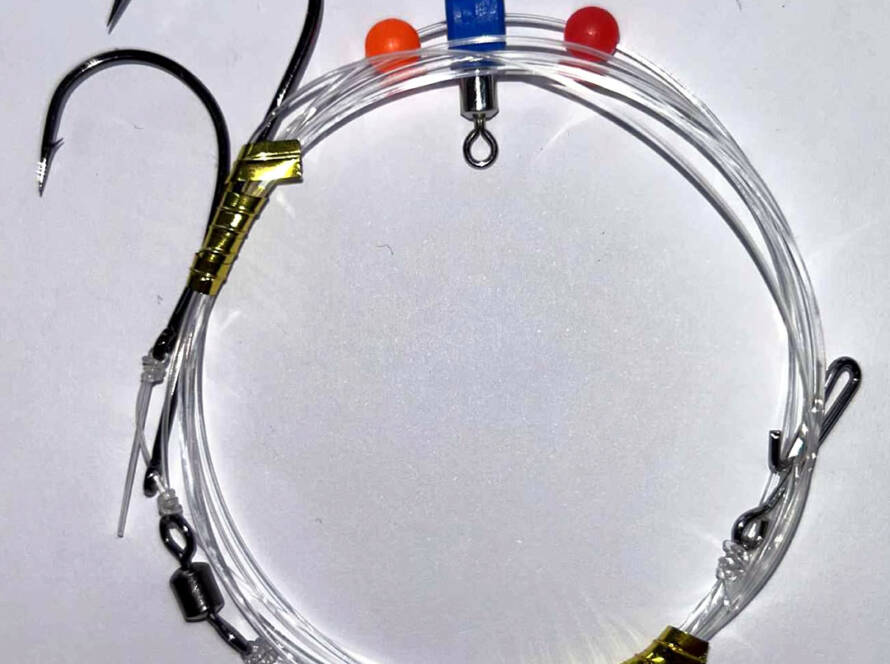
An up-and-over rig provides a longer hooklength while maintaining good casting performance.
This allows natural baits to move more freely in tidal currents and can create an attractive presentation for feeding rays.
It is particularly useful when fishing over clean sand, shingle or gently sloping seabeds.
A running ledger rig provides a simple and effective way to present natural baits directly on the seabed.
The hooklength can move independently of the lead, allowing rays to pick up the bait with relatively little resistance.
Running ledger rigs are particularly suitable for clean-ground fishing at shorter distances.
-
 From £3.70 This product has multiple variants. The options may be chosen on the product page
-
 From £3.50 This product has multiple variants. The options may be chosen on the product page
-
 From £3.50 This product has multiple variants. The options may be chosen on the product page
-
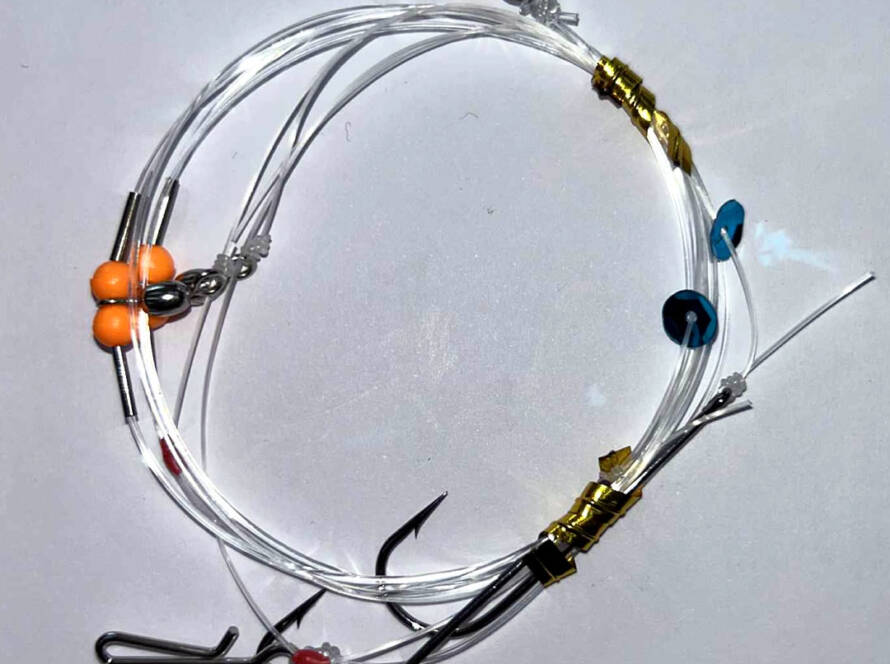 From £3.00 This product has multiple variants. The options may be chosen on the product page
Interested in learning about other fish found around the British coastline?
Visit our UK Sea Fish Species Guide to discover identification tips, habitats, fishing seasons and recommended baits for other UK species.