


European Sea Bass (Dicentrarchus labrax)
UK Sea Fish Species Guide | Squids In! SEA BAITS
European sea bass are among the most sought-after fish encountered by UK sea anglers. Known for their streamlined silver bodies, powerful fighting ability and predatory feeding habits, bass are a popular target from sandy beaches, rocky headlands, estuaries, piers and coastal marks.
Whether you’re hoping to catch your first school bass or targeting a larger specimen, understanding where these fish hunt, how tidal conditions influence their feeding and which natural baits work best can help you make the most of your fishing sessions.
How to Identify European Sea Bass
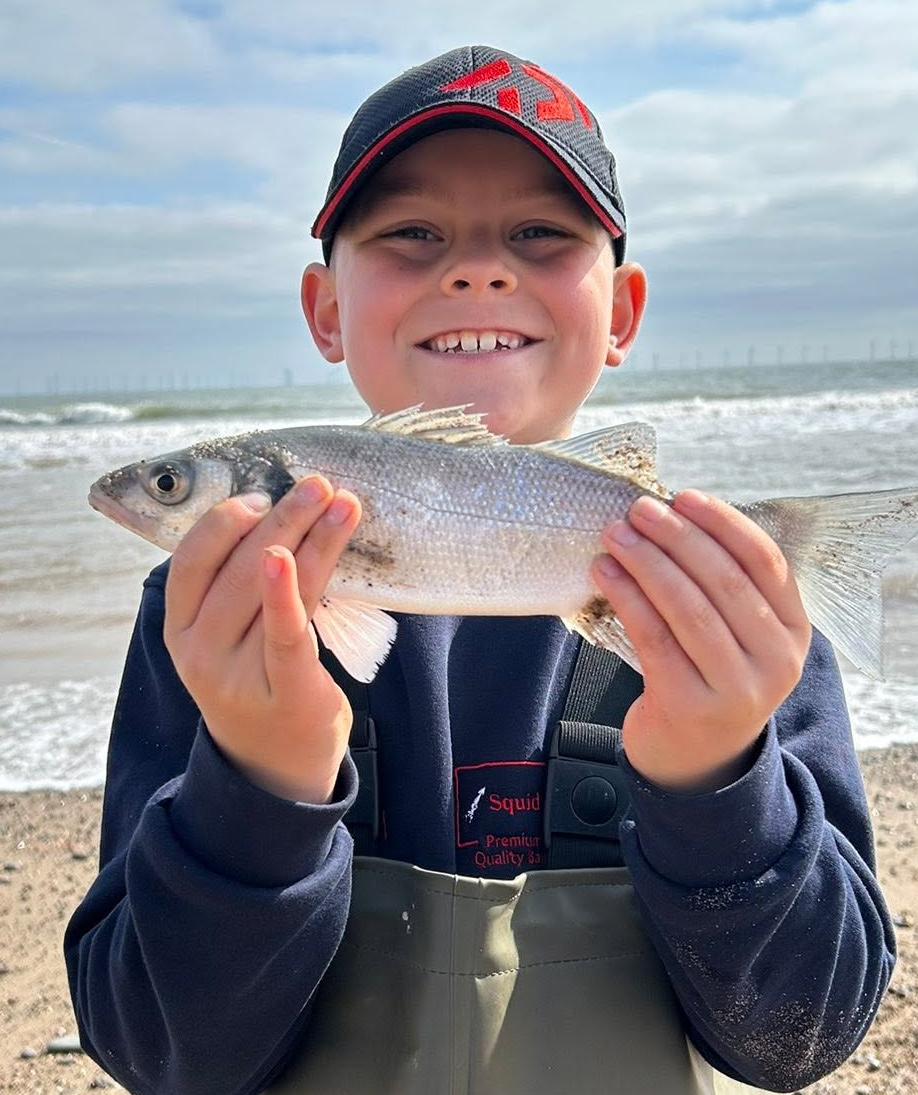
European sea bass are sleek, muscular fish with an elongated body, relatively large mouth and distinctive silver colouring.
Their most recognisable features include:
Two separate dorsal fins, with sharp spines on the first dorsal fin and softer rays on the second.
A streamlined, elongated body built for powerful swimming and hunting.
Bright silver flanks, a darker grey, blue-grey or greenish back and a pale underside.
A clearly visible lateral line running along each side of the body.
A dark marking on the gill cover, which also has sharp edges and spines.
A relatively large mouth, with the lower jaw often projecting slightly beyond the upper jaw.
Colour can vary according to habitat and age. Bass found in clear coastal waters often display bright silver flanks, while those living around estuaries and coloured water may appear darker.
Also known as
Bass, sea bass, European bass, European seabass, school bass (smaller fish)
IUCN Status
An IUCN status is a standardized global rating that indicates how close an animal, plant, or fungus species is to extinction
.
Least Concern
IUCN Red List Conservation Status
European sea bass are currently classified as Least Concern on the IUCN Red List.
Best Baits for Cod Fishing
European sea bass are active predators that feed on small fish, crustaceans, marine worms and other natural prey found around coastal waters.
Their varied diet means bass can be caught using several different natural baits, with the most effective choice often depending on the fishing location, tidal conditions and available food sources.
Peeler crab is one of the most effective natural baits for bass, particularly around estuaries, rocky shorelines and areas where crabs naturally occur.
Its strong scent and soft texture make it especially attractive to feeding bass during warmer months.
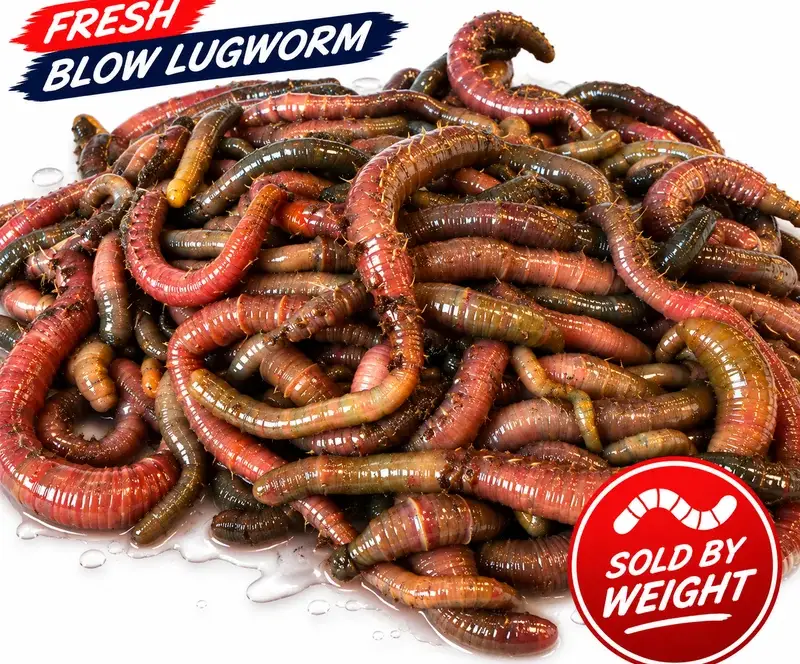
Black Lugworm and Fresh Blow Lug are excellent choices when targeting bass from sandy beaches, surf marks and estuary channels.
Bass regularly search shallow water and disturbed sand for worms, making lugworm particularly effective when fishing around breaking waves and during flooding tides.
Squid is a versatile bait for bass, especially when targeting larger fish or fishing in coloured water.
Squid strips, whole small squid and squid combined with other natural baits can provide an attractive scent trail and a durable bait presentation.
Sandeel is a natural prey species for bass and can be particularly effective around beaches, sandbanks and coastal areas where small fish gather.
Fresh fish strips and other suitable fish baits can also attract larger predatory bass.
Combining two natural baits can create a stronger scent trail and a more substantial presentation.
Popular combinations include squid and lugworm, peeler crab and squid, or lugworm tipped with a small strip of fish.
Suggested Squids In! SEA BAITS products
Fresh Blow Lugworm (Live)
Black Lugworm Wraps
Squid & Blacklug Cocktails
Fresh or Frozen Peeler Crab (where available)
-
 From £6.00Rated 5.00 out of 5This product has multiple variants. The options may be chosen on the product page
-
 From £7.50 This product has multiple variants. The options may be chosen on the product page

Where to Catch Bass in the UK
European sea bass are found around much of the British and Irish coastline, although they are generally more abundant around southern and western coastal regions.
Bass are highly mobile predators that follow tidal movement, baitfish and other available food sources.
Popular types of bass fishing ground include:
Surf beaches are among the most productive places to target bass, particularly where waves disturb the seabed and expose worms, crabs and small fish.
Bass often patrol surprisingly shallow water, sometimes feeding just behind the breaking waves.
Gullies, sandbanks and areas of deeper water close to shore can be especially productive.
Rocky shorelines, gullies, reefs and headlands provide excellent feeding opportunities for bass.
These areas attract crabs, prawns and small baitfish, while tidal currents create natural ambush points.
Fishing around the edges of rocky features can be particularly effective.
Estuaries provide rich feeding grounds for bass, especially during spring, summer and autumn.
Bass frequently move along tidal channels, mudflats, creek entrances and harbour approaches in search of food.
Juvenile bass also use sheltered estuary environments as important nursery habitats, so anglers should be especially mindful of local restrictions.
Man-made coastal structures can attract bass by providing shelter, tidal movement and concentrations of prey.
Harbour entrances, pier supports and breakwaters can all be productive locations, particularly where currents move food past structure.
South West England: Cornwall, Devon and Dorset are well known for their bass fishing, with productive beaches, estuaries and rocky coastlines.
South Wales: The Gower Peninsula, Pembrokeshire and surrounding coastal areas offer excellent bass fishing opportunities.
Southern England: Hampshire, Sussex, Kent and the Isle of Wight provide a mixture of surf beaches, harbours and coastal structures.
East Anglia: Norfolk, Suffolk and Essex offer opportunities around beaches, estuaries and tidal channels.
North East England and Yorkshire: Bass can be encountered along suitable beaches, rocky marks and estuary areas, particularly during the warmer months.
Ireland: The southern and western coastlines of Ireland are especially well known for their bass fishing.
Bass Fishing Regulations in the UK
European sea bass are subject to specific conservation regulations designed to protect breeding populations and support sustainable fishing.
For 2026, the published recreational bass fishing rules in the relevant UK waters include:
Minimum conservation reference size: 42 cm.
Catch-and-release period: 1 February to 31 March, during which bass must not be retained.
Daily retention limit: Outside the catch-and-release period, recreational anglers may retain up to three bass per day, subject to applicable local rules.
Fishing methods: Recreational bass fishing is subject to restrictions on permitted fishing gear.
Additional restrictions can apply within designated bass nursery areas, and local regulations may differ depending on the fishing location.
Rules can also vary between England, Scotland, Wales, Northern Ireland and other jurisdictions.
Before fishing, always check the latest regulations for your chosen location.
For the current published rules, visit the UK Government’s Bass Fishing Guidance.
Return undersized bass carefully and promptly, and consider releasing larger breeding fish to help protect future stocks.
Best Time to Catch Bass in the UK
Bass can be encountered around the UK coastline throughout the year, although their abundance and feeding activity vary significantly by region and season.
For many UK shore anglers, bass fishing is particularly productive from late spring through autumn.
Autumn can be one of the most productive periods for bass fishing.
Bass often feed actively as they take advantage of abundant baitfish and other food sources before winter.
Larger fish may move into shallow coastal areas, particularly around surf beaches, rocky marks and estuaries.
Lugworm, squid, peeler crab and fish baits can all be effective.
Bass fishing generally becomes less consistent around many UK shore marks during winter, particularly in northern regions.
Some bass move into deeper or more offshore waters, although fish can still be caught from suitable southern and western locations.
Milder conditions and areas with reliable food sources can offer opportunities.
Anglers should remember that February falls within the published recreational catch-and-release period in the relevant waters.
Spring marks the beginning of increased bass activity around many coastal locations.
As sea temperatures rise, bass begin moving towards inshore feeding grounds, estuaries and beaches.
Peeler crab and lugworm can be particularly effective as fish become more active.
March remains within the published recreational catch-and-release period in the relevant waters.
Summer is an excellent time to target bass from many UK shore marks.
Fish regularly patrol shallow beaches, rocky shorelines, estuaries and harbour entrances in search of food.
Early morning, evening and night fishing can be particularly productive, especially when suitable tidal movement coincides with low-light conditions.
Peeler crab, lugworm, squid and sandeel are all popular summer bass baits.
UK Shore Caught Record
European Sea Bass
RECORD WEIGHT
19lb 12oz (8.96kg)
J. Stephenson-Locker
Portsmouth Dockyard, Hampshire
Year: 2012
Best Rigs for Bass Fishing
Choosing the right rig when targeting bass depends on the fishing location, tidal conditions, seabed features and type of bait being used.
Bass often feed close to the shoreline, particularly around surf beaches, gullies and tidal channels, meaning extreme casting distances are not always necessary.
A well-presented natural bait positioned in an active feeding area can be far more effective than simply casting as far as possible.
A pulley pennel rig is useful when targeting larger bass with substantial baits or fishing around rougher ground.
Its design helps lift the lead during retrieval, reducing the chance of snagging on rocks and other seabed obstacles.
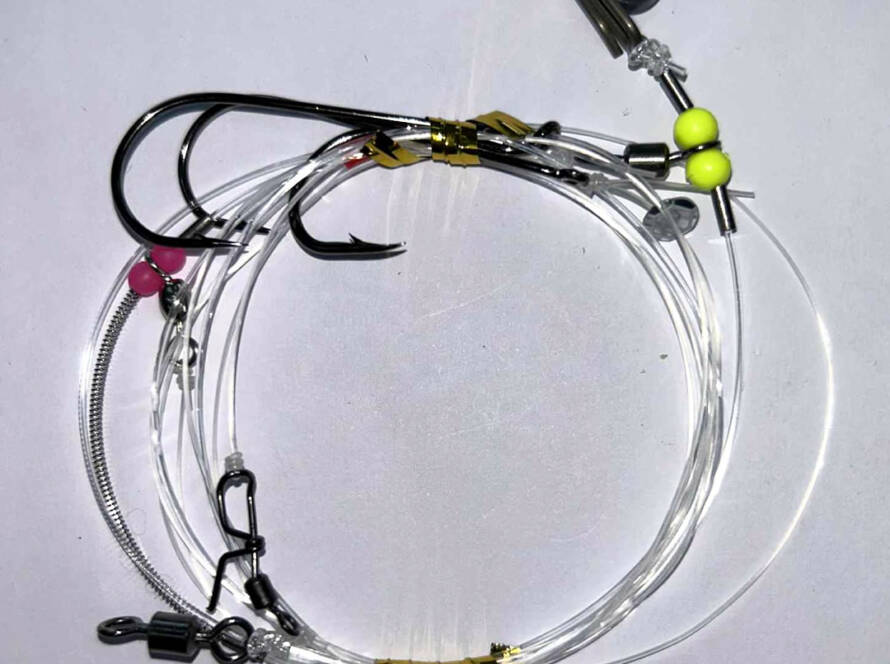
The running ledger is a simple and effective rig for bass fishing, particularly from sandy beaches and estuaries.
It allows the baited hooklength to move independently of the lead, helping create a natural presentation.
Running ledger rigs work particularly well with lugworm, peeler crab and small fish baits.
Clipped-down rigs are a good option when additional casting distance is needed to reach offshore gullies, sandbanks or feeding areas.
Keeping the bait secured during the cast improves aerodynamics and helps protect softer natural baits.
These rigs are particularly useful on open beaches where fish may be feeding beyond the surf.
An up-and-over rig offers a longer hooklength while remaining suitable for distance casting.
This can provide a more natural bait presentation in tidal currents and is particularly useful when targeting cautious bass over clean or mixed ground.
whiting and other bottom-feeding species from UK beaches.
-
 From £3.70 This product has multiple variants. The options may be chosen on the product page
-
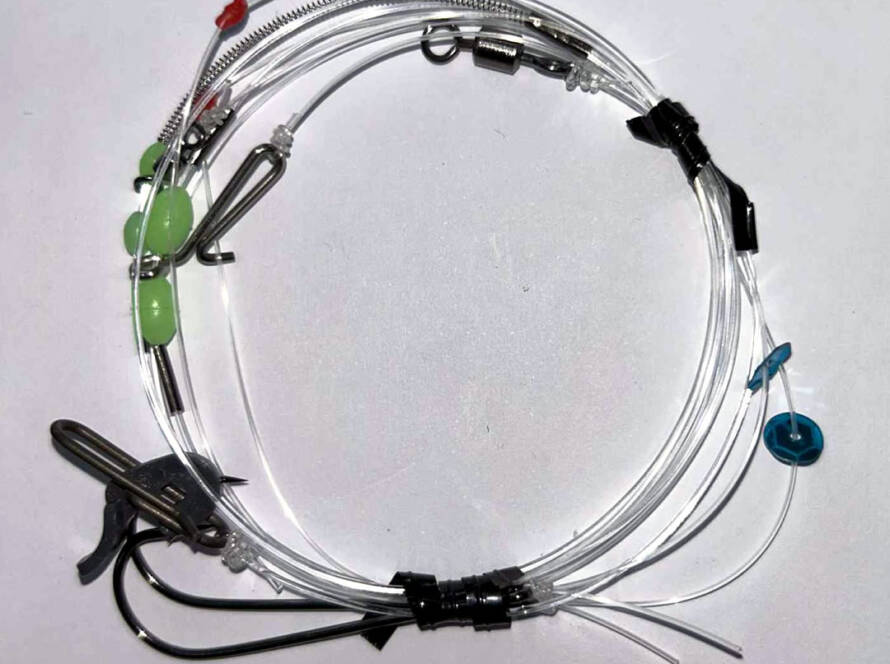 From £3.50 This product has multiple variants. The options may be chosen on the product page
-
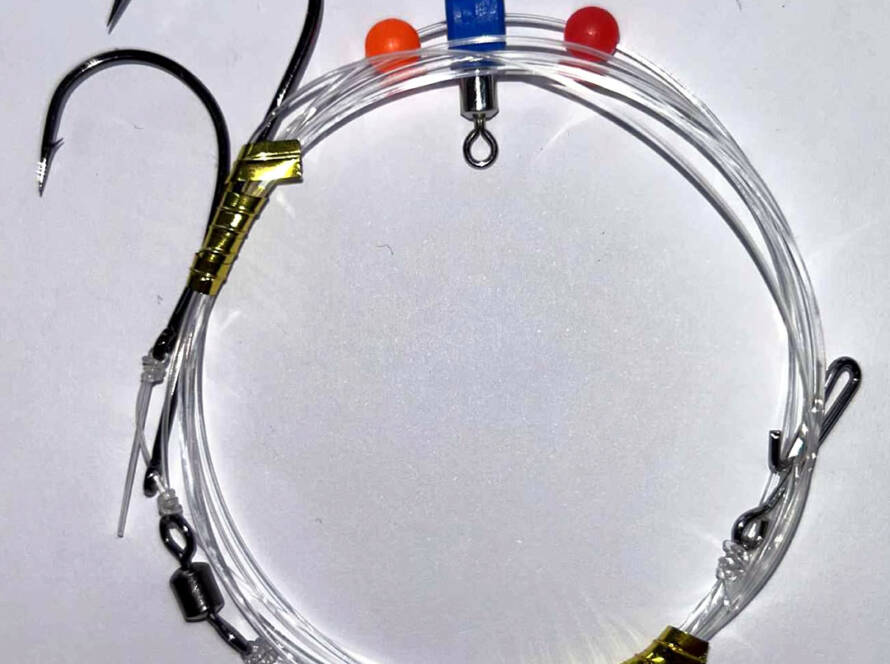 From £3.50 This product has multiple variants. The options may be chosen on the product page
-
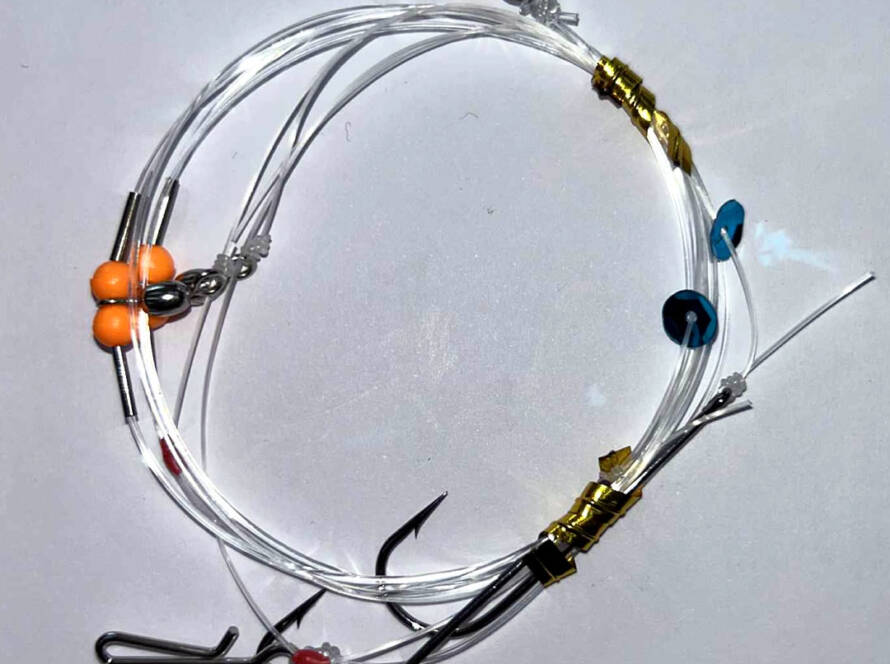 From £3.00 This product has multiple variants. The options may be chosen on the product page
Interested in learning about other fish found around the British coastline?
Visit our UK Sea Fish Species Guide to discover identification tips, habitats, fishing seasons and recommended baits for other UK species.