


Thornback Ray
Showing 1–12 of 14 results

Best Bait for Thornback Ray – UK Fishing Baits, Rigs & Expert Tips
Looking for the best bait for thornback ray fishing in the UK? Sandeel, mackerel, bluey, squid and peeler crab are among the most effective choices. However, the best bait depends on the season, seabed and natural food available.
Thornback rays (Raja clavata) are bottom-feeding fish found around much of the UK coastline. They have broad, diamond-shaped bodies, long tails and sharp thorns along their backs.
Also known as thornback skate or roker, these fish feed on crabs, shellfish and small fish. As a result, both fish baits and crustacean baits can work very well.
At Squids In! SEA BAITS, we supply quality fresh and frozen sea fishing bait. We’re based in Goxhill near the River Humber. In addition, we supply anglers throughout the UK.
In this guide, we’ll cover the best baits for thornback ray, useful rigs and fishing tips. We’ll also look at the British shore-caught record and where to target thornback rays around the Humber.
What Is the Best Bait for Thornback Ray?
The best bait for thornback ray is often sandeel, mackerel, bluey or peeler crab.
Thornback rays search the seabed for food. Therefore, natural baits that release scent are excellent choices.
For example, mackerel releases fish oils into the water. Meanwhile, peeler crab provides a natural crustacean bait.
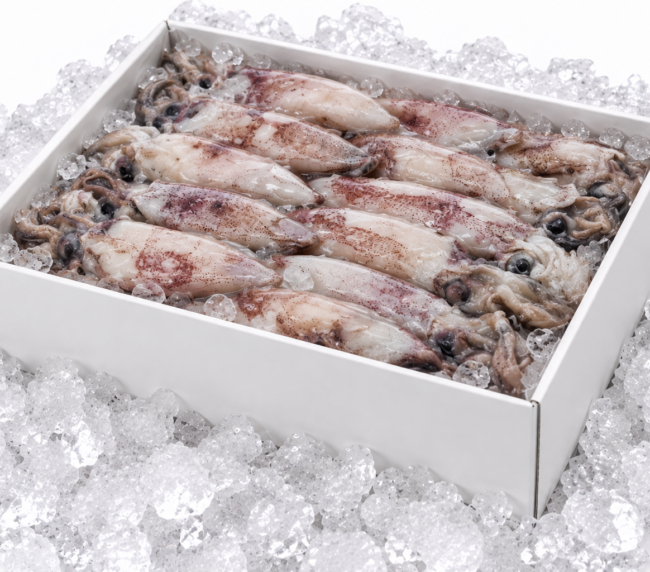
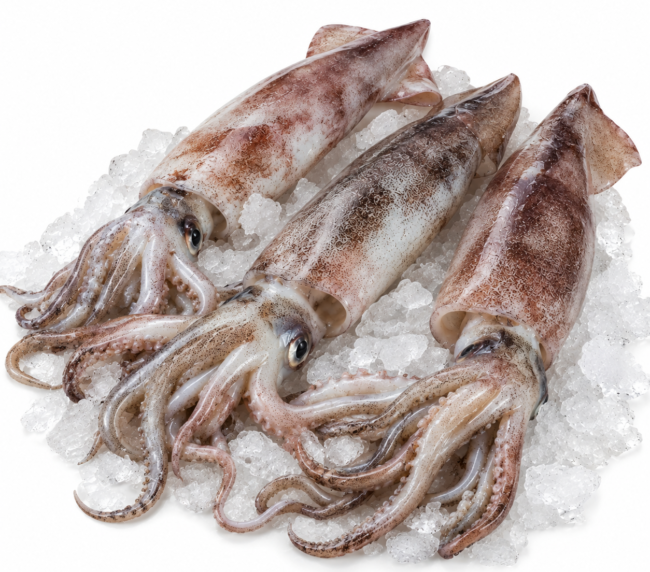
Squid is another popular option because it stays securely on the hook. In addition, it can be combined with fish baits to create a durable cocktail.
Best Thornback Ray Fishing Baits at a Glance
| Bait | Best Used For |
|---|---|
| Sandeel | Sandy beaches, sandbanks and long-range fishing |
| Mackerel | Oily fish baits and mixed ground |
| Bluey | Strong scent and deeper water |
| Squid | Strong tides and bait cocktails |
| Peeler crab | Spring fishing and crab-rich seabeds |
| Herring | Oily fish baits and sandy ground |
| Cuttlefish | Tough baits and larger presentations |
| Ragworm and lugworm | Alternative baits and mixed-species sessions |
Although several baits can catch thornback rays, sandeel and oily fish are excellent starting points. However, peeler crab can be particularly effective when rays are feeding on crabs.
1. Sandeel – One of the Best Baits for Thornback Ray
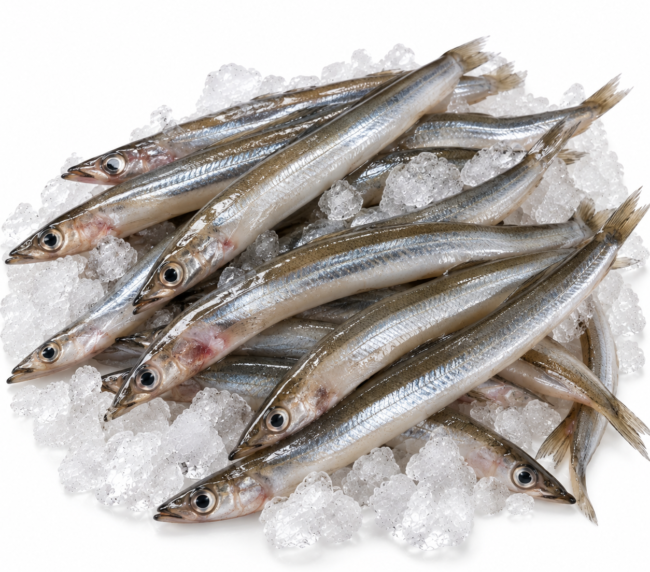
Sandeel is one of the most popular baits for thornback ray fishing.
These small fish live around sandy seabeds and provide a natural food source for many sea fish.
Because thornback rays feed on small fish, sandeel can be an excellent choice.
In addition, sandeel has a slim shape that makes it suitable for long-distance casting.
Why Sandeel Works for Thornback Ray
- Natural fish bait.
- Excellent on sandy ground.
- Suitable for long-distance casting.
- Can be used whole.
- Works well on clipped-down rigs.
- Can attract other ray species.
A whole sandeel is a popular bait. However, smaller sections can also work.
Top tip: Secure a whole sandeel neatly with bait elastic. Then use a clipped-down rig if you need extra casting distance.
2. Mackerel – A Top Thornback Ray Fishing Bait
Mackerel is another excellent bait for thornback ray.
Its oily flesh releases scent into the water. As a result, it can attract rays searching for food along the seabed.
Mackerel is useful on sandy, shingle and mixed ground.
Why Mackerel Works for Thornback Ray
- Releases natural fish oils.
- Suitable for sandy and mixed ground.
- Easy to prepare in strips.
- Useful for night fishing.
- Combines well with squid.
- Can attract other bottom-feeding fish.
You can use a mackerel strip, fillet or small section.
However, thornback rays have relatively small mouths compared with their body size. Therefore, extremely large baits are unnecessary.
Top tip: Cut a long, narrow strip of mackerel with the skin attached. Then secure it to the hook with bait elastic.
Shop: Browse Frozen Sea Fishing Baits
3. Bluey – An Excellent Oily Fish Bait for Rays
Bluey is another popular bait for thornback ray fishing.
It has oily flesh that releases scent into the water. Therefore, it can be useful when targeting rays over sandy or muddy ground.
Bluey is also suitable for deeper water and strong tidal conditions.
Why Bluey Works for Thornback Ray
- Rich in natural fish oils.
- Releases scent into the water.
- Useful for deeper water.
- Suitable for night fishing.
- Can be cut into strips.
- Combines well with squid.
Bluey can be fished in small fillets or strips.
However, the flesh can be soft after thawing. For this reason, bait elastic can help keep it secure.
Top tip: Try a bluey and squid cocktail. The bluey provides scent, while the squid helps hold the bait together.
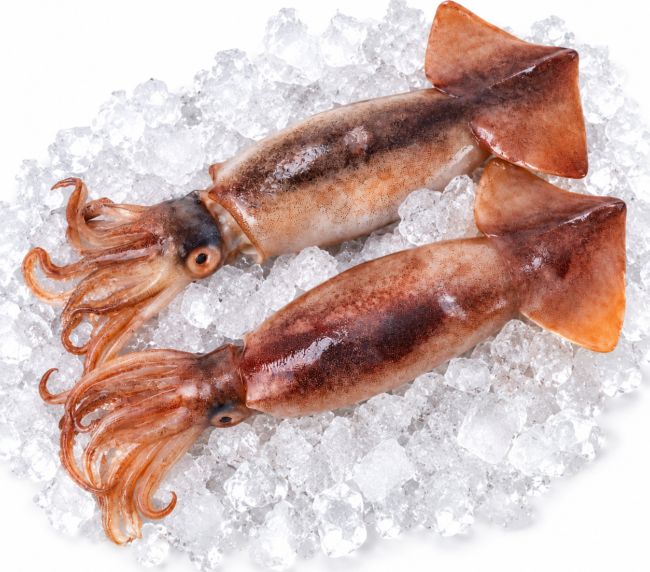
4. Squid – A Versatile Bait for Thornback Ray
Squid is one of the most useful baits for thornback ray fishing.
Because squid has tough flesh, it stays securely on the hook. In addition, it can be used whole or cut into strips.
Squid is especially useful when fishing in strong tides or casting long distances.
Why Squid Works for Thornback Ray
- Tough flesh stays on the hook.
- Useful in strong tides.
- Suitable for long-distance casting.
- Can be used whole or in strips.
- Combines well with fish baits.
- Useful for mixed-species fishing.
Although squid can catch rays on its own, it is often used alongside mackerel or bluey.
Top tip: Wrap a strip of squid around a mackerel bait. This can help create a secure presentation for casting.
Shop: Unwashed Illex Squid
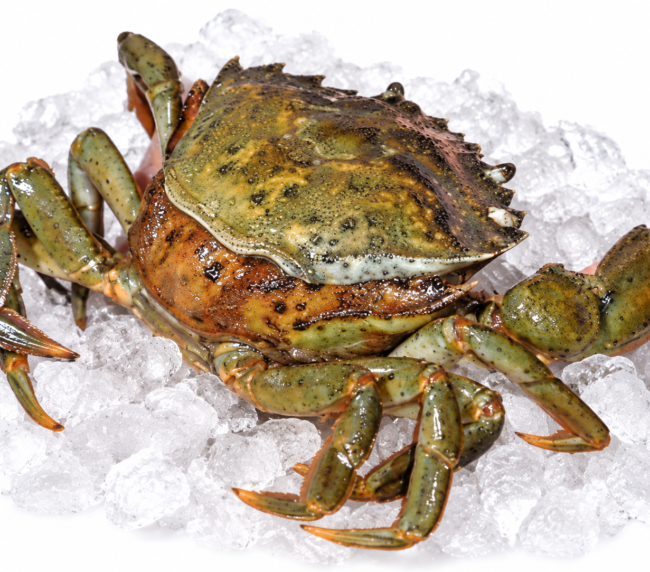
5. Peeler Crab – A Natural Thornback Ray Bait
Peeler crab is another excellent choice for thornback ray.
These fish feed on crabs and other crustaceans. Therefore, peeler crab provides a natural bait.
Peeler crab can be particularly useful during spring and early summer, when crabs are active in coastal waters.
Why Peeler Crab Works for Thornback Ray
- Natural food source.
- Releases scent into the water.
- Useful during spring.
- Suitable for sandy and mixed ground.
- Can be used whole or in sections.
- Combines well with squid.
You can use a whole peeler crab or a smaller section.
However, keep the bait compact enough to cast safely.
Top tip: Remove loose shell sections and secure the crab with bait elastic. Then leave the hook point exposed.
Shop: Frozen Peeler Crab
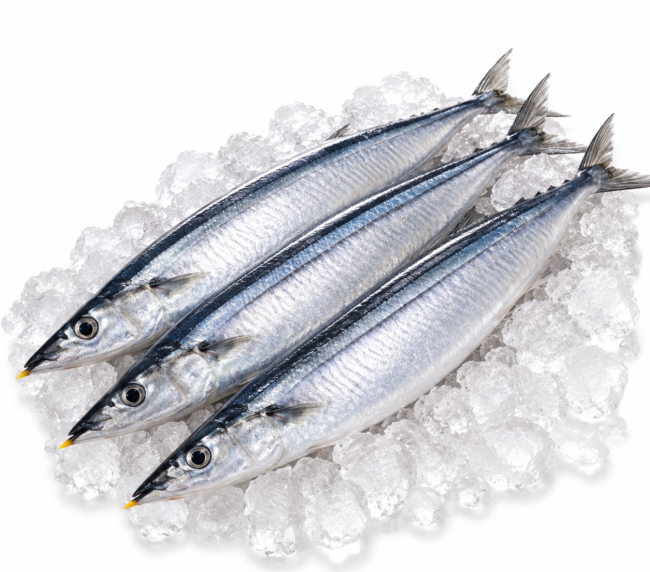
6. Herring – Another Oily Fish Bait for Thornback Ray
Herring is another natural bait worth trying for thornback rays.
Like mackerel, herring releases fish oils into the water. As a result, it can attract fish feeding along the seabed.
Herring is useful on sandy beaches and in deeper coastal water.
Why Herring Works for Thornback Ray
- Releases natural fish oils.
- Suitable for sandy ground.
- Can be cut into strips.
- Useful for night fishing.
- Combines well with squid.
- Can attract other sea fish.
However, herring flesh can be soft. Therefore, bait elastic may help keep it secure.
Top tip: Use a narrow strip of herring with the skin attached. Then wrap it lightly with bait elastic.
7. Cuttlefish – A Tough Bait for Thornback Ray
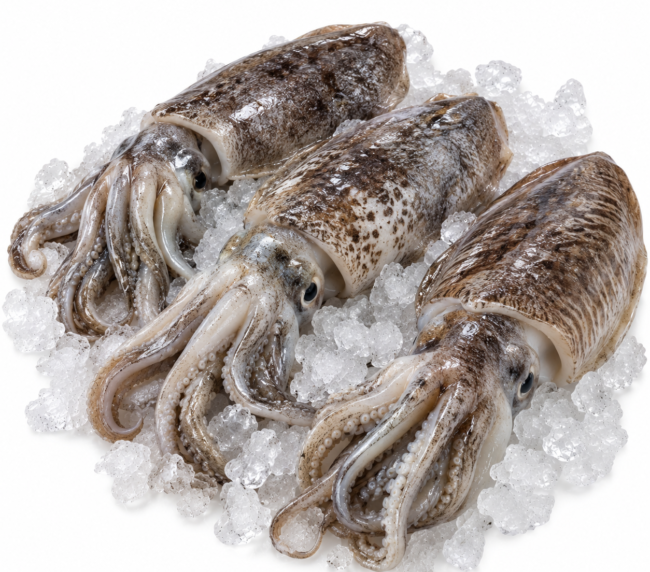
Cuttlefish can also catch thornback rays.
Its tough flesh makes it useful when fishing in strong tides. In addition, it can be combined with oily fish baits.
Cuttlefish is often used for larger sea fish. However, smaller strips are suitable for thornback rays.
Why Cuttlefish Works for Thornback Ray
- Tough flesh stays on the hook.
- Useful for strong tides.
- Suitable for long casting.
- Can be cut into strips.
- Combines well with fish baits.
- Offers an alternative to squid.
Top tip: Try a strip of cuttlefish alongside mackerel. This creates a durable bait with added scent.
8. Ragworm and Lugworm – Alternative Thornback Ray Baits
Ragworm and lugworm can occasionally catch thornback rays.
Although fish and crab baits are generally more popular, rays also feed on a range of smaller seabed creatures.
Therefore, worm baits can be useful during mixed-species sessions.
Why Worm Baits Can Work for Thornback Ray
- Natural seabed food.
- Release scent into the water.
- Suitable for sandy ground.
- Useful for mixed-species fishing.
- Can be combined with squid.
- Offer another option when fish bait is unavailable.
Black lugworm is particularly useful because it can be combined with squid or fish strips.
However, worms are not usually the first choice when targeting larger thornback rays.
Top tip: Try black lugworm tipped with squid on one rod. Meanwhile, use mackerel or sandeel on another.
Shop: Black Lugworm Wraps
Best Bait Cocktail for Thornback Ray
A mackerel and squid cocktail is one of the most useful combinations for thornback ray fishing.
The mackerel releases natural oils. Meanwhile, the squid helps keep the bait secure during casting.
As a result, the finished bait offers scent and durability.
How to Make a Mackerel and Squid Cocktail
- Choose a strong hook around 2/0 or 3/0.
- Cut a narrow strip of mackerel.
- Leave the skin attached.
- Add a thin strip of squid alongside it.
- Secure both baits with bait elastic.
- Keep the hook point exposed.
The finished bait should be compact enough for safe casting.
Top tip: Avoid making the bait too large. Thornback rays have powerful jaws, but their mouths are smaller than many anglers expect.
How to Prepare a Sandeel Bait for Thornback Ray
A whole sandeel is a useful bait for thornback rays.
Its slim shape makes it suitable for clipped-down rigs and long casts.
Six Steps for Preparing Sandeel
- Choose a suitable whole sandeel.
- Thread the hook through the head or body.
- Position the bait neatly along the hook.
- Secure it with bait elastic.
- Check that the hook point is exposed.
- Clip the bait down if your rig is designed for it.
The bait should remain secure during casting.
However, avoid wrapping it so tightly that the flesh is damaged.
Top tip: Prepare spare sandeel baits before fishing. This can save time when rays are feeding.
Best Thornback Ray Fishing Rigs
Thornback rays feed directly on the seabed. Therefore, bottom-fishing rigs are usually the best choice.
Because rays can be found beyond the first shallow sandbank, casting distance may sometimes be important.
However, you don’t always need a very long cast.
Long Up-and-Over Rig
A long up-and-over rig is one of the most popular setups for thornback ray fishing.
It allows you to use a long hook length while keeping the bait clipped down for casting.
As a result, the bait can settle naturally on the seabed.
This is also a useful rig for sandy beaches and mixed ground.
Long and Low Rig
A long and low rig is another excellent option.
It keeps the bait away from the lead once the rig settles.
Therefore, it can help present fish baits naturally to rays feeding along the bottom.
Pulley Rig
A pulley rig is useful when fishing over mixed or rough ground.
It can help reduce the chance of losing tackle when retrieving a fish.
However, a long hook length may be better on clean ground where bait presentation is the main concern.
Pulley Pennel Rig
A pulley pennel rig uses two hooks to help secure a larger bait.
It can be useful for mackerel, squid and sandeel presentations.
However, a single strong hook is often enough for thornback rays.
Running Ledger Rig
A running ledger is a simple bottom-fishing setup.
It works well over clean sand and shingle. Therefore, it can be useful when fishing at shorter range.
What Size Hooks Are Best for Thornback Ray?
Many anglers use strong hooks around 1/0 to 3/0 for thornback rays.
A 2/0 or 3/0 hook is a useful starting point for fish baits.
However, hook size depends on the bait and target fish.
Use a strong hook pattern and suitable trace material.
Top tip: Always keep the hook point exposed. Thornback rays have tough mouths, so a clear hook point helps with secure hooking.
Where Is the Best Place to Catch Thornback Ray?
Thornback rays are found around sandy, muddy and shingle seabeds.
They also feed around mixed ground, where sand meets stones, weed or rougher areas.
Therefore, seabed features are often more important than casting distance alone.
Sandy Beaches
Sandy beaches are excellent places to target thornback rays.
Look for deeper channels and gullies. In addition, areas with crabs and small fish can attract feeding rays.
Shingle Beaches
Shingle beaches can also produce thornback rays.
However, the best marks often have clean sand or mixed ground beyond the shingle.
Estuary Mouths
Estuary mouths can provide feeding areas for rays.
These locations often contain crabs, small fish and other natural food.
As a result, they can be productive during warmer months.
Mixed Ground
Areas where sand meets stones, shells or weed can hold thornback rays.
However, very rough ground may increase tackle losses.
Top tip: Look for a change in seabed depth or texture. Thornback rays may patrol these areas while searching for food.
When Is the Best Time to Catch Thornback Ray in the UK?
Thornback rays can be caught throughout much of the year in suitable areas.
However, the best season varies around the UK.
Spring, summer and autumn are often productive for shore fishing.
Spring – March to May
Spring can provide excellent thornback ray fishing in some coastal areas.
Fish may move into shallower water to feed.
Peeler crab, sandeel and mackerel are useful bait choices.
Summer – June to August
Summer is a popular time for thornback ray fishing.
Warm conditions can bring fish into shallower coastal water.
In addition, evening and night sessions can be productive.
Sandeel, mackerel, bluey and squid are excellent choices.
Autumn – September to November
Autumn can also provide good thornback ray fishing.
Fish may continue feeding inshore before moving towards deeper water.
Therefore, oily fish baits and squid are worth trying.
Winter – December to February
Winter catches depend heavily on location.
Some areas can still produce rays. However, shore fishing may become less reliable at other marks.
For this reason, recent local reports are useful.
Is Night Fishing Best for Thornback Ray?
Evening and night fishing can be very productive for thornback rays.
These fish often become more active after dark.
As a result, they may move across sandy and mixed ground while searching for food.
However, thornback rays can also be caught during daylight.
Night Fishing Tips
- Choose a safe fishing mark.
- Check the tide before setting up.
- Use mackerel, sandeel or squid.
- Keep spare rigs ready.
- Carry a reliable head torch.
- Secure your rod properly.
- Use suitable landing and unhooking equipment.
Thornback ray bites can be gentle at first.
However, a fish may then move away steadily with the bait.
Top tip: Watch for repeated small knocks followed by a steady pull. Wind down carefully before lifting into the fish.
Best Tide for Thornback Ray Fishing
Tides can affect how thornback rays feed.
Moving water carries scent from fish baits across the seabed. Therefore, a steady tide can help rays find your bait.
However, the best tide depends on the fishing mark.
Rising Tide
A rising tide can bring rays closer to shore.
In addition, fish may move along gullies and channel edges.
High Water
High water can be productive at some beaches.
However, the best fishing may happen just before or after the top of the tide.
Falling Tide
Thornback rays can also feed during the falling tide.
In fact, some Humber marks are associated with good fishing on the ebb.
Therefore, local advice is important.
Top tip: Try fishing around high water and into the ebb at suitable Humber marks. Then adjust your timing based on results.
How to Identify a Thornback Ray
Thornback rays have a distinctive shape and body covering.
However, several ray species look similar, so correct identification is important.
Thornback Ray Features
- Broad, diamond-shaped body.
- Long, narrow tail.
- Brown or mottled upper surface.
- Pale spots across the body.
- Sharp thorns along the back and tail.
- Pale underside.
- Small mouth on the underside.
The thorns are one of the main identifying features.
However, other rays can also have spines. Therefore, use several features rather than relying on one.
Thornback Ray vs Blonde Ray
Blonde rays are another species found around the UK.
They often have a broader body and a pattern of dark spots.
Meanwhile, thornback rays usually have more obvious large thorns along the back.
Thornback Ray vs Spotted Ray
Spotted rays are generally smaller and have a pattern of dark spots.
However, markings can vary between individual fish.
For more information, visit the British Sea Fishing Thornback Ray Guide.
UK Shore-Caught Thornback Ray Record – How Big Can They Grow?
The official British shore-caught thornback ray record is 22 lb 7 oz 8 drams (10.305 kg).
Angler Micheal Johnsone caught this impressive fish in 2008 at Salcombe Estuary, Devon.
The record shows how large thornback rays can grow.
However, many rays caught by UK shore anglers weigh between 2 lb and 12 lb.
Even so, a double-figure thornback ray is an exciting catch.
Thornback rays feed on crabs, small fish and shellfish. Therefore, sandeel, mackerel, squid and peeler crab are excellent bait choices.
For the latest verified records, visit the British Record Fish Committee.
Can You Catch Thornback Ray in the River Humber?
Yes. Thornback rays can be caught around the River Humber, including the outer estuary and some marks along the southern bank.
However, catches vary considerably between locations.
Thornback rays prefer suitable sandy, muddy and mixed ground. Therefore, coastal beaches and deeper tidal channels can provide feeding areas.
Best Places to Catch Thornback Ray Around the Humber
Several local fishing marks are worth considering.
Buck Beck Beach
Buck Beck Beach, near Humberston, is one of the local marks where thornback rays are listed as a target.
The sandy ground provides suitable habitat for rays searching for food.
Our Buck Beck Beach fishing guide recommends:
Best months: June to September.
Best baits: Peeler crab, squid and mackerel wraps.
Suggested rig: Long up-and-over rig.
Best tide to try: Ebb tide.
However, catches depend on water conditions and local fish movement.
For more advice, read our Buck Beck Beach Fishing Guide.
Stallingborough Wall
Stallingborough Wall is another Humber mark where thornback rays are listed.
The mark provides access to deeper tidal water along the southern bank.
Our local guide highlights:
Best months: June to September.
Best baits: Squid and fish.
Suggested rig: Long up-and-over rig.
Best tide to try: High water and the falling tide.
However, the mark has strong tides, so suitable tackle is important.
Read our Stallingborough Wall Fishing Guide.
Cleethorpes
Cleethorpes offers access to sandy coastal ground and the outer Humber.
Thornback rays may be caught in suitable conditions.
However, they are not as reliable as some other local species.
Sandeel, squid and mackerel are useful starting baits.
In addition, long up-and-over rigs can help present baits beyond shallow ground.
Read our Cleethorpes Sea Fishing Guide.
Humberston
The beaches around Humberston offer access to sandy ground.
Therefore, they can be worth considering during the warmer months.
However, catches vary, and not every stretch of beach is a reliable ray mark.
Peeler crab, squid and fish baits are useful options.
East Halton Skitter
East Halton Skitter is located on the southern bank of the Humber.
Our local fishing guide includes rays among the possible catches.
However, thornback rays are less predictable than flounder, whiting and seasonal codling.
Squid and fish baits are worth trying during mixed-species sessions.
Read our East Halton Fishing Guide.
Can You Catch Thornback Ray at Goxhill?
Thornback rays are not a regular target species at Goxhill.
The inner Humber contains strong tidal flows and large muddy areas.
Although rays can enter estuaries, reliable thornback ray fishing is more often associated with suitable coastal and outer-estuary marks.
Therefore, anglers fishing at Goxhill are generally better targeting flounder, whiting, bass and seasonal codling.
Read our Goxhill Sea Fishing Guide.
What About Spurn Head and Kilnsea?
Spurn Head and Kilnsea sit near the mouth of the Humber.
The area provides access to sandy coastal ground and the North Sea.
As a result, suitable marks may offer opportunities for thornback rays.
However, check recent catch reports before planning a ray-specific trip.
Spurn is also a protected and changing coastal area. Always check current access rules and tidal conditions.
Best Time to Catch Thornback Ray Around the Humber
June to September is a useful period to consider for thornback ray fishing around the Humber.
In particular, our Buck Beck Beach and Stallingborough Wall guides highlight these months.
However, catches depend on tide, weather and local fish movement.
Evening and night fishing can also be productive.
Best Bait for Thornback Ray Fishing in the Humber
The most useful baits include:
- Mackerel: An oily fish bait that releases scent.
- Squid: Tough bait for strong tides.
- Peeler crab: Excellent around crab-rich ground.
- Sandeel: A natural bait for sandy beaches.
- Bluey: Another oily fish bait.
- Herring: Useful for fish strips.
- Black lugworm: An alternative for mixed-species fishing.
For anglers fishing Buck Beck Beach and Stallingborough Wall, squid, mackerel and peeler crab are excellent starting choices.
At Squids In! SEA BAITS, we’re based in Goxhill near the River Humber. We supply quality bait for local anglers and customers throughout the UK.
Explore our River Humber Fishing Marks and River Humber Fish Species Guide for more local advice.
Fresh vs Frozen Bait for Thornback Ray Fishing
Both fresh and frozen bait can catch thornback rays.
However, the best choice depends on bait quality and preparation.
Advantages of Fresh Bait
- Natural scent.
- Useful for crab presentations.
- Suitable for bait cocktails.
- Popular for shore fishing.
Advantages of Frozen Bait
- Easy to store.
- Convenient for future sessions.
- Available in several bait types.
- Useful for preparing spare baits.
- Ideal for fish and squid baits.
Good-quality frozen mackerel, squid and peeler crab can work very well for thornback rays.
However, avoid repeatedly thawing and refreezing bait.
At Squids In! SEA BAITS, we supply quality frozen sea fishing baits for anglers targeting rays and other species.
Browse Our Frozen Sea Fishing Baits
Frequently Asked Questions About Thornback Ray Fishing
What Is the Number One Bait for Thornback Ray?
Sandeel, mackerel and bluey are among the best baits for thornback ray. However, peeler crab can also be excellent, especially during spring.
Is Squid Good Bait for Thornback Ray?
Yes. Squid is a popular bait for thornback rays. In addition, it combines well with mackerel and bluey.
Is Peeler Crab Good for Thornback Ray?
Yes. Thornback rays naturally feed on crabs. Therefore, peeler crab is an excellent choice.
Is Mackerel Good Bait for Thornback Ray?
Yes. Mackerel releases natural fish oils and can attract rays feeding along the seabed.
What Is the Best Bait Cocktail for Thornback Ray?
Mackerel and squid is a useful combination. The mackerel releases scent, while the squid helps keep the bait secure.
What Size Hooks Are Best for Thornback Ray?
Many anglers use strong hooks around 1/0 to 3/0. However, the best size depends on the bait and target fish.
What Is the Best Rig for Thornback Ray?
A long up-and-over rig is a popular choice. In addition, long and low rigs, pulley rigs and running ledgers can work well.
Is Night Fishing Best for Thornback Ray?
Evening and night fishing can be very productive. However, thornback rays can also be caught during daylight.
What Is the Best Tide for Thornback Ray?
Rising tides can work well at many beaches. However, some Humber marks produce rays around high water and on the ebb.
Can You Catch Thornback Ray in the River Humber?
Yes. Thornback rays can be caught around the Humber, including Buck Beck Beach and Stallingborough Wall. However, catches are less reliable in the inner estuary.
What Is the UK Shore-Caught Thornback Ray Record?
The British shore-caught record is 22 lb 7 oz 8 drams (10.305 kg). Micheal Johnsone caught the fish at Salcombe Estuary, Devon, in 2008.
Are Thornback Rays Dangerous to Handle?
Thornback rays have sharp thorns along their backs and tails. Therefore, handle them carefully, support the body and use suitable unhooking tools.
Responsible Thornback Ray Fishing in the UK
Thornback rays grow slowly and take time to reach breeding age. Therefore, careful handling and responsible fishing are important.
Many anglers choose to return thornback rays after capture.
When handling a ray, support its body underneath.
In addition, avoid lifting it by the tail alone.
The thorns along the back and tail can cause injury. For this reason, wear suitable gloves and use long-nose pliers or a disgorger.
Keep the fish wet and return it to the water as quickly as possible.
Always check current local fishing rules and any minimum landing sizes before keeping fish. Requirements vary by area.
The Humber also has strong tides and dangerous mudflats. Therefore, stay on safe, permitted fishing areas and avoid crossing soft mud or tidal channels.
For general sea fishing advice, visit the Angling Trust.
Buy Quality Thornback Ray Fishing Bait Online at Squids In! SEA BAITS
Whether you’re fishing a sandy beach, estuary mouth or the outer River Humber, choosing the right bait gives you more options.
At Squids In! SEA BAITS, we supply quality natural sea fishing baits, including squid, peeler crab, black lugworm and frozen fish baits.
We’re based in Goxhill near the River Humber. In addition, we supply anglers throughout the UK.
Get your bait ready for your next thornback ray fishing session.
Explore River Humber Fishing Marks
Squids In! SEA BAITS – Quality Bait for Every Session.