


Tope
Showing 1–12 of 15 results

Best Bait for Tope – UK Fishing Baits, Rigs & Expert Tips
Looking for the best bait for tope fishing in the UK? Mackerel, bluey, herring and whole small fish are excellent choices. However, whiting, pouting, dab and squid can also catch these powerful sharks.
Tope (Galeorhinus galeus) are large, fast-moving sharks found around the British coastline. They have sharp teeth, streamlined bodies and powerful tails. As a result, they are among the most exciting fish UK sea anglers can catch.
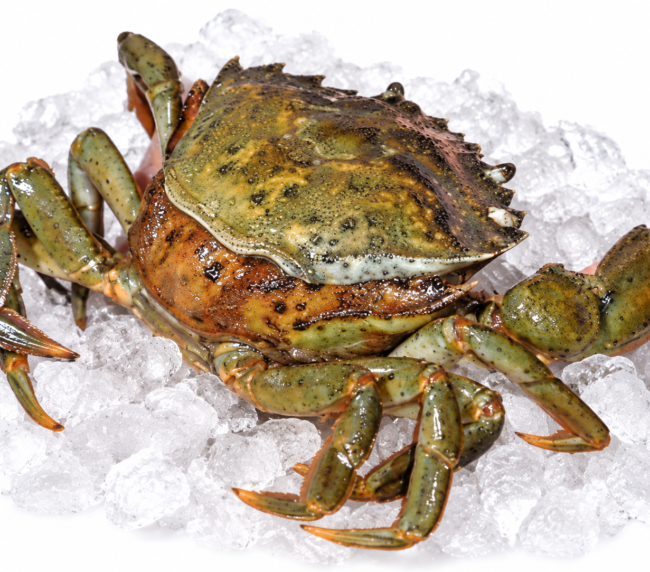
Unlike smoothhounds, which mainly feed on crabs, tope are fish-eating predators. Therefore, fresh or good-quality frozen fish baits are usually the best choice.
At Squids In! SEA BAITS, we supply quality fresh and frozen sea fishing bait. We’re based in Goxhill near the River Humber. In addition, we supply anglers throughout the UK.
In this guide, we’ll cover the best baits for tope, suitable rigs, shore and boat fishing techniques, seasonal advice and the British shore-caught record. We’ll also look at the chances of catching tope around the Humber.
What Is the Best Bait for Tope?
The best bait for tope is usually a whole small fish, a fish flapper or a large fish strip.
Mackerel is a popular choice because its oily flesh releases scent. However, whiting, pouting and flatfish can be particularly effective because tope naturally hunt these species near the seabed.
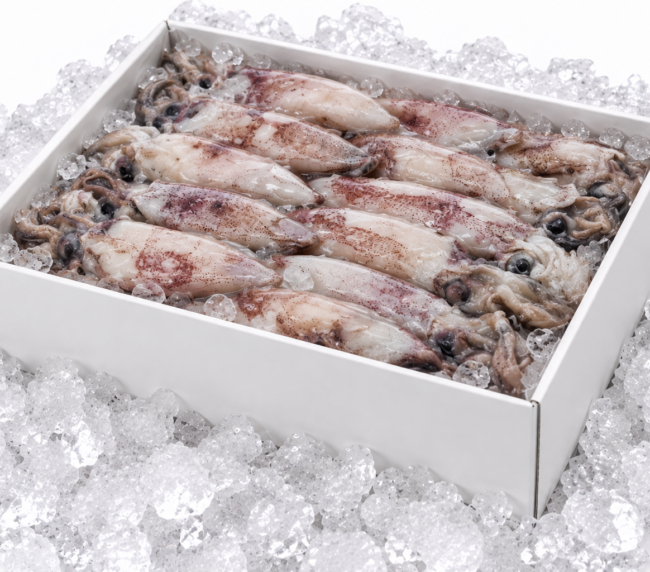
Bluey and herring are also useful. Meanwhile, squid can be used alone or combined with fish.
Best Tope Fishing Baits at a Glance
| Bait | Best Used For |
|---|---|
| Mackerel | Whole fish, flappers and oily bait strips |
| Whiting | Natural seabed prey and whole-fish baits |
| Pouting | Whole fish and flapper presentations |
| Dab | Flatfish baits on sandy ground |
| Bluey | Oily strips and bait cocktails |
| Herring | Whole fish and oily bait sections |
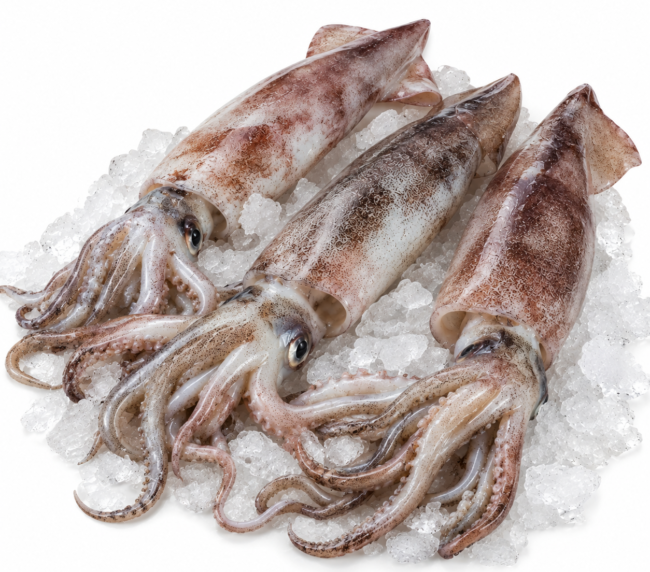
| Squid | Durable bait cocktails and alternative presentations |
| Sandeel | Smaller tope and sandy fishing grounds |
| Small fish sections | Matching the natural food found at the mark |
Although mackerel is widely used, it isn’t always the most effective bait. Therefore, matching the local prey can make a difference.
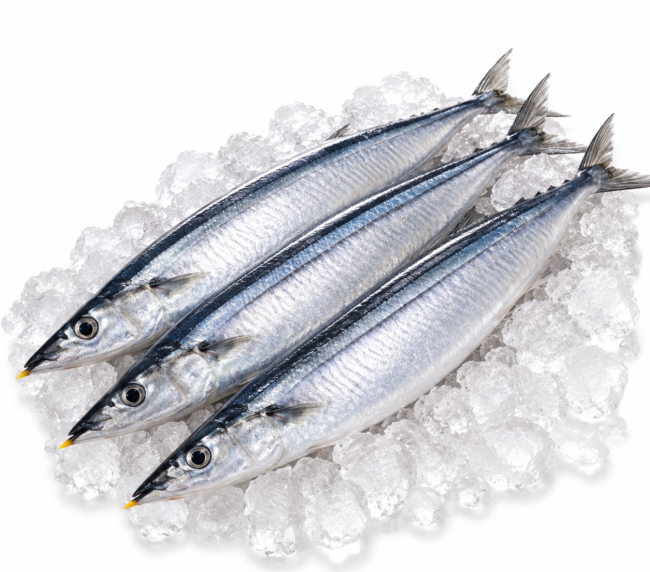
1. Mackerel – One of the Best Baits for Tope
Mackerel is one of the most popular baits for tope fishing.
Its oily flesh releases scent into the water. As a result, it can attract sharks moving along tidal channels and sandy seabeds.
You can use mackerel whole, as a flapper or in large sections.
Why Mackerel Works for Tope
- Releases natural fish oils.
- Suitable for shore and boat fishing.
- Can be used whole or in sections.
- Useful in strong tidal flows.
- Combines well with squid.
- Can attract other predatory fish.
A whole small mackerel is a traditional bait for larger tope. However, a smaller flapper or fillet may be easier to cast.
Top tip: Keep the skin attached when preparing mackerel strips. Then secure the bait with elastic if needed.
Shop: Browse Frozen Sea Fishing Baits
2. Whiting – A Natural Tope Fishing Bait
Whiting is an excellent bait for tope.
These fish live close to the seabed and are natural prey for larger sharks. Therefore, a small whiting can be particularly effective where tope are feeding on bottom-dwelling fish.
Whiting can be used whole or prepared as a flapper.
Why Whiting Works for Tope
- Natural prey for tope.
- Suitable for sandy seabeds.
- Useful for whole-fish presentations.
- Can be prepared as a flapper.
- Works well in tidal channels.
- Offers an alternative to mackerel.
A small whiting flapper exposes flesh while keeping the bait’s natural shape.
Top tip: Where permitted, use a legally caught, appropriately sized whiting. Always check current species and retention rules.
3. Pouting – An Excellent Whole-Fish Bait for Tope
Pouting is another natural food source for tope.
These fish are common around mixed and rough ground. As a result, tope may hunt them near the seabed.
Pouting can be used whole or prepared as a flapper.
Why Pouting Works for Tope
- Natural seabed prey.
- Suitable for whole-fish baits.
- Useful around mixed ground.
- Can be prepared as a flapper.
- Works well with strong bottom rigs.
- May outperform oily baits at some marks.
Although mackerel is more widely used, pouting can be a better match for the food available locally.
Top tip: Try a pouting flapper when fishing close to areas where small pouting are common.
4. Dab – A Natural Flatfish Bait for Tope
Dab is another useful bait for tope.
Tope feed on flatfish and other bottom-dwelling fish. Therefore, a small dab or suitable section can attract feeding sharks.
Dab is particularly relevant on sandy seabeds.
Why Dab Works for Tope
- Natural prey for larger sharks.
- Useful on sandy ground.
- Suitable for bottom-fishing rigs.
- Can be used as a fish section.
- Matches food found near the seabed.
However, always check the rules before retaining any fish for bait.
Top tip: A prepared flatfish section can be effective when tope are hunting over clean sand.
5. Bluey – An Oily Bait for Tope
Bluey is a popular alternative to mackerel.
Its oily flesh releases scent into the water. Therefore, it can be useful when fishing in deeper water or strong tides.
Bluey can be cut into strips or combined with squid.
Why Bluey Works for Tope
- Releases natural fish oils.
- Suitable for larger bait sections.
- Useful in strong tides.
- Can be combined with squid.
- Easy to prepare before fishing.
- Suitable for mixed-species sessions.
However, thawed bluey can be soft. For this reason, bait elastic may help keep it secure.
Top tip: Use a firm strip with the skin attached. Then secure it carefully before casting.
6. Herring – Another Oily Fish Bait for Tope
Herring is another excellent bait worth trying.
Like mackerel, herring releases natural fish oils. As a result, it can attract tope searching for food.
Whole small herring and larger fish sections are both useful.
Why Herring Works for Tope
- Natural fish bait.
- Releases scent into the water.
- Suitable for boat fishing.
- Can be used whole or in sections.
- Combines well with squid.
- Offers an alternative to mackerel.
However, herring flesh can be delicate.
Top tip: Use bait elastic to keep larger herring sections secure. Then check that the hook point remains exposed.
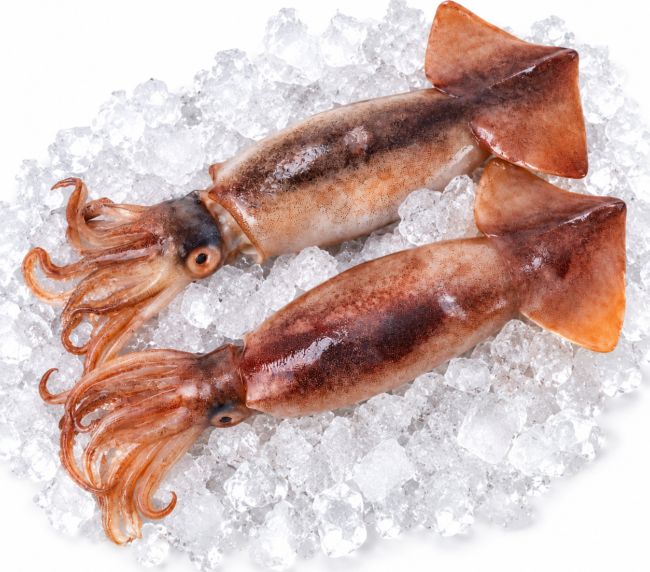
7. Squid – A Tough Alternative Bait for Tope
Squid can also catch tope.
Because squid has tough flesh, it stays securely on the hook. In addition, it can be combined with fish baits to create a durable presentation.
Although tope mainly feed on fish, squid is worth carrying as a backup bait.
Why Squid Works for Tope
- Tough flesh stays on the hook.
- Useful in strong tides.
- Suitable for bait cocktails.
- Can be cut into large strips.
- Combines well with mackerel.
- Useful for mixed-species fishing.
However, squid is generally a secondary choice when targeting tope.
Top tip: Add a strip of squid to a mackerel bait. This can help create a durable presentation for casting.
Shop: Unwashed Illex Squid
8. Sandeel – A Useful Bait for Smaller Tope
Sandeel can also catch tope.
These fish live around sandy seabeds and are eaten by many predatory species. Therefore, they can be useful where smaller tope are feeding.
Sandeel has a slim shape, making it suitable for clipped-down shore rigs.
Why Sandeel Works for Tope
- Natural fish bait.
- Useful over sandy ground.
- Suitable for smaller presentations.
- Easy to secure for casting.
- Can attract other predatory fish.
- Offers an alternative to larger fish baits.
However, whole mackerel, whiting or pouting may be better for larger tope.
Top tip: Try a whole sandeel on a strong single-hook rig when targeting smaller fish.
Best Bait Cocktail for Tope
A mackerel and squid cocktail is a useful combination for tope fishing.
The mackerel releases natural oils. Meanwhile, the squid provides a tough outer layer that can help hold the bait together.
How to Make a Mackerel and Squid Cocktail
- Choose a strong hook suited to the bait.
- Cut a suitable section of mackerel.
- Leave the skin attached.
- Add a strip of squid alongside it.
- Secure the bait with elastic.
- Leave the hook point exposed.
- Check that the bait cannot cover the hook during casting.
The finished bait should be secure and properly matched to your rig.
Top tip: Use the smallest bait that suits the fish you’re targeting. Extremely large baits are not always necessary.
How to Prepare a Fish Flapper for Tope
A fish flapper is a popular bait for tope.
It exposes flesh while keeping much of the fish intact. As a result, it releases scent and remains attractive to feeding sharks.
Preparing a Fish Flapper
- Choose a suitable small bait fish.
- Make two careful cuts along the body.
- Leave the head and central section intact.
- Allow the side fillets to hang free.
- Position the hook securely.
- Use bait elastic if needed.
- Check that the hook point remains clear.
Always use a sharp knife safely and prepare baits on a suitable surface.
Top tip: A whiting or pouting flapper can be particularly useful when tope are feeding on bottom-dwelling fish.
Best Tope Fishing Rigs
Tope are powerful sharks with sharp teeth and rough skin.
Therefore, strong tackle, reliable connections and suitable bite protection are essential.
Unlike smoothhounds, tope can bite through ordinary monofilament hook lengths.
Wire Trace Rig
A wire trace is a popular choice for tope.
It protects the hook length against the shark’s sharp teeth. In addition, it reduces the chance of losing a fish through a bite-off.
Use purpose-made shark trace components and check every connection carefully.
Running Ledger Rig
A running ledger is widely used for tope fishing.
It allows the bait to sit close to the seabed. Therefore, it is suitable for sandy ground and tidal channels.
A strong wire bite trace and rubbing leader are important.
Pulley Rig
A pulley rig can be useful for shore fishing.
It helps present a large bait and can assist when retrieving fish over mixed ground.
However, the rig must be strong enough for a powerful shark.
Clipped-Down Single-Hook Rig
A clipped-down rig can be useful when casting a fish bait from shore.
It keeps the bait secure during the cast. As a result, it can help reach deeper water beyond the beach.
However, always use suitable shock leaders and safe casting equipment.
Boat Fishing Tope Rig
Boat anglers often use a running ledger with a wire bite trace.
A heavy rubbing leader helps protect the line from the shark’s rough skin.
In addition, a strong single hook can make releasing the fish easier.
What Size Hooks Are Best for Tope?
Many anglers use strong hooks around 4/0 to 8/0, depending on bait size and fishing method.
For example, a 5/0 or 6/0 hook is a common choice for fish baits.
Non-offset circle hooks can also be useful because they may help reduce deep hooking when used correctly.
However, hook size should always match the bait and expected fish.
Top tip: Use a suitable wire bite trace, a heavy rubbing leader and a strong single hook. Never rely on ordinary light monofilament next to a tope’s teeth.
What Tackle Do You Need for Tope Fishing?
Tope fishing requires stronger tackle than ordinary beach fishing.
These sharks can make long, powerful runs. Therefore, rods, reels and lines must be suitable for the conditions.
Shore Fishing Tackle
A strong beachcaster and a reel with plenty of line capacity are important.
In addition, use a suitable shock leader for casting heavy leads and large baits.
Boat Fishing Tackle
Boat anglers often use powerful rods and reels with smooth drags.
A reliable wire trace and heavy rubbing leader are also important.
Rod Rests and Reel Drags
Tope can take line very quickly.
Therefore, secure your rod properly and set the reel drag before fishing.
Top tip: Never leave a rod unsecured when targeting tope. A powerful fish can pull tackle into the sea.
Where Is the Best Place to Catch Tope in the UK?
Tope are found around much of the British coastline.
However, they are more common in some regions than others.
They often hunt over sand, shingle and light mixed ground, especially where tidal currents carry baitfish.
Deep-Water Beaches
Beaches with deep water close to shore can offer opportunities for tope.
Look for channels and gullies where small fish gather.
Tidal Channels
Tope often patrol areas with moving water.
Therefore, the edges of deep channels can be useful fishing grounds.
Estuary Mouths
Large estuary mouths can attract tope because they hold small fish.
However, suitable water depth is important.
Boat Fishing Grounds
Boat fishing often provides a better chance of catching tope.
Boats can reach channels, sandbanks and offshore feeding areas that are difficult to access from shore.
Well-Known UK Tope Areas
Tope are particularly associated with parts of Wales, the Irish Sea, western Scotland and the southern coastline.
However, their distribution changes with season and local conditions.
Top tip: Check recent local reports before planning a dedicated tope trip. These fish can travel long distances.
When Is the Best Time to Catch Tope in the UK?
Tope are mainly a late spring, summer and early autumn target for many UK anglers.
However, the best season varies around the coast.
Spring – March to May
Tope may begin appearing in suitable coastal areas during late spring.
As water temperatures rise, baitfish become more active. Therefore, fish baits can be effective.
Summer – June to August
Summer is one of the most popular times for tope fishing.
Fish may move closer to shore to feed. In addition, boat anglers can find tope around deeper channels.
Mackerel, whiting, pouting and herring are excellent bait choices.
Autumn – September to November
Early autumn can also provide good tope fishing.
However, fish movements vary with water temperature and food availability.
Therefore, recent catch reports are particularly useful.
Winter – December to February
Winter is generally quieter for shore-caught tope in many areas.
However, fish may still be present in deeper water.
Is Night Fishing Best for Tope?
Tope can feed during both daylight and darkness.
However, dawn, dusk and night sessions can be productive at suitable marks.
These sharks follow fish rather than relying on one particular time of day.
Therefore, the presence of baitfish and suitable tides is often more important than darkness alone.
Tope Fishing Tips
- Choose a mark with suitable water depth.
- Check the tide and weather.
- Use a fresh or good-quality frozen fish bait.
- Keep spare wire traces ready.
- Secure your rod properly.
- Use a smooth reel drag.
- Prepare safe unhooking equipment.
- Return every tope promptly.
Top tip: Look for signs of baitfish activity. Tope may be hunting nearby.
Best Tide for Tope Fishing
Tides play an important role in tope fishing.
Moving water can carry bait scent and concentrate small fish. Therefore, tidal channels are often productive.
However, very strong tides can make fishing difficult.
Rising Tide
A rising tide can bring tope closer to shore at suitable marks.
In addition, fish may move into deeper gullies.
High Water
High water can provide access to deeper water from some beaches.
However, the best fishing may happen before or after the top of the tide.
Falling Tide
Tope can also feed during the falling tide.
Therefore, fishing channel edges can be worthwhile.
Top tip: Match your fishing time to the mark rather than following a fixed rule. Local catch reports are the best guide.
How to Tell Tope From Smoothhound
Tope and smoothhounds are both sharks found in UK waters.
However, they have different feeding habits and body features.
Tope
- Long, pointed snout.
- Sharp, cutting teeth.
- Slim, streamlined body.
- Small second dorsal fin.
- Strongly notched tail.
- Feed mainly on fish.
Smoothhound
- Shorter, broader snout.
- Flat teeth for crushing crabs.
- Larger second dorsal fin.
- Often feed on crustaceans.
- May have small white spots.
Because both species can be caught from UK beaches, correct identification is important.
For more information, visit the British Sea Fishing Tope Guide.
UK Shore-Caught Tope Record – How Big Can They Grow?
The official British shore-caught tope record is 86 lb 13 oz (39.400 kg).
Angler Gareth Griffiths caught this impressive shark on 12 May 2025 at Stackpole Quay, Pembrokeshire, Wales.
The British Record Fish Committee ratified the catch, which replaced the previous shore record.
The record shows how large tope can grow.
However, many tope caught by UK anglers are considerably smaller.
Even so, a tope weighing over 30 lb is an exciting catch.
Tope are powerful sharks that feed mainly on fish. Therefore, mackerel, whiting, pouting and other natural fish baits are excellent choices.
For the latest verified records, visit the British Record Fish Committee.
Can You Catch Tope in the River Humber?
Tope occur in the North Sea and wider coastal waters, but they are not a regular target for shore anglers in the inner River Humber Estuary.
These sharks prefer suitable water depth and areas where baitfish are present.
Therefore, deeper offshore grounds are generally more promising than shallow inner-estuary marks.
Tope Fishing Around the Humber and North Sea
The Humber connects directly with the North Sea.
As a result, tope may occur in the wider coastal region.
However, this does not mean they are commonly caught from the banks of the estuary.
For anglers hoping to target tope, specialist boat trips and deeper coastal marks are usually more realistic options.
Can You Catch Tope at Cleethorpes?
Cleethorpes provides access to the outer Humber and nearby coastal waters.
However, tope are not a reliable shore target here.
Smoothhound, bass, flatfish and seasonal whiting are generally more realistic species to target.
Therefore, anglers hoping to catch tope should check recent reports before planning a dedicated session.
Read our Cleethorpes Sea Fishing Guide.
What About Buck Beck Beach?
Buck Beck Beach provides access to sandy coastal ground near Humberston.
However, there is no established pattern of regular shore-caught tope at this mark.
The beach is better known for other seasonal sea fish.
For this reason, anglers specifically targeting tope should consider deeper water elsewhere.
Read our Buck Beck Beach Fishing Guide.
Can You Catch Tope at Stallingborough Wall?
Stallingborough Wall provides access to the Humber’s tidal channels.
However, tope are not a regular reported target here.
The mark is more suitable for established Humber species.
Therefore, do not assume that deeper tidal water automatically means tope are present.
Read our Stallingborough Wall Fishing Guide.
Can You Catch Tope at Goxhill?
Tope are not a regular target species at Goxhill.
The inner Humber has extensive mudflats and strong tidal currents.
Although tope can enter some large estuaries, there is no reliable basis for describing Goxhill as a tope fishing mark.
Flounder, whiting, bass and seasonal codling are more realistic targets.
Read our Goxhill Sea Fishing Guide.
What About East Halton Skitter?
East Halton Skitter is another popular Humber fishing mark.
However, tope are not a regular reported catch.
For this reason, anglers are better targeting established local species.
Read our East Halton Fishing Guide.
Can You Catch Tope From a Boat Off the Humber?
Boat fishing provides access to deeper North Sea grounds.
Therefore, it may offer a better chance of encountering tope than fishing from the inner-estuary shore.
However, tope are not guaranteed, and not every offshore mark holds them.
Check recent reports from experienced local charter skippers before booking a tope-specific trip.
Best Time to Target Tope Near the Humber
June to September is a sensible period to investigate potential tope opportunities in the wider region.
However, this is general UK seasonal guidance rather than a confirmed peak season for Humber shore catches.
For this reason, local reports are essential.
Best Bait for Tope Fishing Near the Humber
The most useful baits to consider include:
- Mackerel: A popular oily fish bait.
- Whiting: Natural seabed prey.
- Pouting: Useful as a whole fish or flapper.
- Bluey: An oily alternative.
- Herring: Suitable for whole fish and strips.
- Squid: Useful for bait cocktails.
- Sandeel: An alternative for smaller presentations.
For a dedicated tope trip, fish baits should be your first choice.
At Squids In! SEA BAITS, we’re based in Goxhill near the River Humber. We supply quality bait for local anglers and customers throughout the UK.
Explore our River Humber Fishing Marks and River Humber Fish Species Guide for more local advice.
Fresh vs Frozen Bait for Tope Fishing
Both fresh and frozen fish baits can catch tope.
However, bait quality and preparation are important.
Advantages of Fresh Bait
- Natural scent.
- Firm flesh when handled correctly.
- Suitable for whole-fish baits.
- Useful for preparing flappers.
- Popular for boat fishing.
Advantages of Frozen Bait
- Easy to store.
- Convenient for planned trips.
- Available in several fish species.
- Useful for keeping spare baits ready.
- Can be prepared before fishing.
Good-quality frozen mackerel, bluey and squid can all be useful.
However, avoid repeatedly thawing and refreezing bait.
At Squids In! SEA BAITS, we supply frozen sea fishing baits for anglers targeting predatory fish and other UK species.
Browse Our Frozen Sea Fishing Baits
Frequently Asked Questions About Tope Fishing
What Is the Number One Bait for Tope?
Mackerel is one of the most popular baits for tope. However, whiting, pouting and other small fish can be equally effective or better at some marks.
Is Bluey Good Bait for Tope?
Yes. Bluey releases natural fish oils and can attract feeding sharks. In addition, it combines well with squid.
Is Squid Good Bait for Tope?
Yes. Squid can catch tope, especially when combined with fish. However, whole fish and fish sections are usually more reliable.
Is Whiting Good Bait for Tope?
Yes. Whiting is a natural prey species for tope. Therefore, a whole small whiting or whiting flapper can be an excellent choice.
What Is the Best Bait Cocktail for Tope?
Mackerel and squid is a useful combination. The mackerel releases scent, while the squid helps create a durable bait.
What Size Hooks Are Best for Tope?
Many anglers use strong hooks around 4/0 to 8/0. However, the best size depends on the bait and fishing method.
Do You Need a Wire Trace for Tope?
A wire bite trace is strongly recommended. Tope have sharp teeth that can cut through ordinary monofilament.
What Is the Best Rig for Tope?
A running ledger with a suitable wire trace is a popular choice. In addition, strong clipped-down rigs can be useful from shore.
Is Boat Fishing Better for Tope?
Often, yes. Boat fishing provides access to deeper channels and feeding grounds where tope are more likely to be found.
Can You Catch Tope in the River Humber?
Tope are not a regular target in the inner Humber. However, they may occur in the wider North Sea region, where suitable offshore grounds offer better opportunities.
What Is the UK Shore-Caught Tope Record?
The British shore-caught record is 86 lb 13 oz (39.400 kg). Gareth Griffiths caught the fish at Stackpole Quay, Pembrokeshire, in May 2025.
Can You Keep a Tope in the UK?
Tope are protected and should be returned alive. In England, recreational anglers must not retain rod-caught tope. Always check current rules for the waters you’re fishing.
Responsible Tope Fishing in the UK
Tope are a protected shark species and must be handled with particular care.
They grow slowly and take time to reach breeding age. Therefore, responsible catch-and-release fishing is essential.
Use strong tackle that allows you to land fish without an unnecessarily prolonged fight.
In addition, use suitable hooks and wire traces to reduce bite-offs.
How to Handle Tope Safely
- Keep the fish in the water whenever possible.
- Support its body horizontally.
- Never lift a large tope by the tail alone.
- Avoid touching the gills.
- Keep hands away from the sharp teeth.
- Use long-handled unhooking tools.
- Minimise time out of the water.
- Release the fish as soon as it has recovered.
If a hook cannot be removed safely, cutting the trace close to the hook may be preferable to causing serious injury.
Tope can be powerful and difficult to handle. Therefore, inexperienced anglers should seek guidance from a qualified or experienced skipper.
Always check current fisheries rules for your area.
For more information, visit the Angling Trust and the British Sea Fishing Tope Guide.
Buy Quality Tope Fishing Bait Online at Squids In! SEA BAITS
Whether you’re fishing a deep-water shore mark, tidal channel or offshore boat mark, choosing the right bait gives you more options.
At Squids In! SEA BAITS, we supply quality natural sea fishing baits, including squid and frozen fish baits.
We’re based in Goxhill near the River Humber. In addition, we supply anglers throughout the UK.
Get your bait ready for your next tope fishing session.
Browse Frozen Sea Fishing Baits
Explore River Humber Fishing Marks
Squids In! SEA BAITS – Quality Bait for Every Session.