


Whiting
Showing 1–12 of 20 results
-
From £6.00This product has multiple variants. The options may be chosen on the product page
-
 From £7.50This product has multiple variants. The options may be chosen on the product page
-
 From £6.00This product has multiple variants. The options may be chosen on the product page
-
Best Bait for Whiting – UK Fishing Baits, Rigs & Expert Tips
Looking for the best bait for whiting fishing in the UK? Squid, blow lugworm, ragworm, black lugworm and mackerel are among the most reliable choices. However, mussels, prawns and small fish strips can also catch whiting.
Whiting (Merlangius merlangus) are common saltwater fish found around much of the British coastline. They belong to the cod family and have slim bodies, three dorsal fins and small, sharp teeth.
These fish are especially popular with shore anglers during autumn and winter. As water temperatures fall, whiting often move into coastal waters and estuaries to feed.
At Squids In! SEA BAITS, we supply quality fresh and frozen sea fishing bait. We’re based in Goxhill near the River Humber, where whiting are a regular winter catch. In addition, we supply anglers throughout the UK.
In this guide, we’ll cover the best baits for whiting, suitable rigs, seasonal fishing tips and the British shore-caught record. We’ll also look at the best ways to target whiting around the Humber.
What Is the Best Bait for Whiting?
The best bait for whiting is often squid, blow lugworm or ragworm.
Whiting are active predators and scavengers. Therefore, they feed on worms, small fish, prawns and other creatures found near the seabed.
Squid is particularly useful because its tough flesh stays on the hook. Meanwhile, lugworm and ragworm release natural scent into the water.
Mackerel is another excellent choice, especially when whiting are feeding on small fish.
Best Whiting Fishing Baits at a Glance
| Bait | Best Used For |
|---|---|
| Squid | All-round whiting fishing, strong tides and bait cocktails |
| Blow lugworm | Sandy beaches, estuaries and River Humber fishing |
| Ragworm | Shallow water, sandy ground and winter shore fishing |
| Black lugworm | Scent-rich baits and mixed whiting and cod sessions |
| Mackerel | Oily fish strips and larger whiting |
| Bluey | Oily fish baits and mixed-species sessions |
| Mussels | Small scented baits and winter fishing |
| Prawns | Small crustacean baits and sheltered marks |
| Peeler crab | Mixed-species sessions and occasional whiting |
| Sandeel | Fish baits for larger whiting |
Although several baits can work, squid and worms are excellent starting choices. Therefore, carrying both gives you useful options throughout a session.
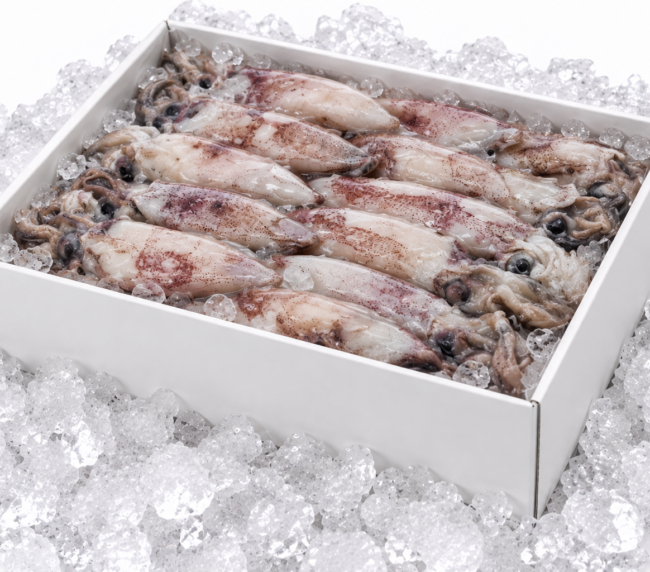
1. Squid – One of the Best Baits for Whiting
Squid is one of the most popular baits for whiting fishing.
Because squid has tough flesh, it stays securely on the hook. In addition, thin strips move naturally in the tide.
Whiting are attracted to movement and scent. Therefore, squid can be particularly effective when fish are feeding actively.
Why Squid Works for Whiting
- Tough flesh stays on the hook.
- Useful in strong tidal flows.
- Easy to cut into small strips.
- Suitable for night fishing.
- Combines well with worms.
- Can attract codling and other species.
- Works well on two-hook and three-hook flapper rigs.
You can use squid on its own or as part of a bait cocktail.
However, large squid baits are rarely needed for ordinary whiting fishing.
Top tip: Cut a narrow strip of squid and hook it once through the thicker end. Leave the rest free to move in the tide.
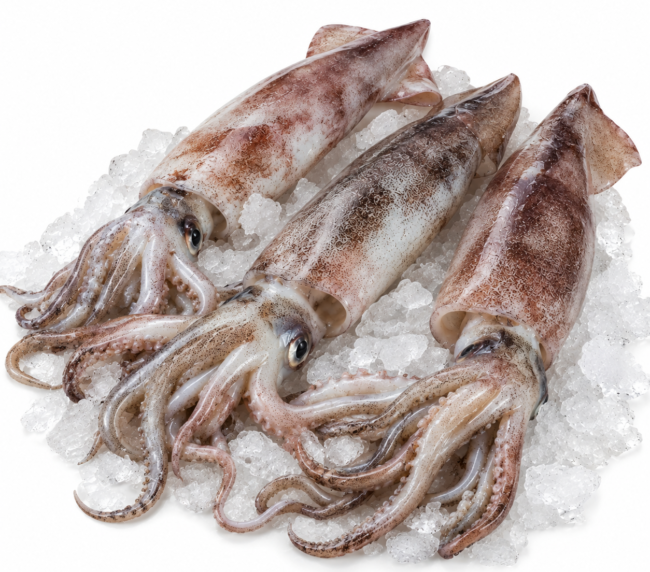
Shop: Unwashed Illex Squid
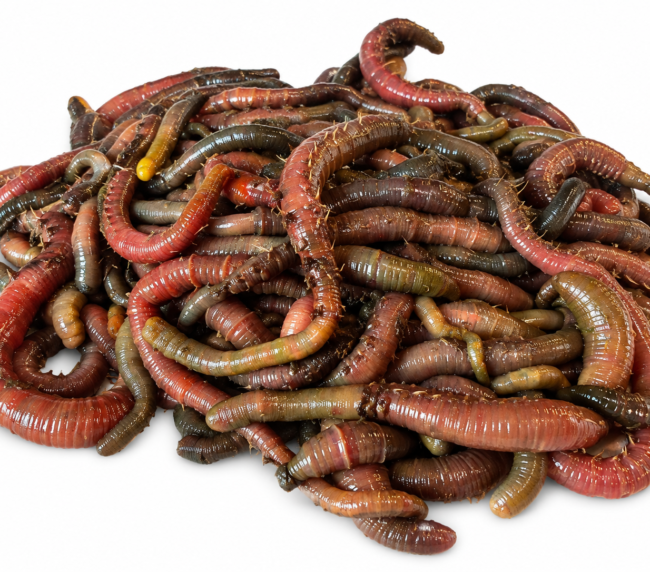
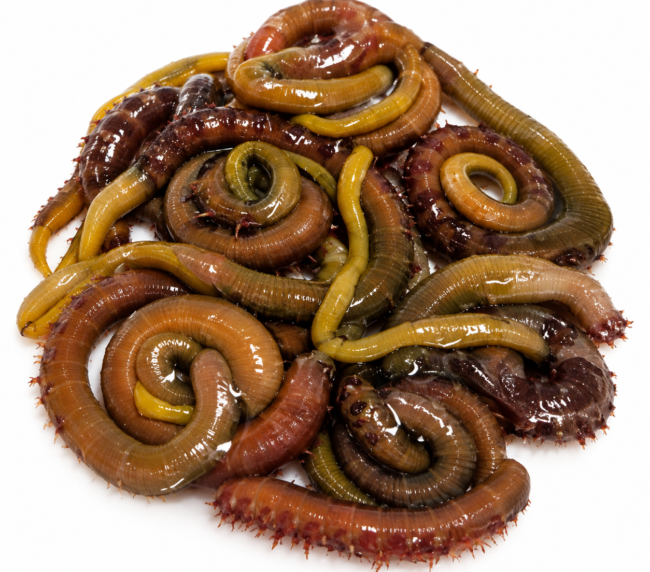
2. Blow Lugworm – A Top Whiting Fishing Bait
Blow lugworm is another excellent bait for whiting.
These worms live in sandy and muddy seabeds. As a result, they are a natural food source for fish feeding close to the bottom.
Blow lugworm releases scent into the water. Therefore, it can attract whiting searching for food during the colder months.
Why Blow Lugworm Works for Whiting
- Natural food source.
- Releases scent into the water.
- Excellent for sandy and muddy ground.
- Useful around estuaries.
- Suitable for small and medium hooks.
- Combines well with squid.
- Popular for River Humber fishing.
Blow lugworm can be used whole or in sections.
However, a neat bait is often better than a large bunch of worms.
Top tip: Thread a blow lugworm onto a size 1 or 1/0 hook. Then add a small squid strip for extra movement.
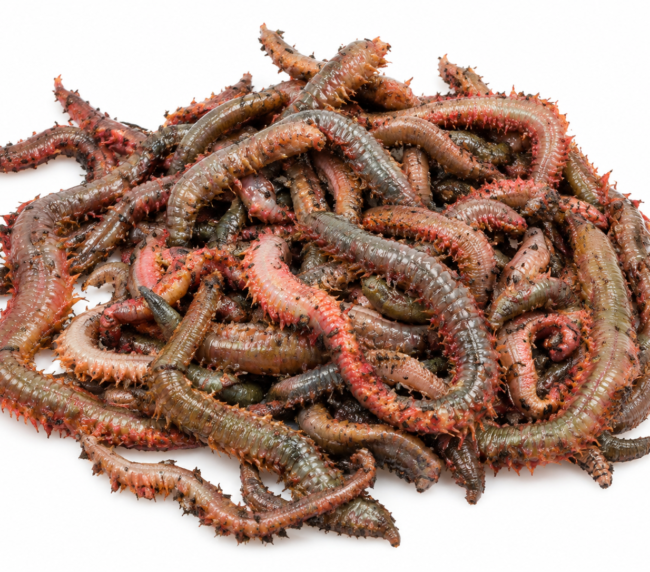
3. Ragworm – A Reliable Bait for Whiting
Ragworm is widely used for UK shore fishing.
Its natural movement can attract whiting searching for food. In addition, ragworm works well over sandy and mixed ground.
Whiting have relatively large mouths for their size. Therefore, they can take whole ragworm or smaller sections.
Why Ragworm Works for Whiting
- Natural food source.
- Movement attracts feeding fish.
- Suitable for beaches and estuaries.
- Useful during autumn and winter.
- Works well on flapper rigs.
- Can be combined with squid.
- Attracts other species during mixed fishing sessions.
Ragworm is especially useful when fishing in relatively shallow water.
Top tip: Leave a short section of worm free to move. However, keep the bait compact enough to expose the hook point.
4. Black Lugworm – An Excellent Winter Whiting Bait
Black lugworm is another reliable bait for whiting.
Although many anglers use it for cod, black lugworm can also catch whiting in good numbers.
Its scent makes it useful on beaches and estuary marks. In addition, it combines well with squid.
Why Black Lugworm Works for Whiting
- Releases natural scent.
- Excellent for winter fishing.
- Suitable for sandy ground.
- Can be used fresh or frozen.
- Useful for mixed whiting and cod sessions.
- Combines well with squid and fish strips.
You don’t need a large black lugworm bait for whiting.
Instead, smaller sections can be easier for fish to take.
Top tip: Use a short section of black lugworm tipped with squid. This creates a useful bait for both whiting and codling.
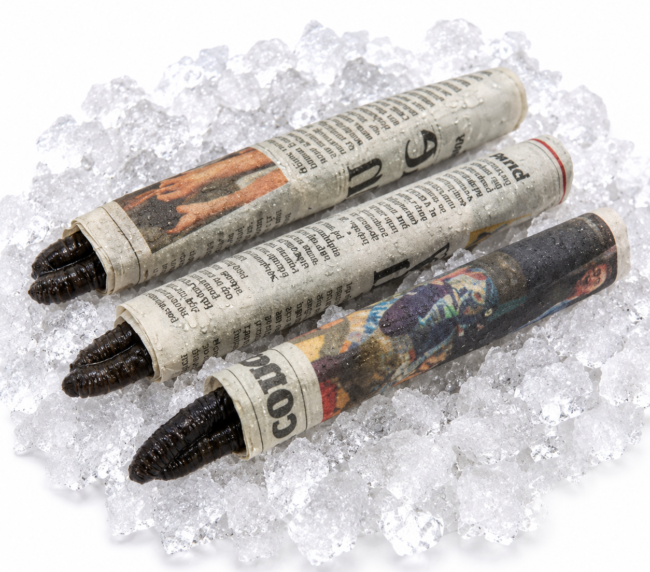
Shop: Black Lugworm Wraps
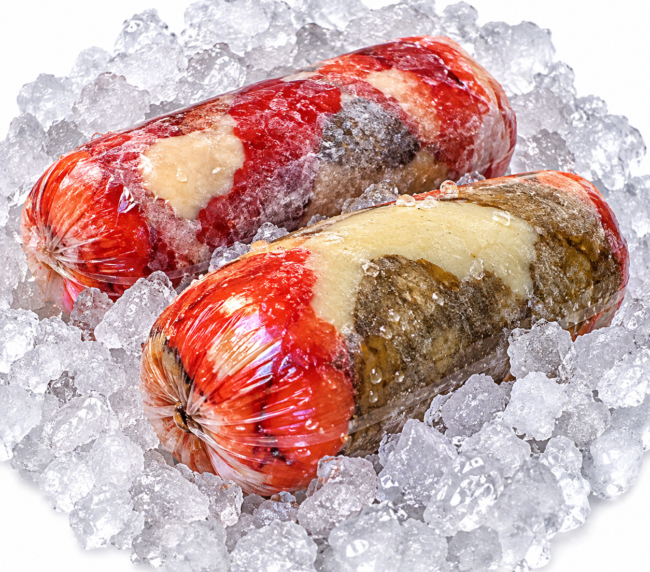
5. Mackerel – A Popular Fish Bait for Whiting
Mackerel is another excellent choice for whiting fishing.
Its oily flesh releases scent into the water. As a result, it can attract fish feeding along the seabed.
Whiting are predators that eat small fish. Therefore, mackerel strips can be particularly useful when targeting larger specimens.
Why Mackerel Works for Whiting
- Releases natural fish oils.
- Easy to cut into strips.
- Useful for night fishing.
- Suitable for sandy beaches.
- Can attract larger whiting.
- Combines well with squid.
- Useful during mixed-species sessions.
However, large mackerel baits are unnecessary.
Top tip: Cut a thin strip with the skin attached. Then hook it once through the skin to help keep it secure.
6. Bluey – An Oily Alternative Bait for Whiting
Bluey can also catch whiting.
Like mackerel, bluey has oily flesh that releases scent. Therefore, it can attract fish searching for food in coloured water.
Bluey is particularly useful when fishing for several species.
Why Bluey Works for Whiting
- Releases natural fish oils.
- Suitable for small bait strips.
- Useful in deeper water.
- Combines well with squid.
- Can attract other predatory fish.
- Offers an alternative to mackerel.
However, bluey can become soft after thawing.
For this reason, keep the bait cool and cut it into neat strips.
Top tip: Try a small bluey strip on one hook and squid on another. This helps you discover which bait the fish prefer.
7. Mussels – A Natural Shellfish Bait for Whiting
Mussels are another useful bait for whiting.
Their soft flesh releases scent into the water. As a result, they can attract fish feeding over sand and mixed ground.
However, mussels are softer than squid and may need bait elastic.
Why Mussels Work for Whiting
- Release natural scent.
- Useful for small bait presentations.
- Suitable for winter fishing.
- Can be combined with lugworm.
- Offer an alternative to fish baits.
- May attract other bottom-feeding species.
Top tip: Wrap a small piece of mussel around a worm bait. Then secure it gently with bait elastic.
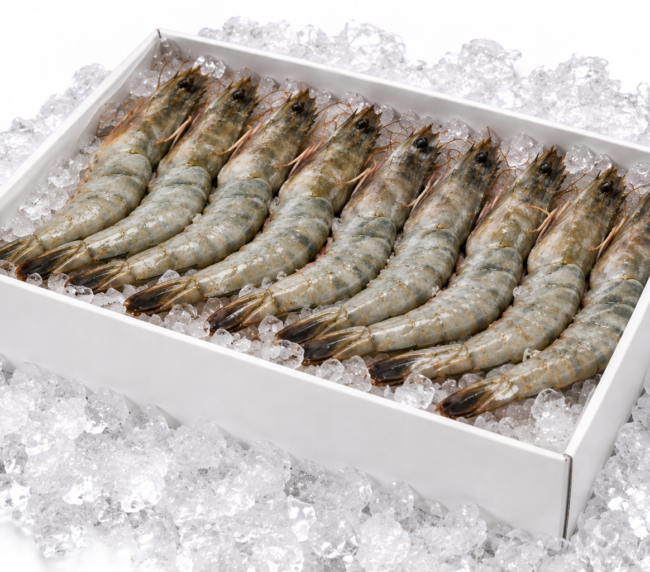
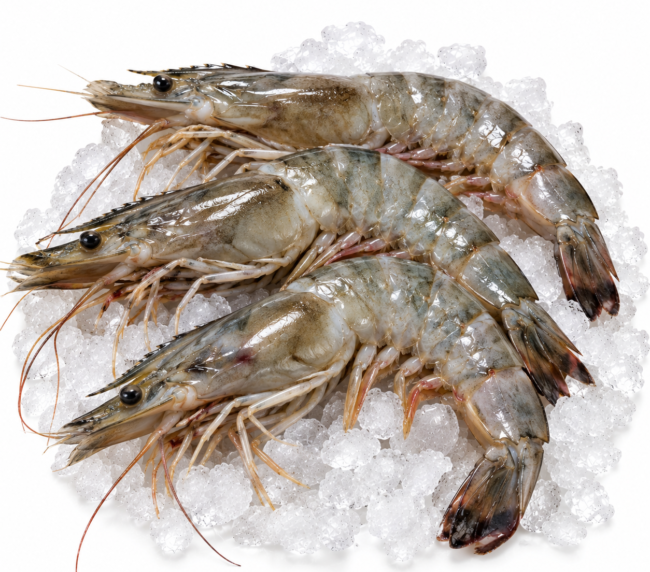
8. Prawns – An Alternative Whiting Fishing Bait
Prawns can also catch whiting.
These fish feed on small crustaceans and other seabed creatures. Therefore, prawns provide another natural bait option.
Small pieces of prawn can be particularly useful on fine-wire hooks.
Why Prawns Work for Whiting
- Natural crustacean bait.
- Suitable for small hooks.
- Easy to prepare.
- Useful on sandy ground.
- Can be combined with squid.
- Offer another option during mixed-species sessions.
Use plain, uncooked prawns without seasoning.
Top tip: Cut a prawn into small sections. Then keep the hook point clear.
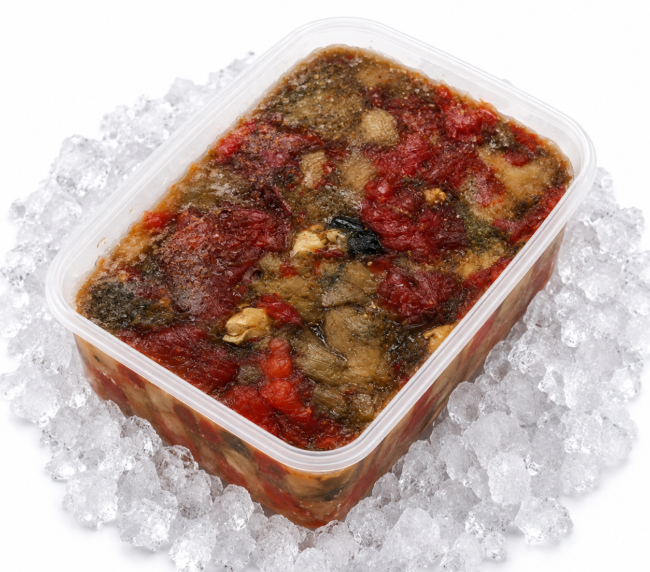
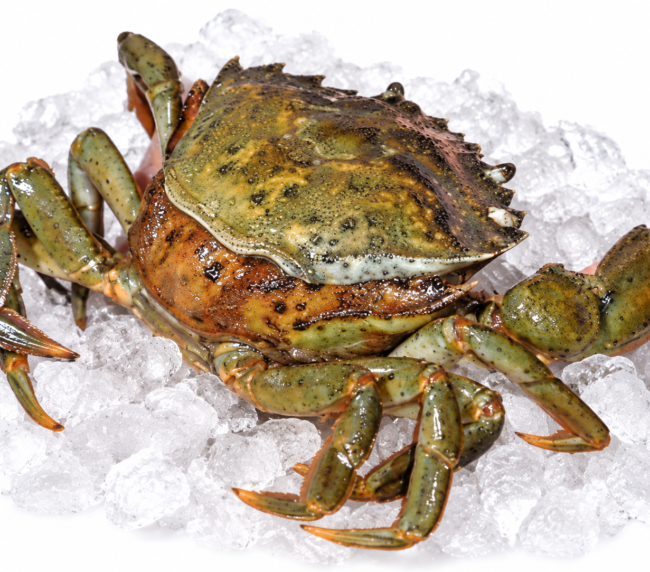
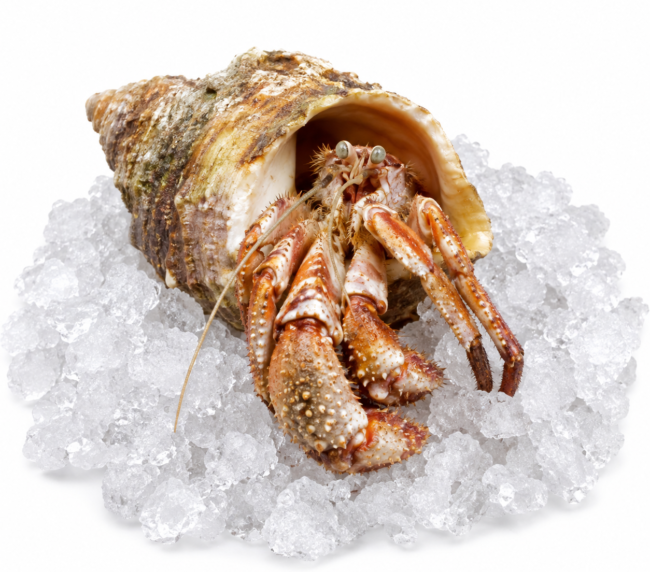
9. Peeler Crab – A Useful Alternative for Whiting
Peeler crab is not usually the first choice for whiting.
However, whiting are opportunistic feeders and may take small crab baits.
Peeler crab can be useful when targeting several species during the same session.
Why Peeler Crab Can Work for Whiting
- Natural crustacean bait.
- Releases scent into the water.
- Suitable for mixed-species fishing.
- Can be cut into small sections.
- Useful around sandy and mixed ground.
- May attract codling and other fish.
However, large crab baits are generally better suited to other species.
Top tip: Use a small piece of peeler crab rather than a whole crab when targeting whiting.
Shop: Frozen Peeler Crab
10. Sandeel – A Fish Bait for Larger Whiting
Sandeel is another useful bait for whiting.
These small fish are natural prey for many predatory species. Therefore, a small sandeel or section can attract larger whiting.
Sandeel is particularly useful on sandy beaches.
Why Sandeel Works for Whiting
- Natural fish bait.
- Useful over sandy ground.
- Suitable for larger whiting.
- Can be used whole or in sections.
- Works on clipped-down rigs.
- May attract other predatory fish.
However, smaller squid and worm baits are often more practical when whiting are feeding in numbers.
Top tip: Try a small sandeel section on a single-hook rig when targeting specimen whiting.
Best Bait Cocktail for Whiting
A blow lugworm and squid cocktail is one of the most useful combinations for whiting.
The lugworm releases natural scent. Meanwhile, the squid adds movement and helps keep the bait secure.
As a result, this combination can work well on beaches and estuary marks.
How to Make a Lugworm and Squid Cocktail
- Choose a size 1 or 1/0 hook.
- Thread a blow lugworm onto the hook.
- Leave a small section of worm free.
- Cut a thin strip of squid.
- Add the squid alongside the worm.
- Secure the bait lightly if needed.
- Keep the hook point exposed.
The finished bait should be compact enough for whiting to take easily.
Top tip: On the River Humber, try squid and blow lugworm on one hook and ragworm on another. This gives you a simple bait comparison.
Best Whiting Fishing Rigs
Whiting often feed close to the seabed.
Therefore, bottom-fishing rigs are usually the best choice.
Because whiting can arrive in shoals, rigs with two or three hooks are popular.
Two-Hook Flapper Rig
A two-hook flapper rig is one of the best setups for whiting.
It allows you to fish two baits at the same time. In addition, it is easy to use from beaches, piers and sea walls.
You can try squid on one hook and lugworm on the other.
Three-Hook Flapper Rig
A three-hook flapper rig is another excellent option.
Because whiting often feed in groups, it can produce multiple fish from one cast.
However, check any local restrictions and keep the rig manageable.
Pulley Rig
A pulley rig can also catch whiting.
However, it is usually more useful when targeting cod or other larger fish at the same time.
For general whiting fishing, a flapper rig is often simpler.
Running Ledger Rig
A running ledger is a straightforward bottom-fishing rig.
It works well over clean sand and mud. Therefore, it can be useful when targeting larger whiting with a single bait.
Clipped-Down Rig
A clipped-down rig can help when extra casting distance is needed.
However, whiting often move close to shore, so long casting is not always necessary.
What Size Hooks Are Best for Whiting?
Many anglers use size 2 to 1/0 hooks for whiting.
A size 2 or size 1 hook is useful for smaller worm and squid baits.
Meanwhile, a 1/0 hook may be better when targeting larger whiting or fishing for codling at the same time.
Top tip: Match your hook size to the bait. A smaller hook with an exposed point often hooks whiting more effectively than an oversized bait.
What Tackle Do You Need for Whiting Fishing?
Whiting fishing doesn’t always require heavy tackle.
However, the right equipment depends on the mark and tidal conditions.
Beach Fishing
A standard beachcaster and suitable sea fishing reel are useful for open beaches.
In addition, use a shock leader when casting heavy leads.
Estuary Fishing
Estuary marks may have strong tidal flows.
Therefore, a grip lead can help hold the seabed.
Light Tackle Fishing
At sheltered marks, lighter tackle can make whiting fishing enjoyable.
Because whiting often give quick, repeated bites, a sensitive rod tip is useful.
Top tip: Use the lightest tackle that safely handles the tide, lead and expected fish.
Where Is the Best Place to Catch Whiting?
Whiting can be caught from sandy beaches, piers, harbours and estuaries.
They often search for food near the seabed. Therefore, areas with worms, prawns and small fish can be productive.
Sandy Beaches
Sandy beaches are excellent whiting fishing marks.
Look for gullies and deeper water. In addition, fish may feed closer to shore after dark.
Estuaries
Estuaries can provide excellent winter whiting fishing.
These areas contain worms, small fish and other natural food.
As a result, whiting may move into tidal channels during the colder months.
Piers and Sea Walls
Piers and sea walls can provide access to deeper water.
Therefore, they are popular for whiting fishing.
However, always check that fishing is permitted and that access is safe.
Harbours
Harbours can also hold whiting.
However, access restrictions and local rules vary.
Top tip: Try different casting distances. Whiting may be close to shore on one tide and farther out on another.
When Is the Best Time to Catch Whiting in the UK?
Whiting are especially popular during autumn and winter.
However, the exact season varies around the UK.
In many areas, October to March is a useful period for shore fishing.
Autumn – September to November
Autumn marks the start of the main whiting season at many coastal marks.
As water temperatures fall, fish often move closer to shore.
Squid, ragworm and lugworm are excellent starting baits.
Winter – December to February
Winter is often the best time for whiting fishing.
Fish may gather in coastal waters and estuaries. In addition, night fishing can be productive.
Squid, black lugworm and mackerel are useful choices.
Spring – March to May
Whiting can still be caught during early spring.
However, catches may become less reliable as fish move into different feeding areas.
Summer – June to August
Summer is generally quieter for shore-caught whiting in many areas.
However, fish may still be caught in deeper or cooler water.
Is Night Fishing Best for Whiting?
Evening and night fishing can be very productive for whiting.
Whiting often move into shallow water after dark.
As a result, beaches and estuary marks can produce good catches during winter evenings.
However, whiting can also be caught during daylight.
Night Fishing Tips
- Choose a safe, accessible mark.
- Check the tide before setting up.
- Use squid, ragworm or lugworm.
- Carry spare two-hook flapper rigs.
- Keep your bait cool and organised.
- Use a reliable head torch.
- Watch for repeated rod-tip knocks.
- Secure your rod properly.
Whiting can bite quickly when feeding in numbers.
Therefore, check your bait regularly.
Top tip: If bites stop, try a shorter cast or a different bait. The fish may have moved along the channel.
Best Tide for Whiting Fishing
Tides affect how whiting feed.
Moving water carries scent from bait and brings food into tidal channels. Therefore, a steady tide can be productive.
However, the best stage of the tide depends on the mark.
Rising Tide
A rising tide can bring whiting closer to shore.
In addition, it may allow fish to move into shallower feeding areas.
High Water
High water can be productive at many beaches and estuary marks.
However, the best fishing may happen just before or after the top of the tide.
Falling Tide
Whiting can also feed during the ebb.
Therefore, it is worth experimenting with different stages of the tide.
Top tip: At several River Humber marks, the flood tide is highlighted as a useful time for whiting. However, always adjust your approach to local conditions.
How to Tell Whiting From Cod and Pouting
Whiting belong to the cod family.
Therefore, they can look similar to codling and pouting.
However, several features help with identification.
Whiting
- Slim, streamlined body.
- Three dorsal fins.
- Two anal fins.
- Small, sharp teeth.
- Slightly projecting upper jaw.
- Dark spot near the base of the pectoral fin.
- Usually a very small chin barbel or none visible.
Cod
- Heavier body.
- Larger head.
- Distinct chin barbel.
- Broad mouth.
- Often have mottled colouring.
Pouting
- Deeper body than whiting.
- Prominent chin barbel.
- Often have dark vertical bands.
- Usually found around mixed or rough ground.
Because small fish can look similar, check several features before identifying your catch.
UK Shore-Caught Whiting Record – How Big Can They Grow?
The official British shore-caught whiting record is 4 lb 8 oz (2.041 kg).
Angler David Backler caught this impressive fish in 2014 at Orford Ness, Suffolk.
The record shows how large whiting can grow.
However, most whiting caught by UK shore anglers are considerably smaller.
Fish around ½ lb to 1½ lb are common in many areas. Meanwhile, a whiting over 2 lb is a very good shore catch.
Whiting feed on worms, prawns and small fish. Therefore, squid, lugworm, ragworm and mackerel are excellent bait choices.
For the latest verified records, visit the British Record Fish Committee.
Can You Catch Whiting in the River Humber?
Yes. Whiting are one of the River Humber’s regular autumn and winter sea fishing species.
They can be caught from several marks along both banks of the estuary.
As water temperatures fall, whiting move into suitable feeding areas. Therefore, October to March is a popular period for local anglers.
Unlike some species, whiting can be caught well inside the Humber rather than only near the estuary mouth.
Best Places to Catch Whiting Around the Humber
Several established local marks are worth considering.
Goxhill
Goxhill is an important local fishing mark for Squids In! SEA BAITS.
Whiting are regularly listed among the species caught here during autumn and winter.
Our Goxhill fishing guide recommends:
Best months: October to March.
Best baits: Squid, blow lugworm and ragworm.
Suggested rigs: Two-hook or three-hook flapper.
Best tide to try: Flood tide.
Because the Humber has strong currents, suitable grip leads are important.
In addition, worm and squid cocktails can be useful when targeting whiting and codling together.
Read our Goxhill Sea Fishing Guide.
East Halton Skitter
East Halton Skitter is another popular mark on the southern bank of the Humber.
Whiting are among the regular colder-month species.
Our local guide recommends:
Best months: October to March.
Best baits: Squid, blow lugworm and ragworm.
Suggested rig: Two-hook flapper.
Best tide to try: Flood tide.
The mark can provide access to tidal water, although conditions vary with the tide.
Read our East Halton Fishing Guide.
Stallingborough Wall
Stallingborough Wall is a popular winter fishing mark.
The area provides access to tidal channels and is known for whiting and codling during the colder months.
Our Stallingborough Wall guide highlights:
Best months: October to March.
Best baits: Squid, blow lugworm and ragworm.
Suggested rig: Two-hook flapper.
Best tide to try: Flood tide.
Because whiting often feed in groups, a two-hook flapper can be an effective choice.
Read our Stallingborough Wall Fishing Guide.
Cleethorpes
Cleethorpes is another established whiting fishing area.
The sandy ground and tidal channels can provide feeding opportunities during autumn and winter.
Our Cleethorpes guide recommends:
Best months: October to March.
Best baits: Squid, blow lugworm and ragworm.
Suggested rig: Two-hook flapper.
Best tide to try: Flood tide.
Evening and night sessions can be productive.
Read our Cleethorpes Sea Fishing Guide.
Suggitts Lane
Suggitts Lane is another local mark where whiting are listed among the common catches.
Our guide recommends October to March, squid, blow lugworm and ragworm.
In addition, a two-hook flapper is a useful starting rig.
However, access around the dock area can change. Therefore, always check current restrictions before visiting.
Read our Suggitts Lane Fishing Guide.
Hessle Foreshore
Hessle Foreshore provides access to the northern bank of the Humber.
Whiting can be caught in the wider estuary during the colder months.
However, the best tides and fishing distances depend on local conditions.
Squid and worm baits are useful starting choices.
For more information, browse our River Humber Fishing Marks.
Paull
Paull is another recognised Humber sea fishing area.
During autumn and winter, whiting can be among the species encountered in suitable conditions.
However, catches vary with tide, weather and water temperature.
Squid, ragworm and lugworm are worth trying.
Best Time to Catch Whiting Around the Humber
October to March is the main whiting season highlighted in our local fishing guides.
In particular, November to February can offer good winter fishing.
However, catches vary from year to year.
During late October 2026, our Humber fishing report noted that local anglers were already reporting whiting along the estuary.
Therefore, keeping an eye on current reports can help you choose when to fish.
Best Bait for Whiting Fishing in the Humber
The most useful baits include:
- Squid: Excellent for strong tides and bait cocktails.
- Blow lugworm: One of the most reliable natural baits.
- Ragworm: Useful for winter shore fishing.
- Black lugworm: Excellent for mixed whiting and cod sessions.
- Mackerel: Useful for larger whiting.
- Bluey: An oily fish bait.
- Mussels: A natural shellfish alternative.
- Prawns: Useful for smaller presentations.
For anglers fishing Goxhill, East Halton and Stallingborough Wall, squid, blow lugworm and ragworm are excellent starting choices.
At Squids In! SEA BAITS, we’re based in Goxhill near the River Humber. We supply quality bait for local anglers and customers throughout the UK.
Explore our River Humber Fishing Marks and River Humber Fish Species Guide for more local advice.
Fresh vs Frozen Bait for Whiting Fishing
Both fresh and frozen bait can catch whiting.
However, the best choice depends on the bait type and fishing conditions.
Advantages of Fresh Bait
- Natural movement from live worms.
- Useful for small bait presentations.
- Excellent for beach and estuary fishing.
- Popular during autumn and winter.
Advantages of Frozen Bait
- Easy to store.
- Convenient for future sessions.
- Available in several bait types.
- Useful for keeping spare bait ready.
- Ideal for squid and fish strips.
Good-quality frozen squid, mackerel and black lugworm can all catch whiting.
In addition, frozen baits can be useful when planning a winter session in advance.
However, keep bait cool and avoid repeated thawing and refreezing.
At Squids In! SEA BAITS, we supply fresh and frozen sea fishing bait to help anglers prepare for their trips.
Browse Our Frozen Sea Fishing Baits
Frequently Asked Questions About Whiting Fishing
What Is the Number One Bait for Whiting?
Squid, blow lugworm and ragworm are among the best baits for whiting. However, mackerel and black lugworm can also work very well.
Is Squid Good Bait for Whiting?
Yes. Squid is an excellent whiting bait because it stays securely on the hook and moves naturally in the tide.
Is Black Lugworm Good for Whiting?
Yes. Black lugworm releases natural scent and is particularly useful during winter. In addition, it combines well with squid.
Is Mackerel Good Bait for Whiting?
Yes. Small mackerel strips can attract whiting, especially larger fish feeding on small prey.
What Is the Best Bait Cocktail for Whiting?
Blow lugworm and squid is a popular combination. The worm provides scent, while the squid adds movement.
What Size Hooks Are Best for Whiting?
Many anglers use size 2 to 1/0 hooks. However, the best size depends on the bait and expected fish.
What Is the Best Rig for Whiting?
A two-hook flapper rig is an excellent choice. In addition, three-hook flappers can work well when fish are feeding in numbers.
Is Night Fishing Best for Whiting?
Night fishing can be very productive, especially during autumn and winter. However, whiting can also be caught during daylight.
What Is the Best Tide for Whiting?
Rising tides are productive at many marks. In particular, several River Humber guides recommend fishing the flood tide.
Can You Catch Whiting in the River Humber?
Yes. Whiting are regular autumn and winter catches around the Humber, including Goxhill, East Halton, Stallingborough Wall and Cleethorpes.
What Is the UK Shore-Caught Whiting Record?
The British shore-caught whiting record is 4 lb 8 oz (2.041 kg). David Backler caught the fish at Orford Ness, Suffolk, in 2014.
Can You Catch Whiting and Cod on the Same Bait?
Yes. Squid, black lugworm, blow lugworm and ragworm can catch both species. Therefore, they are excellent choices for mixed winter sessions.
Responsible Whiting Fishing in the UK
Whiting are a popular winter sea fishing species. However, responsible fishing remains important.
When returning a whiting, handle it carefully with wet hands.
In addition, remove the hook gently and return the fish as quickly as possible.
Whiting can swallow small baits deeply. Therefore, carrying a suitable disgorger is important.
Always check current minimum landing sizes and local fishing rules before keeping fish.
The Humber also has strong tides and dangerous mudflats. For this reason, stay on safe, permitted fishing areas and never risk crossing soft mud or tidal channels.
Take discarded fishing line, bait wrappers and other rubbish home.
For general sea fishing advice, visit the Angling Trust.
Buy Quality Whiting Fishing Bait Online at Squids In! SEA BAITS
Whether you’re fishing a sandy beach, estuary mouth or the River Humber, choosing the right bait gives you more options.
At Squids In! SEA BAITS, we supply quality natural sea fishing baits, including squid, black lugworm, peeler crab and frozen fish baits.
We’re based in Goxhill near the River Humber. In addition, we supply anglers throughout the UK.
Get your bait ready for your next whiting fishing session.
Browse Frozen Sea Fishing Baits
Explore River Humber Fishing Marks
Squids In! SEA BAITS – Quality Bait for Every Session.